
US, Iran Eye Next Peace Talks as Pakistani Mediators Reach Tehran
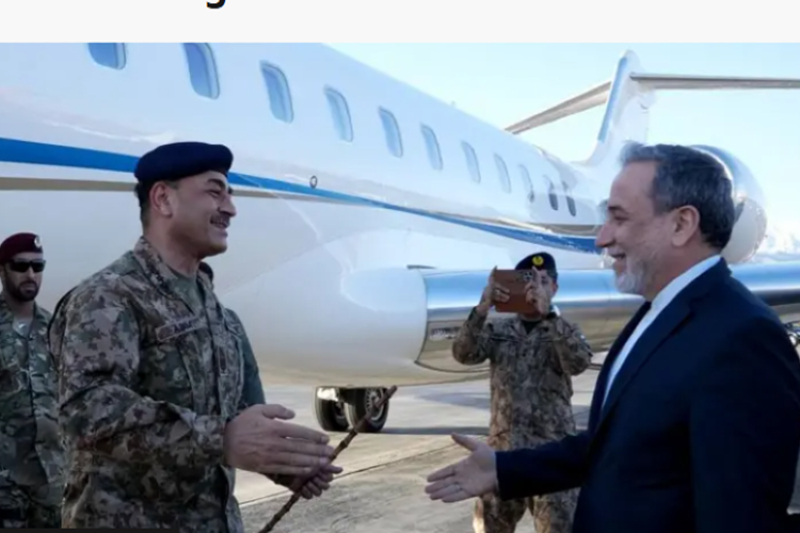
TEHRAN / WASHINGTON — High-stakes shuttle diplomacy has returned to the forefront of the Middle East crisis as a Pakistani mediation team touched down in Tehran on Wednesday. Their arrival signals a desperate push to organize a second round of peace negotiations between the United States and Iran, following a period of intense military friction and a rigid American naval blockade.
The Diplomatic Lifeline
The delegation from Islamabad, which has functioned as the primary bridge between the two nations, is working to bridge the gap left by the inconclusive "Islamabad Talks" held earlier this month. While a two-week ceasefire remains technically active, the lack of a formal schedule for future meetings has left the region in a state of "neither war nor peace."
The BBC understands that while the White House is open to resuming discussions, no official date has been confirmed. The Iranian government, via state-affiliated outlets like the Tasnim News Agency, has indicated that their willingness to sit down for a second round is contingent on the U.S. adhering to a "reasonable framework" and avoiding what Tehran describes as "excessive demands."
The Blockade and the "Maximum Pressure" Strategy
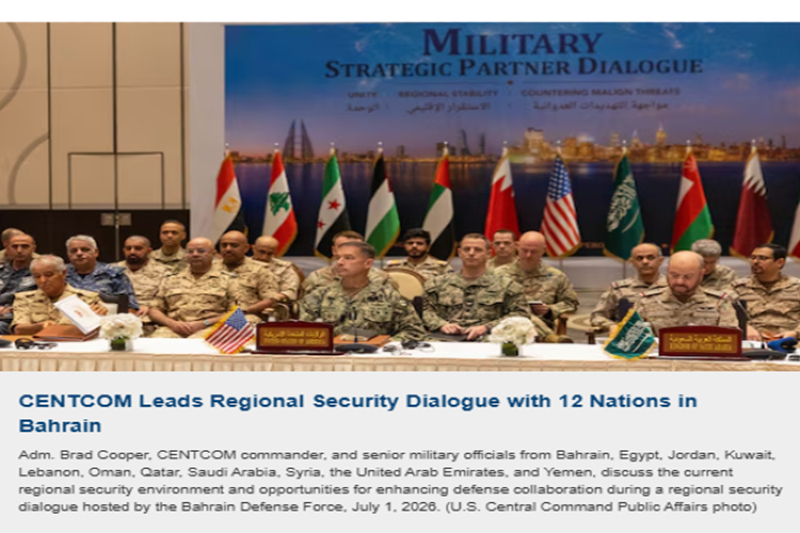
Central to the current tension is the U.S. naval blockade of Iranian ports, which entered its third day on Wednesday. U.S. Central Command (CENTCOM) reported a total maritime shutdown, stating that no commercial or military vessels have successfully breached the American perimeter. At least nine ships were intercepted and forced to divert back to the Iranian coast.
President Donald Trump has doubled down on this strategy, suggesting that the blockade serves as necessary leverage to ensure Iran remains serious about a permanent deal. In a characteristically bold statement, the President claimed that even China is "very happy" with the U.S. move to control the Strait of Hormuz, asserting that the American military is securing the waterway for the benefit of the global economy.
Iranian Threats and Regional Volatility
The pressure from the U.S. Navy has prompted a sharp response from Tehran. The Iranian military issued a stern warning on Wednesday, threatening to disrupt or entirely halt shipping traffic across the Red Sea, the Gulf of Oman, and the Persian Gulf if the blockade persists. This "eye for an eye" maritime strategy threatens to spike global oil prices and draw other international powers into the fray.
Furthermore, Iran has hinted that its diplomatic cooperation is linked to the situation in Lebanon. Sources in Tehran suggest that if the U.S. and Israel can facilitate a ceasefire with Hezbollah, it would act as a "positive sign" for Iran to move forward with the next round of peace talks.
International Dissent
The escalation has not occurred without pushback from traditional U.S. allies. In Washington, British Chancellor Rachel Reeves sparked headlines by labeling the current military trajectory a "mistake." Reeves expressed deep skepticism that the shift from diplomacy to active conflict has made the West any safer, advocating for a return to formal discussions rather than continued naval skirmishes.
Conclusion: A Fragile Window
As Pakistani mediators begin their consultations with Iranian leadership, the window for a peaceful resolution remains narrow. The world is now watching to see if this diplomatic intervention can produce a firm date for negotiations before the current ceasefire expires or before a miscalculation in the Strait of Hormuz leads to a full-scale regional war.