
Starmer’s New Bill Could Redefine UK-EU Relations
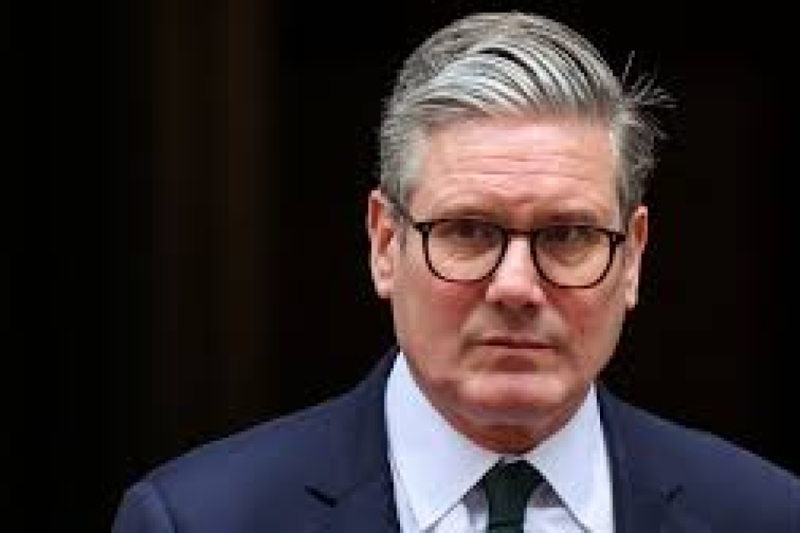
The UK government, led by Prime Minister Keir Starmer, is preparing fresh legislation that could reshape how Britain interacts with European regulations. The proposed move would allow the UK to adopt selected rules from the European Union single market framework, aiming to ease trade barriers and simplify business operations.
What the New Proposal Means
At the heart of the plan is a mechanism often referred to as “dynamic alignment.” This would enable the UK to update certain regulations—particularly in areas like food standards—without requiring a full parliamentary vote each time changes are made in Europe.
Supporters argue this approach could cut costs for businesses and reduce bureaucratic hurdles introduced after Brexit. Officials believe it may also support a potential multi-billion-pound trade boost, especially in the food and agriculture sectors.
Political Backlash and Concerns
The proposal has sparked strong reactions across the political spectrum. Critics, including allies of Nigel Farage, warn that such measures could weaken parliamentary oversight and increase reliance on decisions made in Brussels.
Others, like Conservative voices, argue that limiting debate on new regulations risks sidelining lawmakers. Meanwhile, some politicians stress the need to balance closer economic ties with maintaining democratic accountability.
A Step Toward Closer UK–EU Relations?
Although the government has ruled out rejoining the EU’s single market, this move signals a shift toward deeper cooperation. Ongoing discussions between the UK and the EU include agreements on trade, food safety, and energy—areas where regulatory alignment could play a key role.
As negotiations continue ahead of an upcoming UK–EU summit, the proposed law could become a defining moment in shaping post-Brexit relations.