
Vance departs Pakistan as Islamabad Summit Ends in Deadlock; Washington Issues “Final Offer,” Tehran Pushes Back
ISLAMABAD, April 12, 2026 — High-stakes negotiations between the United States and Iran in Pakistan’s capital concluded without a formal agreement, as both sides signaled deep divisions despite nearly a full day of intensive discussions.
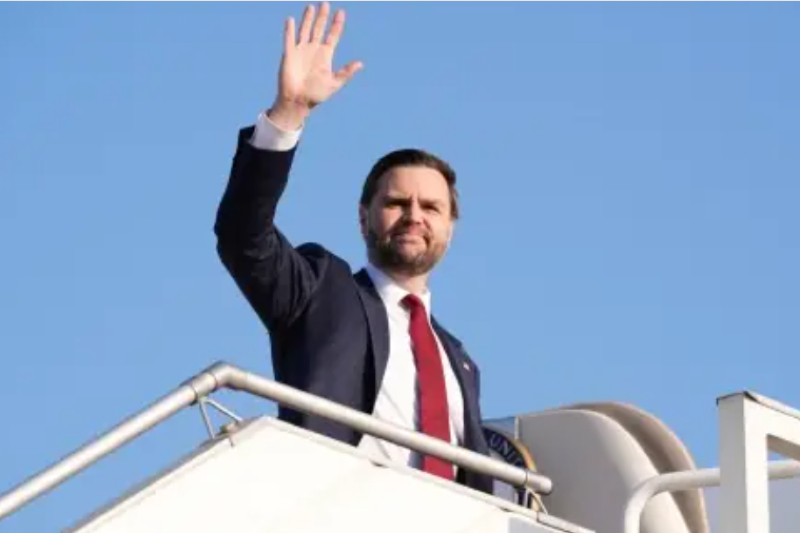
US Vice President JD Vance confirmed that Washington had presented what he described as its “final and best offer” during the 21-hour talks, but said Tehran ultimately declined to accept the terms. “We came in good faith and made our position as clear as possible,” Vance told reporters before departing Islamabad. “Unfortunately, we were unable to reach an agreement.”
However, Iranian officials offered a sharply different interpretation, suggesting that negotiations were never expected to yield an immediate breakthrough. Foreign Ministry spokesperson Esmail Baghaei said both sides had made progress on several issues but remained divided on key points. He emphasized that talks were held under conditions of “mistrust and suspicion” following weeks of conflict, adding that “no one expected” a comprehensive deal in a single meeting.
Core Disputes Remain Unresolved
At the heart of the impasse are disagreements over Iran’s nuclear ambitions and control of the strategically vital Strait of Hormuz. The United States is seeking a firm, long-term commitment from Iran to abandon any pursuit of nuclear weapons. Vance reiterated that such assurances remain Washington’s central objective.
Iran, however, insists on its right to peaceful nuclear development and has rejected what it calls “excessive demands.” Iranian sources also indicated that Tehran is unwilling to compromise on the Hormuz waterway, which it views as a critical lever in regional geopolitics.
Analysts say the gap between the two sides reflects fundamentally different negotiating positions. While Washington appears to have hardened its stance, Tehran is signaling patience, with officials suggesting the “ball is in America’s court” for future progress.
Pakistan’s Mediation Keeps Door Open
Despite the lack of a deal, diplomatic channels remain active. Pakistan, which hosted the talks, is being credited with bringing both sides together face-to-face — a rare development in recent years. Officials in Islamabad indicated that maintaining communication is a priority and that further rounds of talks could be possible.
Observers noted that while there was “no breakthrough,” there was also no complete collapse of dialogue, leaving room for continued engagement.
Regional Tensions Complicate Negotiations
Developments beyond the negotiating table also cast a shadow over the discussions. Ongoing Israeli military operations in Lebanon, particularly under Prime Minister Benjamin Netanyahu, have drawn criticism and may have undermined diplomatic momentum.
In Lebanon, humanitarian conditions continue to deteriorate, with reports of widespread displacement and civilian casualties. Political leaders in Beirut have maintained that negotiations cannot proceed effectively amid active conflict, reflecting broader regional frustration.
Meanwhile, uncertainty surrounding US policy has added another layer of complexity. President Donald Trump has sent mixed signals in recent days, particularly regarding the strategic importance of the Strait of Hormuz. His shifting stance has made it difficult to determine Washington’s long-term priorities, according to analysts.
No Deal, But Not the End
Although the Islamabad talks ended without agreement, both sides appear to be leaving the door open for future diplomacy. The US maintains that its offer stands, while Iran has indicated it is in no rush to negotiate under pressure.
For now, the outcome reflects a familiar pattern: entrenched positions, cautious engagement, and a fragile hope that continued dialogue — however uncertain — may eventually lead to common ground.
Comparison of Negotiating Conditions (Islamabad Summit 2026)
| Issue | United States Conditions | Iran Conditions | Status |
|---|---|---|---|
| Nuclear Program | Formal guarantee to never pursue nuclear weapons; removal of 400kg of uranium. | Recognition of "legitimate nuclear rights" (peaceful enrichment). | Not Met (Deadlock) |
| Sanctions | Conditional relief only after verifiable nuclear compliance. | Full and immediate lifting of all economic and banking sanctions. | Not Met |
| Frozen Assets | Willingness to discuss unfreezing $7B as an incentive for a deal. | Immediate release of $7 billion in frozen funds as a prerequisite. | Not Met |
| Strait of Hormuz | Permanent and unconditional reopening; guaranteed maritime security. | Reopening linked to the "legitimate interests" and recognition of rights. | Partial/Unresolved |
| Regional Conflict | Separate the Iran ceasefire from the ongoing campaign in Lebanon. | Total end to the war, specifically including a ceasefire in Lebanon. | Not Met |
| Military Presence | Demanded an end to "proxy" attacks against US/Israel assets. | Demanded war reparations and a full withdrawal of hostile forces. | Not Met |
| Communication | Direct involvement of VP Vance and constant updates to Trump. | High-level delegation led by Speaker Ghalibaf; insisted on "good faith." | Met (Engagement occurred) |
Summary of the Deadlock
The "Red Line" for the US: Vice President JD Vance stated the US requires a permanent "affirmative commitment" that Tehran will not develop the tools for a weapon.
The US viewed its proposal as a "final and best offer." The "Red Line" for Iran: Foreign Ministry Spokesman Esmaeil Baqaei characterized the US terms as "excessive demands" and "unlawful requests."
Iran refused to sign any deal that did not include immediate sanctions relief and the inclusion of the Lebanon front in the ceasefire. The Pakistani Role: While both sides failed to agree, they both officially praised Pakistan (specifically PM Shehbaz Sharif and Field Marshal Asim Munir) for successfully mediating the 21-hour window and providing a neutral ground for the high-level exchange.