
🚨 BREAKING! Deadlock in Islamabad: US-Iran Peace Talks Collapse Without Agreement
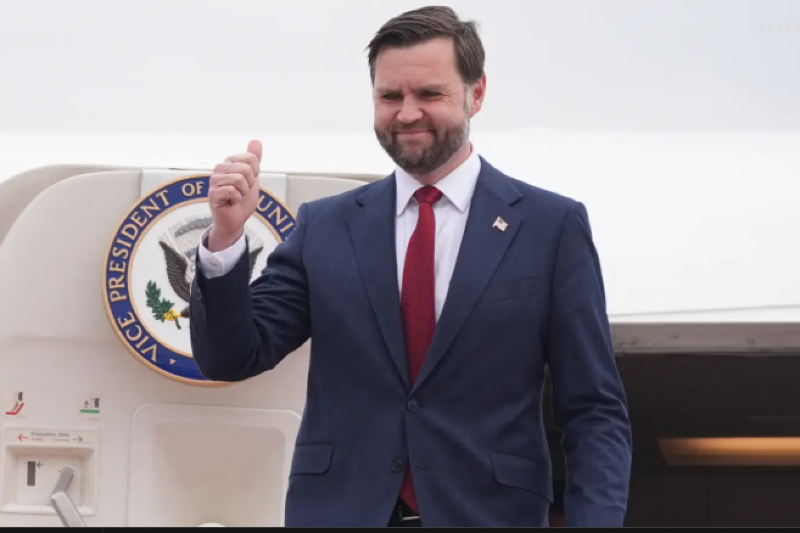
ISLAMABAD — A historic attempt to end the conflict between the United States and Iran ended in a stalemate on Sunday, as U.S. Vice President JD Vance announced that 21 hours of intensive negotiations in the Pakistani capital failed to produce a peace deal.
Speaking to reporters at Nur Khan Air Base before boarding Air Force Two, Vance stated that while the discussions were "substantive," the two nations remained fundamentally at odds over key security and nuclear terms.
"Our Final and Best Offer"
The Vice President revealed that the U.S. delegation, which included Jared Kushner and Middle East envoy Steve Witkoff, presented a "final and best offer" to the Iranian delegation. However, he noted that Tehran chose not to accept the proposed terms.
"The bad news is that we have not reached an agreement, and I think that's bad news for Iran much more than it's bad news for the United States," Vance said.
The Vice President emphasized that President Donald Trump's primary objective remains the total prevention of Iran’s nuclear weapon capabilities. Vance noted that while much of Iran's nuclear infrastructure has been "destroyed," the U.S. requires a "fundamental commitment of will" from Tehran to abandon its nuclear ambitions permanently—a commitment he says has not yet materialized.
Iran Blames "Excessive Demands"
Shortly after the U.S. departure, the Iranian Ministry of Foreign Affairs issued a sharp rebuttal. Foreign Ministry spokesperson Esmaeil Baqaei characterized the talks as "intensive" but accused Washington of making "excessive demands and unlawful requests."
Tehran maintains that any successful resolution depends on the U.S. recognizing Iran's "legitimate rights and interests," particularly regarding frozen assets and its role in regional security.
Key Points of Friction:
Nuclear Guarantees: The U.S. demanded ironclad proof that Iran will not seek nuclear tools in the future; Iran viewed these demands as a violation of its sovereignty.
Economic Standoff: Discussions regarding the release of billions in frozen Iranian assets failed to reach a breakthrough.
Maritime Tension: As talks concluded, U.S. Central Command reported that two navy destroyers began clearing sea mines in the Strait of Hormuz. While the U.S. framed this as a security measure, Iran has denied that any such operations are taking place.
High Praise for Pakistan
Despite the diplomatic failure, Vance was quick to praise the mediation efforts of Pakistani Prime Minister Shehbaz Sharif and Field Marshal Asim Munir. He stated that "whatever shortcomings" existed in the negotiations were not the fault of the Pakistani hosts, whom he credited with doing an "amazing job" facilitating the dialogue.
What Happens Next?
The collapse of the talks leaves the region in a state of high uncertainty. In Washington, President Trump struck a defiant tone, telling reporters that it "makes no difference" whether a deal was signed, asserting, "regardless what happens, we win."
With the temporary ceasefire nearing its end and Israeli Prime Minister Benjamin Netanyahu continuing strikes against Hezbollah targets in Lebanon, the "Islamabad Talks" may represent the final diplomatic off-ramp before a return to full-scale hostilities.