
Netanyahu's Phone Call Sabotaged US-Iran Peace Talks in Pakistan, Tehran Claims
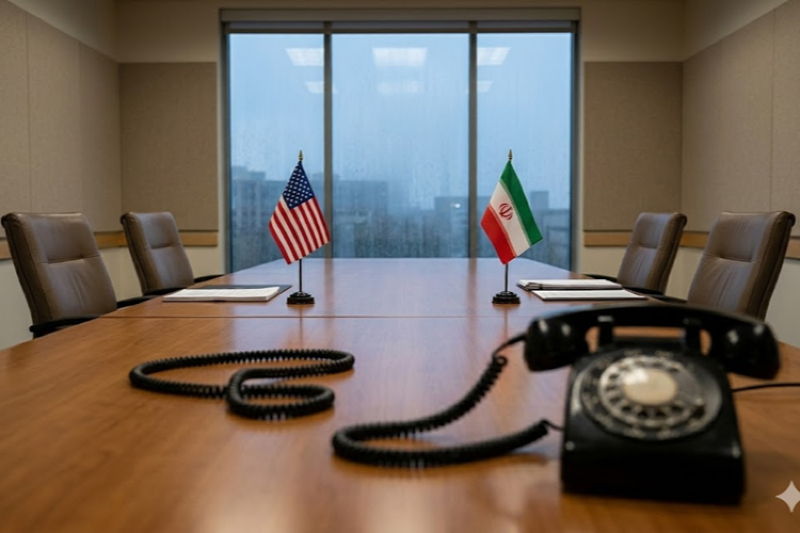
ISLAMABAD/ WASHINGTON — A diplomatic breakthrough between Washington and Tehran reportedly collapsed in its final hours after a high-stakes phone call from Israeli Prime Minister Benjamin Netanyahu disrupted negotiations, according to Iranian officials.
The failure of the talks in the Pakistani capital comes at a critical juncture. A fragile, two-week ceasefire—brokered earlier this month—is now under severe strain with only nine days remaining before it expires.
The "Netanyahu Call" Allegation
Iranian Foreign Minister Seyed Abbas Araghchi took to X (formerly Twitter) to blame the collapse directly on Israeli interference. He alleged that Prime Minister Netanyahu placed a strategic call to US Vice President JD Vance while negotiations were still active.
"Netanyahu's call to Vance during the meeting shifted the focus from US-Iran negotiations to Israel's interests," Araghchi wrote. "The US tried to achieve at the negotiating table what it could not achieve through war."
Araghchi maintained that Iran entered the Islamabad summit in "good faith," but described Vance’s subsequent press conference as "unnecessary." He concluded by stating Iran remains "committed and prepared to safeguard our nation's interest and sovereignty."
The White House has maintained silence regarding the alleged phone call, neither confirming nor denying that the conversation took place.
"Tenacious" Demands and "Final Offers"
Mediators and Iranian officials described the American position during the 21-hour session as "untenable." Sources close to the talks suggest that Vice President Vance presented a list of demands that went far beyond maritime security.
The US "Final and Best Offer" reportedly included:
Freedom of Navigation: Unrestricted access for US and allied vessels through the Strait of Hormuz.
Nuclear Dismantlement: The complete destruction of Iran's uranium enrichment infrastructure.
Stockpile Transfer: The immediate handover of Iran's existing uranium supplies to a third party.
Vance reportedly characterized these terms as Washington’s "final and best offer," which the Iranian delegation flatly declined.
Economic Fallout and Maritime Crisis
The diplomatic failure has sent immediate shockwaves through global energy markets. The brief ceasefire had successfully cooled Brent crude prices from $119 to approximately $95 per barrel. However, analysts now warn of a return to triple-digit prices.
Commercial activity in the Strait of Hormuz remains paralyzed. Since March, shipping has dropped to near zero following Iran’s deployment of mines and drones. Tehran’s demand for "transit fees" exceeding $1 million per vessel has been denounced by Washington as a violation of international maritime law.
Cracks in the Alliance
The failed negotiations have also highlighted growing isolation for the Trump administration’s war efforts:
European Defiance: Spain and Italy have publicly refused to allow their airspace or territory to be used for military operations against Iran.
NATO Resistance: Several NATO members continue to resist pressure from President Trump to join the conflict.
Gulf Neutrality: Traditional US partners in the Gulf have largely held back, leaving Washington to navigate the escalating crisis with limited regional support.
With the ceasefire clock ticking down, the prospect of a full-scale blockade of Iranian ports looms, threatening to turn a regional standoff into a global economic catastrophe.