
Trump Hints at Arctic Cooperation on Greenland After Nato Talks, Steps Away from Tariff Pressure
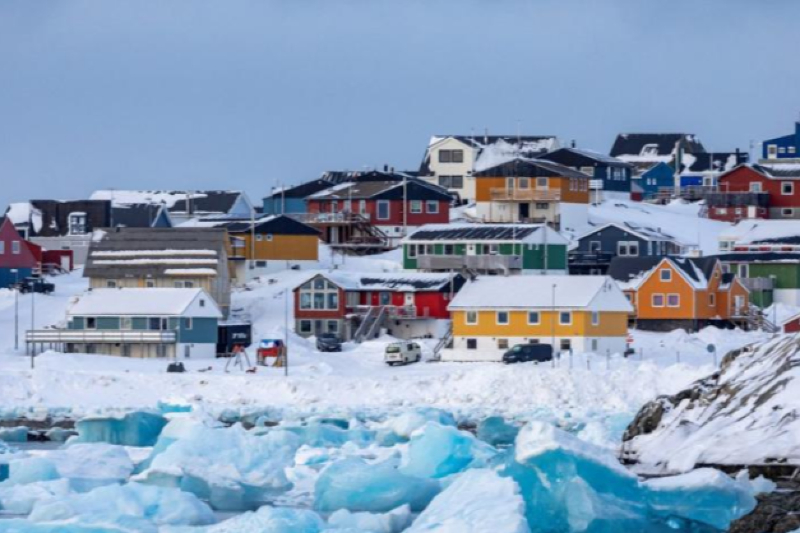
Jan 22, 2026: US President Donald Trump has suggested that discussions with Nato have opened the door to a possible future understanding involving Greenland, signalling a softer tone after weeks of sharp warnings to European allies over trade and security.
In a social media post, Trump said talks with Nato leaders were “very productive” and resulted in what he described as the outline of a potential agreement related to Greenland and the broader Arctic region.
He did not, however, indicate that any deal had been reached on his long-stated ambition for American ownership of the island.
The remarks followed a meeting with Nato Secretary General Mark Rutte during the World Economic Forum in Switzerland. Trump later told reporters that while the talks had moved matters forward, there was no discussion about the transfer of sovereignty over Greenland, which remains an autonomous territory within the Kingdom of Denmark.
Trump said Secretary of State Marco Rubio and special envoy Steve Witkoff would continue engaging with relevant parties as discussions progress. Diplomatic sources quoted by US media said there was no agreement granting the United States control over Greenland.
Denmark responded with cautious optimism. Foreign Minister Lars Løkke Rasmussen said the situation had improved by the end of the day and emphasised the importance of addressing US security concerns in the Arctic without crossing Denmark’s fundamental red lines.
Some additional details emerged after the Nato meeting. Trump said any future arrangement could involve cooperation over mineral resources and Arctic security.
He also suggested that European allies could potentially take part in a proposed US missile defence initiative, known as the “Golden Dome.”
Greenland has drawn increasing attention due to its strategic location and its large, largely undeveloped reserves of rare earth minerals, which are critical for modern technologies such as electric vehicles, renewable energy systems and consumer electronics.
Trump described the idea of cooperation in the region as a long-term strategic opportunity with lasting security and economic benefits.
Nato officials later clarified that discussions on Greenland’s sovereignty were not part of the talks. A Nato spokesperson said future dialogue among Denmark, Greenland and the United States would focus on preventing rival powers, particularly Russia and China, from gaining influence on the island.
The statement, however, drew criticism from Greenlandic representatives. Aaja Chemnitz, one of Greenland’s two members of the Danish parliament, said decisions concerning the island should not be made without Greenland’s direct involvement, stressing that external actors could not negotiate on its behalf.
According to US media reports, one scenario under consideration could allow the United States to expand its military presence in Greenland.
Existing agreements already permit Washington to deploy forces there, and the US currently maintains a permanent presence at the Pituffik Space Base in the island’s northwest.
Trump’s comments also marked a retreat from earlier threats to impose new tariffs on European countries. He had warned of duties on imports from several Nato members, including Denmark and the UK, unless progress was made on Greenland-related negotiations. Following his meeting with Rutte, Trump said those tariff plans had been dropped.
Speaking separately at the Davos forum, Trump reiterated his desire to open immediate negotiations over Greenland but said the US would not pursue the matter through military means. He also issued a pointed warning that countries rejecting his proposals should consider the long-term implications.
The Greenland issue unfolded amid broader trade tensions between Washington and its allies. French President Emmanuel Macron had criticised the prospect of new US tariffs, calling them unacceptable and urging the European Union to consider possible countermeasures.
Trump later responded with sharp criticism of France and also took aim at Canadian Prime Minister Mark Carney, dismissing calls for middle-power countries to coordinate against US policies.
While no concrete agreement has been announced, Trump’s latest statements suggest a shift away from confrontation towards negotiation, as debates continue over Arctic security, resources and Greenland’s future role on the global stage.