
Iranians Deeply Divided Over Mojtaba Khamenei’s Rise to Power
Iran is witnessing mixed reactions following the announcement that Mojtaba Khamenei has been appointed the country’s new Supreme Leader after the reported death of his father, Ali Khamenei, during the first day of the ongoing conflict between Iran and the United States.
While some supporters of the Islamic Republic have welcomed the leadership transition, others across the country remain skeptical, questioning whether the change will bring any meaningful political reform.
A Nation Divided Over the New Leadership
According to a report by BBC, reactions among Iranians range from celebratory rallies to expressions of frustration and uncertainty about the future.
In Tehran, some residents say the leadership transition simply reinforces the existing power structure rather than signaling a new direction.
One man in his 30s said the decision shows that hopes for change within the system have effectively disappeared.
“There was always a small possibility that things could evolve,” he said. “Now it seems even that chance is gone.”
Assembly of Experts Selects the Successor
The appointment was made by the Assembly of Experts, the 88-member clerical body responsible for choosing Iran’s Supreme Leader.
Observers note that Mojtaba Khamenei was widely viewed as one of the figures closest to his father within the political establishment, making his selection unsurprising to many analysts.
Critics, however, argue that the decision reflects continuity rather than reform within Iran’s governing institutions.
Long-Standing Influence Behind the Scenes
For years, Mojtaba Khamenei was believed to hold considerable influence within Iran’s leadership circles despite maintaining a relatively low public profile.
Diplomatic cables released by WikiLeaks in the late 2000s described him as a powerful figure behind the scenes, sometimes referred to as a key gatekeeper to the former supreme leader.
He has also been associated with strong ties to the Islamic Revolutionary Guard Corps, one of the most powerful institutions in Iran’s political and military structure.
Supporters Rally in Major Cities
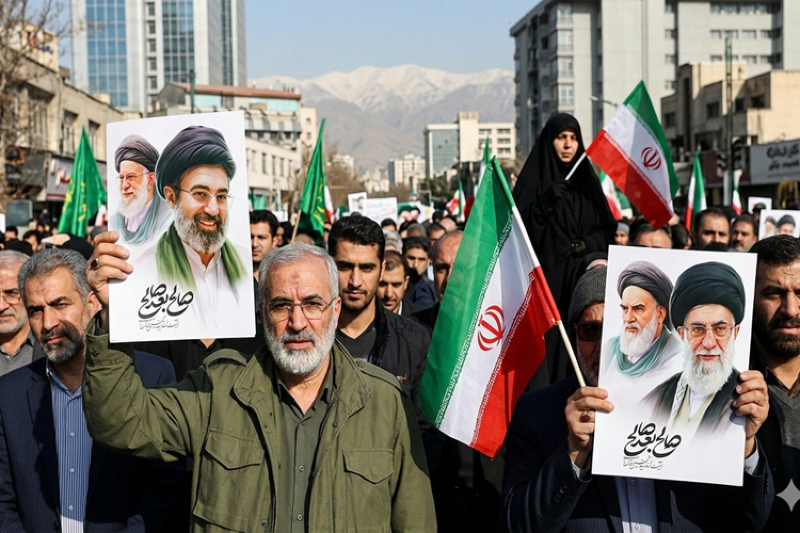
Pro-government demonstrations have taken place in several cities, including Tehran, the religious centre Qom, and Mashhad, Mojtaba Khamenei’s birthplace.
Footage broadcast on Iranian state television showed crowds waving the national flag and carrying images of the new leader alongside his late father.
Supporters at the rallies expressed confidence that Mojtaba Khamenei would continue the political path established by the previous leadership.
Public Concerns About the Future
Despite the displays of support, many citizens remain uneasy about the future direction of the country.
A woman in her 20s from Tehran said she feared the new leadership could adopt even stricter policies than those seen under the previous administration.
Another resident expressed concern that ongoing tensions with foreign powers could lead to further domestic pressures.
Opposition Voices Surface Online
Videos circulating on social media have shown smaller groups of protesters chanting slogans critical of the new leader, highlighting the divisions within Iranian society.
While such demonstrations appear limited compared with pro-government gatherings, analysts say they reflect a broader undercurrent of dissatisfaction among some segments of the population.
Leadership Change Amid Escalating Conflict
The leadership transition comes during a period of intense geopolitical tension. Military strikes involving Israel and the United States against Iranian targets have further complicated the situation.
The appointment of Mojtaba Khamenei is therefore unfolding against the backdrop of regional conflict and international scrutiny.
Global Reactions to the Appointment
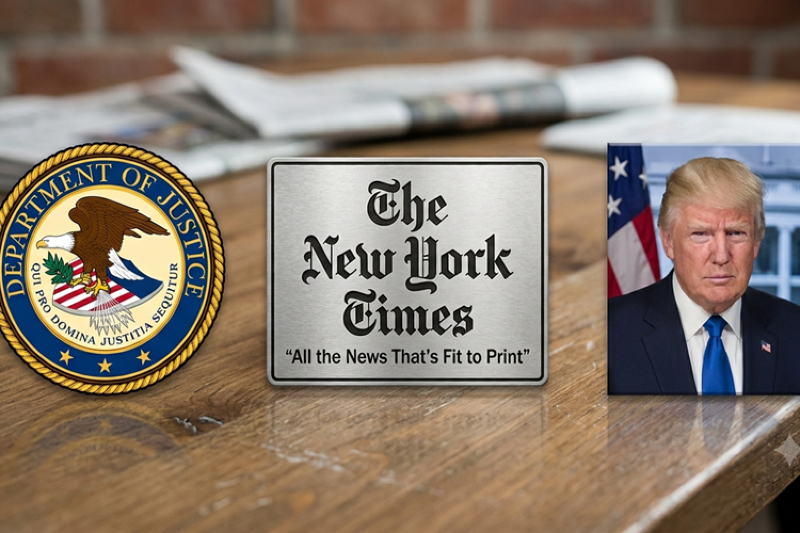
The development has also drawn strong reactions from foreign leaders. Donald Trump, President of the United States, previously criticized the prospect of Mojtaba Khamenei becoming Iran’s supreme leader.
Israeli officials have also warned that they would continue monitoring and responding to Iran’s leadership changes as tensions in the region persist.
Uncertain Path Ahead for Iran
As Iran enters a new phase of leadership, many observers believe the coming months will determine whether the transition strengthens the country’s political stability or deepens existing divisions.
For now, reactions among Iranians suggest a country grappling with uncertainty, as supporters celebrate continuity while critics question whether real change remains possible.