Trump Halts Planned Strikes on Iran, Claims Diplomatic Breakthrough is Imminent
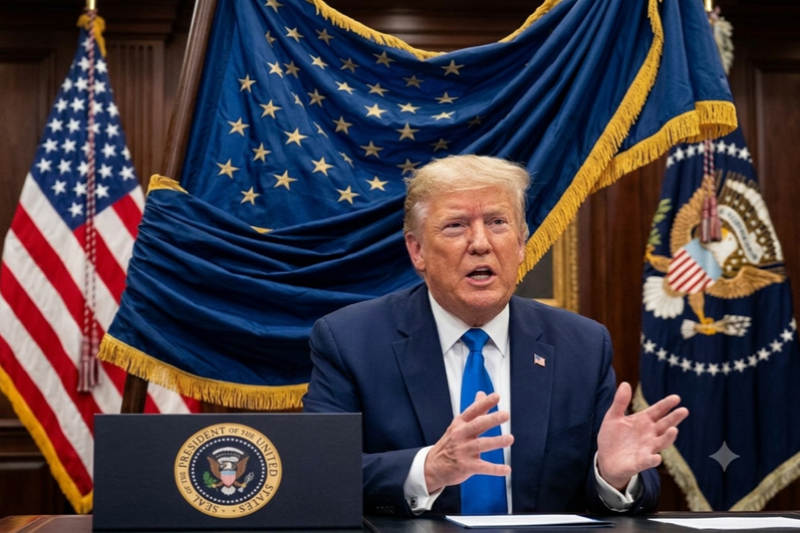
WASHINGTON — In a dramatic pivot from heavy military threats to intense diplomacy, US President Donald Trump announced on Thursday that he has called off a wave of scheduled airstrikes against Iran, claiming that Washington and Tehran are on the verge of a historic breakthrough to resolve their ongoing military conflict.
"We just made a great settlement of the war with Iran," President Trump told reporters in the Oval Office.
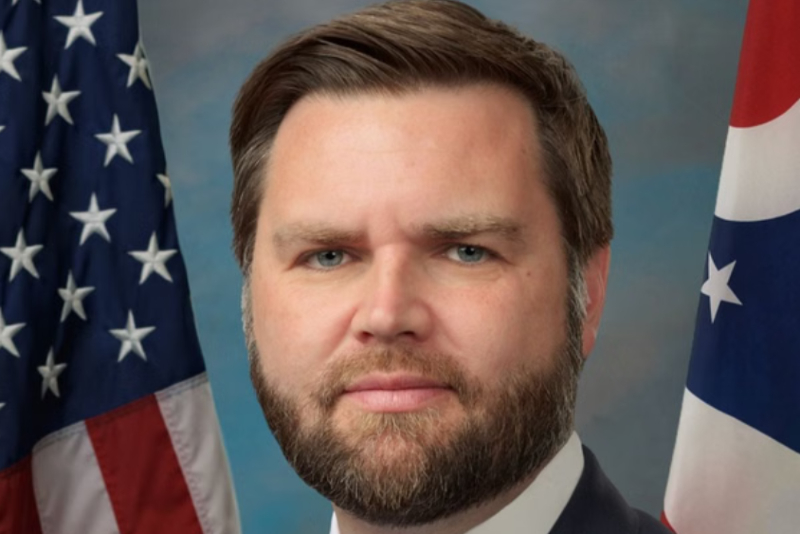
He indicated that a formalized memorandum of understanding has been approved at the highest levels of leadership and could be signed within days, potentially at a summit in Europe with Vice President JD Vance in attendance.
Mixed Signals and Caution from Tehran
The sudden shift toward peace comes just hours after Trump had warned that the US military would hit Iran "very hard," threatening a potential takeover of Iran's primary oil infrastructure on Kharg Island.
While Trump expressed immense confidence—noting that the deal would permanently ensure "Iran will never have a nuclear weapon"—officials in Tehran reacted with measured caution.
Iranian Foreign Ministry spokesperson Esmail Baghaei stated on state television that while the baseline text for a memorandum has largely been drafted, reports of a completed agreement remain "speculative" and "nothing has been finalized."
Baghaei emphasized that Iran would not compromise on its core national sovereignty and "red lines."
International observers note that this marks the latest in a series of optimistic timelines provided by the Trump administration over the last two months regarding a peaceful resolution, none of which have yet yielded a signed pact.
High Stakes in the Waterways
The diplomatic push follows a sharp uptick in military hostilities earlier this week. The conflict escalated dramatically after a US Apache helicopter crashed in the Gulf on Monday.
In response, US Central Command (CENTCOM) carried out extensive strikes against military and radar installations in southern Iran.
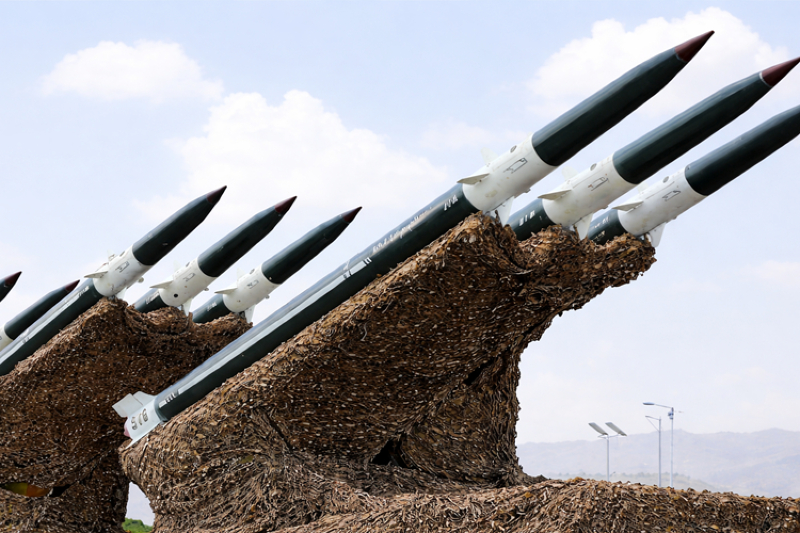
Iran's Islamic Revolutionary Guard Corps (IRGC) retaliated by targeting American military bases in Bahrain, Kuwait, and Jordan with drones and missiles.
The fallout from the regional clashes sparked international friction, notably after India lodged a firm protest with Washington following a US naval blockade strike in the Gulf of Oman that killed three Indian seafarers.
A key component of the emerging agreement focuses on stabilizing global energy markets. Under the proposed framework:
The Strait of Hormuz: Iran would begin demining and reopening the critical maritime choke point, through which 20% of global oil passes.
The US Blockade: The US naval blockade on Iranian ports will remain strictly in effect until the final documents are officially signed.
Market and Regional Reactions
The mere prospect of a diplomatic resolution sent ripples through the global economy. The price of Brent crude oil plunged by roughly 4.4% following the White House announcement, settling near $89 a barrel.
Regionally, responses remain divided. President Trump stated that he consulted extensively with Gulf allies and Israeli Prime Minister Benjamin Netanyahu, claiming the "whole Middle East is very happy" with the trajectory of the talks.
Netanyahu’s office confirmed the communication but clarified that Israel is not a formal party to the bilateral memorandum.
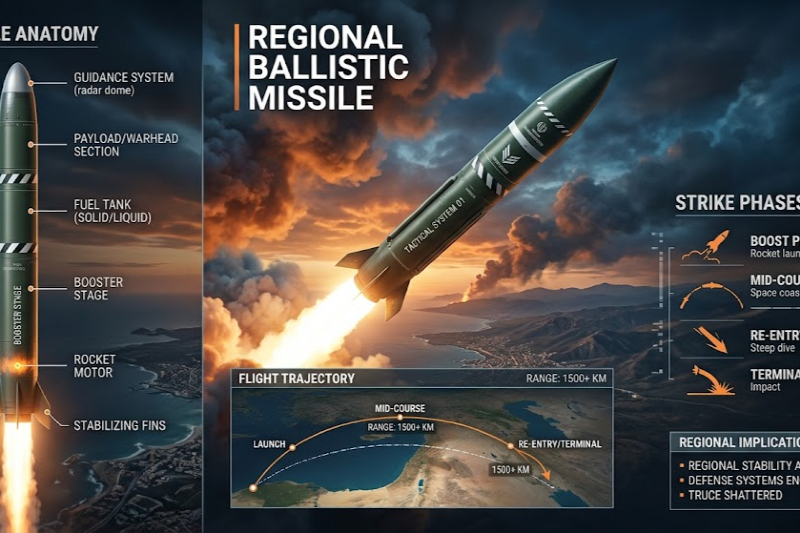
The Israeli administration emphasized its appreciation for US efforts to secure long-term terms that mandate the dismantling of Iran’s uranium enrichment infrastructure, strict limits on missile development, and an absolute halt to Tehran's funding of regional proxy groups.