
Israel Launches Direct Retaliatory Air Strikes on Iranian Military Assets
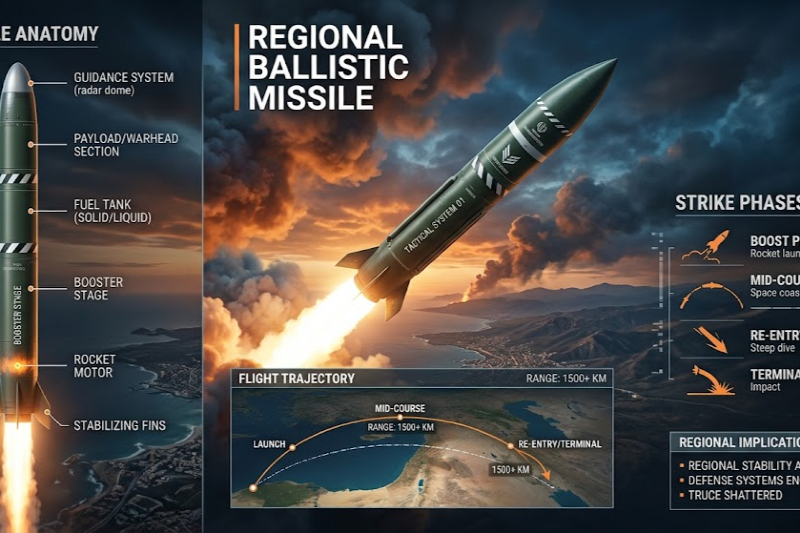
JERUSALEM — The Middle East has spiraled into an intense round of direct state-on-state warfare after the Israeli Air Force launched overnight retaliatory strikes targeting central and western Iran.
The military operation directly defied urgent warnings from U.S. President Donald Trump, who spent the preceding hours pressuring his Israeli counterparts to show restraint after Iran fired massive missile salvos into northern Israel on Sunday evening.
Midnight Explosions Across Iran
The Israel Defense Forces (IDF) officially confirmed the offensive, stating that its fighter jets targeted strategic installations belonging to the Iranian government.
Iranian state media reported that multiple explosions echoed across major population centers, including the capital city of Tehran, Tabriz, Isfahan, and near the central city of Karaj.
Local authorities in Isfahan claimed that no casualties have been recorded, while municipal officials in Tehran noted that the blasts were concentrated in western sectors outside the dense urban zones.
In response to the unfolding air campaign, Iranian civil aviation authorities issued an emergency directive suspending all incoming and transit flights at Tehran's Imam Khomeini International Airport until further notice.
Trump's Diplomatic Directives Ignored
The rapid counter-strike exposes a severe breakdown in Washington’s leverage over its primary regional ally. Prior to the strikes, President Trump engaged in a series of urgent phone briefings with international media outlets, expressing extreme dissatisfaction with the cycle of violence.
Trump revealed to Axios and Israel's Channel 12 News that he intended to call Prime Minister Benjamin Netanyahu immediately to halt any further aggression, arguing that Iran's initial missile barrages "didn’t hurt anybody."
"Each of them had their fun. Israel had its strike and Iran had its strike. We don't need another one," Trump told Axios.
Speaking with the Financial Times, Trump downplayed the structural threat to a broader trilateral diplomatic deal he has been seeking to salvage, confidently asserting that Netanyahu would ultimately have "no choice" but to comply with the White House's terms. "I call the shots. I call all the shots," Trump stated.
A Multi-Front Escalation
The regional battlefield expanded further on Monday morning as a separate threat emerged from the south. The IDF announced it detected a long-range missile launched toward central Israel from Yemen.
| Region | Current Security Status |
|---|---|
| Central Israel & Jerusalem | Air defense systems were fully activated; warning sirens blanketed Tel Aviv and Jerusalem before citizens were permitted to exit bunkers. |
| Gaza Border Crossings | Israel's COGAT agency closed the Rafah and Kerem Shalom humanitarian transit routes indefinitely as a protective measure. |
| U.S. Diplomatic Assets | The U.S. Embassy in Jerusalem officially shut down its operations for Monday, ordering all staff to shelter in place. |
The sudden military convergence has triggered sharp reactions in international financial markets.
In Asian morning trade, global energy prices surged, with Brent crude jumping 2.6% to $95.50 a barrel and U.S. West Texas Intermediate rising 2.5% to $92.75, as traders evaluate the long-term threat to global energy supply routes.
Keywords: Israeli retaliatory strikes, Iran military targets, Tehran explosions, Trump Netanyahu call, Yemen missile intercept, Gaza crossing closure, Brent crude surge
Hashtags: #MiddleEastConflict #IsraelStrikesIran #TehranExplosions #TrumpDiplomacy #OilPrices #BreakingNews #GlobalSecurity