
Hezbollah Rejects U.S.-Backed Israel-Lebanon Ceasefire, Labeling Terms a "Surrender"
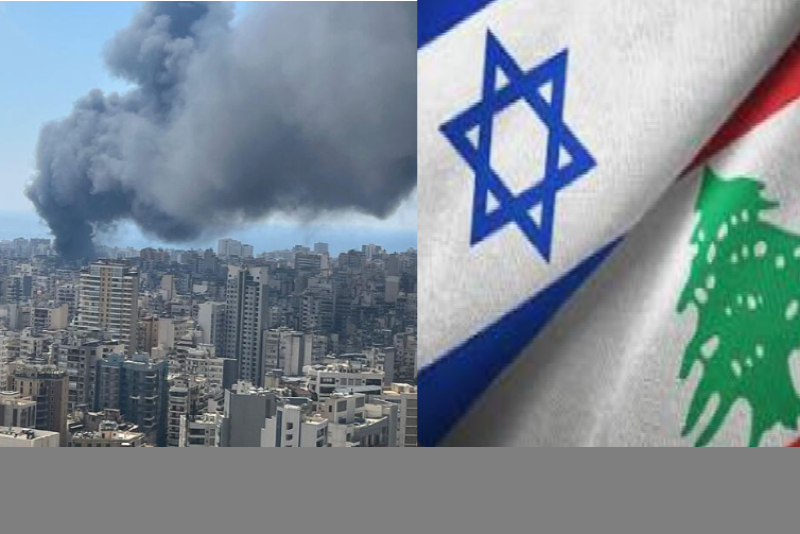
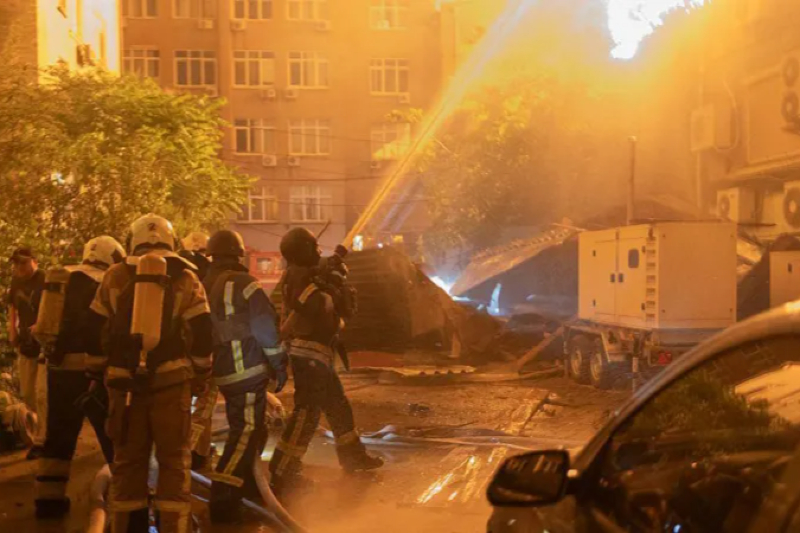
BEIRUT — The Lebanese militant group Hezbollah has flatly rejected the terms of a newly proposed, U.S.-backed ceasefire agreement between Israel and the Lebanese government.
In a decisive and strongly-worded statement issued on Thursday, Hezbollah leader Naim Qassem condemned the diplomatic negotiations as "futile" and "humiliating" for Lebanon, asserting that the framework is fundamentally rejected by broad segments of the Lebanese population.
The Dispute Over "Pilot" Security Zones
The friction arises after Israel and Lebanon announced the renewal of a fragile, conditional truce brokered during a fourth round of U.S.-mediated talks in Washington.
A joint statement released on Wednesday by the U.S. State Department outlined a framework contingent upon a total cessation of hostilities by Hezbollah. Crucially, the deal mandates:
Fighter Withdrawal: The complete evacuation of all Hezbollah operatives from the southern border territory stretching up to the Litani River—an area roughly 30 kilometers (19 miles) north of the Israeli border currently occupied by Israeli ground forces.
Exclusive Military Zones: The creation of U.S.-guided "pilot security zones" where the Lebanese Armed Forces would maintain exclusive territorial control, strictly banning Hezbollah and all other non-state actors.
Responding on Thursday, Qassem—whose group was excluded from the Washington talks—argued that halting fire and withdrawing forces from the southern front amounts to an unconditional surrender that fulfills Israel’s core wartime objectives.
Residents in Hezbollah's southern Beirut stronghold of Dahieh echoed this sentiment, viewing a one-sided truce amidst ongoing bombardment as a capitulation rather than a genuine peace agreement.
Continued Violations Shatter Monday's Truce
The latest diplomatic framework was intended to build upon a partial ceasefire announced on Monday, under which Israel agreed to halt airstrikes on Beirut in exchange for Hezbollah stopping attacks on Israeli territory. However, the agreement has failed to halt operations on the ground:
| Faction / Authority | Current Operations & Stance |
|---|---|
| Israeli Defense Ministry | Defense Minister Israel Katz stated that the Israeli military will continue its ground operations and airstrikes "for the time being" to systematically dismantle militant infrastructure. |
| Lebanese State Media | The state-run National News Agency (NNA) documented multiple deadly Israeli strikes on Thursday, including an attack in the Bekaa Valley town of Sohmor that killed five people, and a fatal drone strike on a motorcycle near Tyre. |
| Hezbollah Militants | The group confirmed it launched targeted rocket and drone strikes on Thursday against Israeli troops and military vehicles stationed near Qantara and Beaufort Castle. |
UN Peacekeeper Casualty Raises Tensions
The volatility on the ground was further highlighted by the United Nations Interim Force in Lebanon (Unifil), which confirmed the death of a peacekeeper. Senior Sergeant Milovan Jovanovic of Serbia died from wounds sustained during a mortar attack on a UN position near Marjayoun late Wednesday.
The Israeli military has accused Hezbollah of firing the fatal mortars into the UN compound. Hezbollah has not yet issued a formal comment regarding the incident.
A Broadening Regional Conflict
Lebanon was heavily drawn into the wider conflict on March 2, when Hezbollah initiated heavy rocket barrages into Israel following an Israeli strike that killed Iran's supreme leader.
While a U.S.-brokered ceasefire on April 16 briefly attempted to de-escalate the crisis, fighting intensified last week after Israeli Prime Minister Benjamin Netanyahu ordered troops to advance deeper into Lebanon to counter persistent drone and rocket attacks on northern Israeli communities.
Lebanese President Joseph Aoun indicated that the new ceasefire could technically be active within 24 hours if finalized by all parties, with representatives scheduled to meet again on June 22 to pursue a comprehensive deal.
However, achieving a total cessation of fire remains highly precarious. Hezbollah functions as Lebanon's most powerful political and military entity, maintaining an armed force more formidable than the official Lebanese national army.
According to the Lebanese health ministry, the conflict has claimed at least 3,526 lives in Lebanon since it began, while displacing over one million people. Israel reports that 26 of its soldiers and four civilians have been killed during the cross-border warfare.