
Trump Threatens to Seize Kharg Island as US Hits Iran ‘Very Hard’ tonight
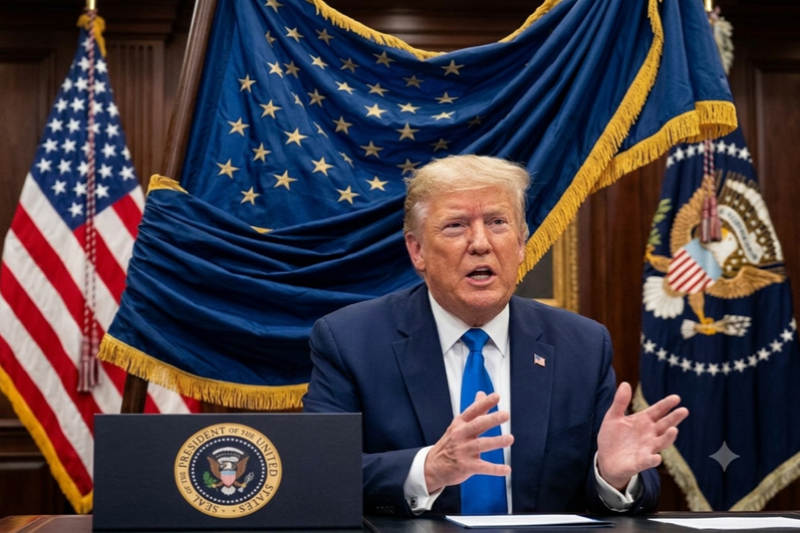
DUBAI / WASHINGTON — In a sharp escalation of rhetoric following days of military exchanges, US President Donald Trump announced that the United States will hit Iran "very hard tonight" with a fresh wave of military strikes.
In a statement posted on Truth Social, Trump claimed that Iran's defensive capabilities and much of its offensive infrastructure have already been dismantled. He further threatened to "assume total control" of Iran’s energy sector by seizing Kharg Island—the country's primary oil export hub—in the "not too distant future."
The President's warnings triggered an immediate reaction in global energy markets. Brent crude futures jumped by roughly $2, climbing rapidly to $94.16 a barrel within minutes of the statement's publication before retracting slightly.
Blockade in the Gulf of Oman Escalates
The high-stakes political threats come amid deadly maritime operations in the region. The US military has been actively enforcing a naval blockade on Iranian ports, leading to highly volatile confrontations with commercial shipping vessels.
Settebello Attack: India’s Ministry of External Affairs confirmed the deaths of three Indian crew members following a precision US strike on the Palau-flagged oil tanker Settebello. The US Central Command (Centcom) stated that the ship had repeatedly ignored directions while attempting to transport Iranian oil.
Jalveer and Marivex Struck: The US military confirmed it fired two Hellfire missiles into the engine room of the Guinea-Bissau-flagged vessel Jalveer near Oman after it allegedly violated blockade rules. This marks the third Indian-crewed vessel struck by US forces this week, following an earlier attack on the tanker Marivex.
According to Centcom, the Settebello is the eighth vessel to be forcefully disabled since the blockade began on April 13. While US authorities maintain that over 130 compliant ships have been safely rerouted and 42 humanitarian vessels allowed through, Indian officials expressed serious concerns, noting that thousands of Indian sailors remain stranded in the tense Gulf region.
Collapsing Ceasefire and Regional Fallout
The maritime standoff has pushed a fragile regional ceasefire to the brink of complete collapse. Iran’s foreign ministry declared that the persistent American strikes have made the truce "practically meaningless."
The confrontation has also spilled over into neighboring nations hosting US military assets:
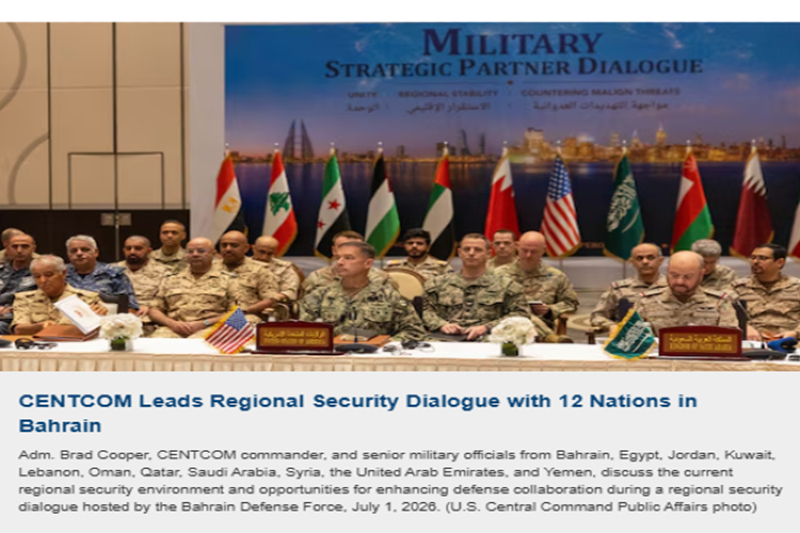
Base Strikes: Iran's Islamic Revolutionary Guard Corps (IRGC) confirmed launching retaliatory drone and missile strikes against American bases located in Bahrain, Kuwait, and Jordan.
Collateral Damage: Local authorities in Bahrain—home to the US Navy’s Fifth Fleet—reported damaged homes and civilian injuries, including an 11-year-old girl, from incoming Iranian drones. Meanwhile, Jordan claimed its air defenses successfully intercepted 20 Iranian missiles.
Explosions Reported: Iranian semi-official media outlets reported hearing explosions near the strategic city of Sirik along the Strait of Hormuz, indicating that domestic military sites are facing active bombardment.
Global Powers Plead for Calm
The rapid deterioration of security along the world's most vital energy corridor has triggered urgent diplomatic intervention from the international community.
In a joint push for de-escalation, Pakistan and Qatar are continuing mediation efforts to bring both sides back to the negotiating table. Concurrently, major global powers—including China, Russia, Turkey, and Saudi Arabia—issued formal warnings, emphasizing that continued military force will fail to resolve the underlying systemic disputes and risks devastating the global economy.