
Starmer Faces Labour MPs as Cabinet Rallies Behind Him Amid Leadership Crisis
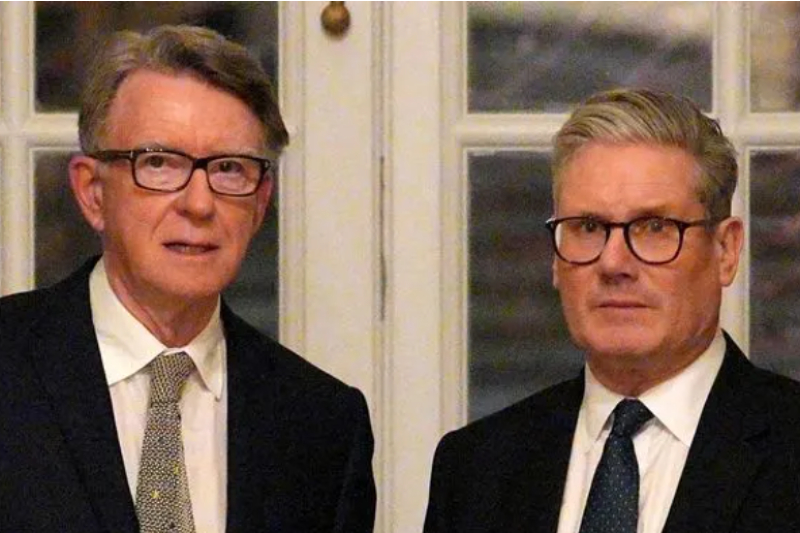
February 10, 2026 — UK Prime Minister Keir Starmer has addressed a closed-door meeting of Labour MPs and peers as his leadership faces its most serious challenge yet, following growing criticism over the appointment of Peter Mandelson as ambassador to the United States and a wave of high-profile resignations from Downing Street.
Starmer arrived at the Parliamentary Labour Party (PLP) meeting to loud applause, according to journalists present outside the packed committee room, where MPs, peers, and senior cabinet figures gathered amid intense political pressure.
Crisis Triggered by Mandelson Appointment
The crisis traces back to Starmer’s decision to appoint veteran Labour figure Peter Mandelson as US ambassador. Mandelson was later dismissed after renewed scrutiny of his past links to convicted sex offender Jeffrey Epstein, followed by allegations that he had passed on market-sensitive government information.
The Metropolitan Police are now investigating Mandelson for alleged misconduct in public office. Mandelson has denied any criminal wrongdoing and insists he was not motivated by financial gain.
Senior Resignations Deepen Turmoil
The controversy intensified over the weekend when Morgan McSweeney, Starmer’s long-time adviser and chief of staff, resigned, saying he took “full responsibility” for advising the prime minister on the Mandelson appointment. A day later, Tim Allan, the prime minister’s director of communications, also stepped down.
The resignations fuelled speculation about Starmer’s authority and prompted renewed calls for him to take personal responsibility for the crisis.
Scottish Labour Leader Calls for Resignation
The most damaging intervention came from Scottish Labour leader Anas Sarwar, who publicly urged Starmer to resign, saying the ongoing turmoil had become a “distraction” and was harming Labour’s prospects in Scotland ahead of key elections.
Sarwar said Downing Street had made “too many mistakes” and that the situation was undermining public confidence. He confirmed he had spoken to Starmer before making his comments but acknowledged they disagreed.
His move marked the first time a senior Labour leader had openly called for Starmer to step down, significantly raising the stakes.
Cabinet Closes Ranks Around Starmer
In response, Starmer’s cabinet moved quickly to publicly back him. Chancellor Rachel Reeves praised the prime minister for “turning the country around,” while Deputy Prime Minister Angela Rayner urged Labour MPs to “come together” and support the government.
Home Secretary Shabana Mahmood, Foreign Secretary Yvette Cooper, Health Secretary Wes Streeting, Education Secretary Bridget Phillipson, and Energy Secretary Ed Miliband were among those who voiced support, warning that internal division would distract from delivering Labour’s agenda.
Lucy Powell, Labour’s deputy leader, said it was “absolutely vital” for the party to stand united and dismissed the turmoil as “Westminster distraction” overshadowing progress on policy delivery.
Opposition Attacks and Questions of Accountability
The Conservative opposition seized on the crisis, with shadow ministers accusing Starmer of losing control of his party. Tory MP Neil O’Brien argued that if senior advisers had resigned, the prime minister should also accept responsibility.
In the House of Commons, Cabinet Office minister Darren Jones defended Starmer, saying Mandelson had misled the prime minister about the nature of his past associations.
Jones also acknowledged wider concerns about standards in public life, promising reforms to tighten oversight of financial disclosures, peerages, and the use of unofficial communication channels within government.
A Defining Moment for Starmer
Political analysts say the prime minister’s immediate position has stabilised due to strong cabinet backing, but warn the crisis is far from over. Starmer’s authority has been weakened, and future elections — including in Scotland — will test whether Labour can move beyond the controversy.
For now, Starmer has made clear he has no intention of resigning. A Downing Street spokesman said the prime minister remains “focused on the job in hand.”
Whether the show of unity inside the Labour Party is enough to restore confidence — among MPs and the public — remains an open question.