
Is a Leadership Shake-Up Looming? Starmer Faces Pressure as Party Looks for a Contingency
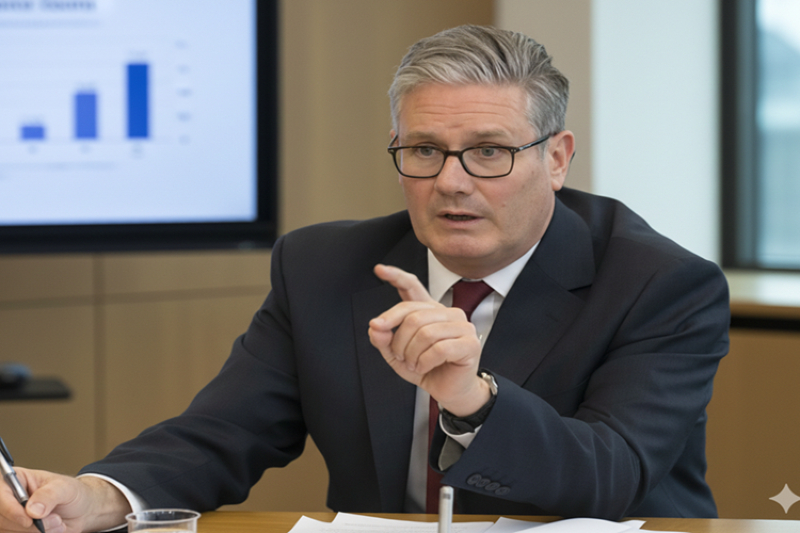
February 10, 2026 — UK Prime Minister Keir Starmer is confronting mounting turbulence within the Labour Party as the fallout from the Peter Mandelson-Epstein controversy continues to reverberate.
Beyond the immediate scandal, political observers are now questioning whether Starmer’s position is becoming untenable and whether some figures within Labour are quietly positioning themselves as alternatives.
The resignations of Starmer’s top aides — Chief of Staff Morgan McSweeney and Communications Director Tim Allan — combined with Scottish Labour leader Anas Sarwar’s public call for him to step down, have exposed vulnerabilities in Starmer’s leadership.
Analysts say this is less about the scandal itself and more about a growing perception that the Prime Minister’s authority is weakening at a critical time.
Historical Context: Leaders Under Pressure
Political crises have toppled leaders in the UK before, sometimes over what outsiders might consider “trivial matters.” Former Prime Minister Rishi Sunak, despite a reputation for steadiness, faced intense scrutiny and erosion of public confidence during his tenure, demonstrating how even well-established leaders can struggle when party confidence wavers.
Similarly, Starmer is facing a precarious test: public trust, internal loyalty, and upcoming local elections are all converging. Senior cabinet members have rallied to his side, issuing statements emphasizing his mandate and competence, but observers warn this may only be a temporary reprieve.
Quiet Positioning Within Labour
While no official challengers have declared themselves, political analysts suggest that factions within Labour are already weighing contingency plans.
The timing of Sarwar’s public dissent — the first senior Labour figure to openly demand Starmer’s resignation — has sparked speculation that internal pressure could continue to mount.
MPs may be gauging whether backing Starmer remains politically viable or whether aligning early with an alternative figure could strengthen their position ahead of elections.
Whether these maneuvers indicate a genuine attempt to replace the Prime Minister or merely reflect normal parliamentary negotiation is unclear. However, the story unfolding in Westminster underscores one key lesson: in modern UK politics, no premiership is immune to internal fracture, especially when credibility is challenged.
The Road Ahead
Starmer is scheduled to address nearly 400 backbench Labour MPs in a closed-door session later today, an effort to consolidate support and project authority. But with public attention fixed on Mandelson’s scandal and party confidence in question, analysts warn that Starmer’s leadership could remain under pressure for months, with every move scrutinized as a potential sign of weakness.
The coming weeks could define not only the Prime Minister’s tenure but also Labour’s electoral prospects, and perhaps more importantly, reveal the next-generation leaders quietly navigating their own path in the shadows of Westminster.