
Kremlin Tightens Grip: Russia Seizes $700M U.S.-Linked Firm Amid Push for New Ties with Trump Administration
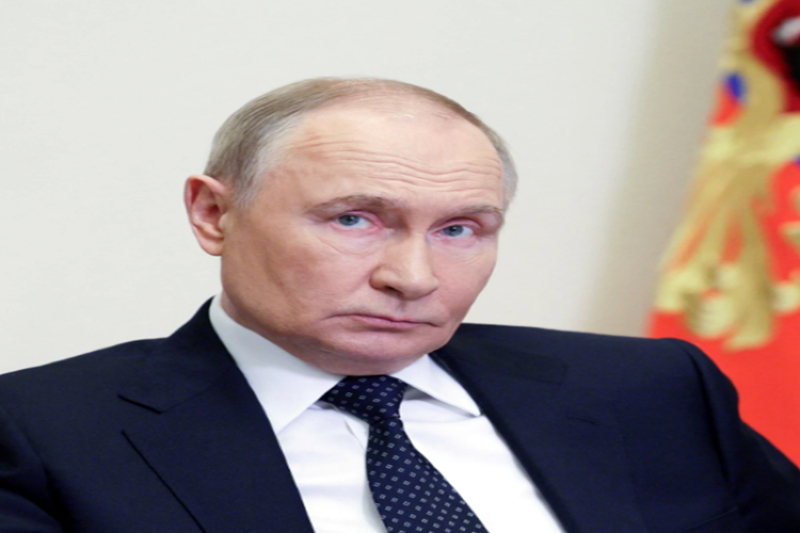
MOSCOW/WASHINGTON – In a move that highlights the precarious position of Western businesses remaining in Russia, the Kremlin has formally stripped a Pennsylvania-linked manufacturing giant of its Russian operations. The takeover comes even as Moscow simultaneously attempts to court the Trump administration for renewed economic cooperation and a potential peace deal in Ukraine.
The Seizure of CANPACK
CANPACK, a global leader in aluminum beverage can manufacturing owned by a Pennsylvania-based holding company, confirmed that its Russian assets—valued at approximately $700 million—have been placed under "external administration." The takeover was triggered by a December 31, 2025, decree signed by President Vladimir Putin, which effectively transferred 100% of the company’s shares to state-appointed managers.
CEO Peter Giorgi revealed in an interview that the company has lost all operational authority. "I'm only a nominal shareholder now," Giorgi stated, noting that state administrators arrived in mid-January to assume control. CANPACK, which has operated in Russia for nearly 30 years, held a dominant 35% to 40% share of the nation's aluminum can market.
Reports indicate that the transition has been aggressive. Senior executives, including the general manager and CFO, were promptly removed. Remaining local staff have reportedly faced intense pressure to approve financial decisions under threat of dismissal.
Asset Diversion and War Funding
Evidence is emerging that the seized assets are being leveraged to support Russian state interests. Russian business media reported that CANPACK’s Russian division "donated" roughly 500 million rubles to a fund supporting the war effort in Ukraine.
Further allegations suggest that approximately $18 million has been funneled to state-linked funds, with another $6 million directed toward a Russian Orthodox church. While CANPACK officials believe these transfers occurred based on reports from former executives, the company now lacks the access required to verify its own financial records.
A Strategy of "Bipolar" Diplomacy
The seizure of CANPACK is part of a broader legal framework introduced in 2023 that allows Moscow to place foreign-owned assets under temporary state control. However, the timing of this specific takeover is significant.
Even as the Kremlin seizes U.S. property, Putin’s foreign investment envoy, Kirill Dmitriev, has been in the United States meeting with officials from President Donald Trump’s administration. These talks are reportedly focused on future economic cooperation and a potential Ukraine peace settlement.
Analysts suggest this "stick and stone" approach serves two purposes:
Redistribution of Wealth: Assets are being handed to state-linked entities—in this case, a shell company called Stalelement—to reward Kremlin loyalists.
Negotiating Leverage: By holding high-value U.S. and European assets hostage, Moscow gains chips to play in future sanctions-relief negotiations.
Risks for Those Who Stayed
Unlike the hundreds of Western firms that exited Russia following the 2022 invasion of Ukraine, CANPACK chose to "stay the course," hoping for eventual stabilization. That gamble has now resulted in a total loss of control.
CANPACK is not an isolated case. Danish insulation firm Rockwool was targeted in the same December decree, following previous seizures of assets belonging to Danone and Carlsberg. Experts note that while U.S. firms were initially treated with more caution than European ones to preserve a diplomatic backchannel to Washington, that "grace period" appears to be ending.
The Washington Response
While CANPACK has raised the issue with U.S. government officials, no formal retaliatory action has been taken as of mid-April. The situation places the Trump administration in a difficult spot: balancing the protection of American private property rights with the broader goal of negotiating an end to the conflict in Eastern Europe.
As the Kremlin continues to consolidate strategic industries, the message to the international business community is clear: in the current geopolitical climate, ownership in Russia is a matter of state whim, not legal right. For companies like CANPACK, decades of investment have been erased with a single signature in the Kremlin.