Congress Passes Emergency 10-Day FISA Extension as Trump’s Surveillance Overhaul Stalls
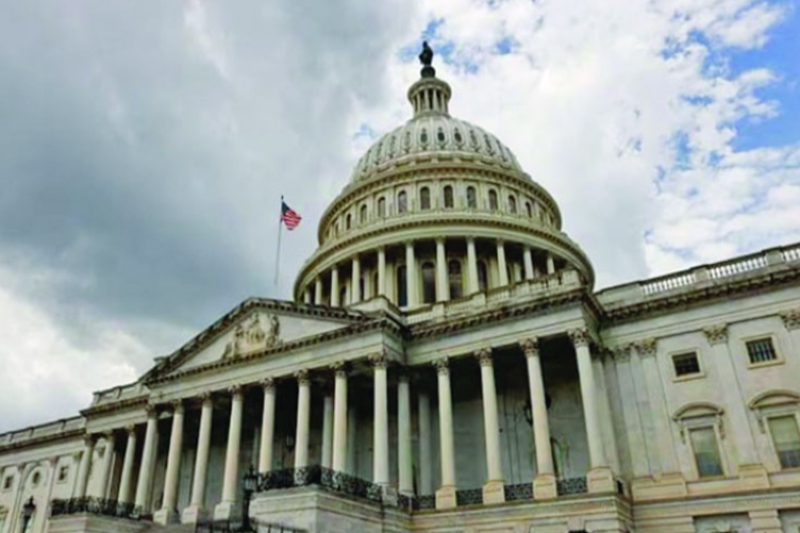
WASHINGTON – The United States Congress has enacted a last-minute, short-term extension of the controversial Section 702 of the Foreign Intelligence Surveillance Act (FISA), narrowly avoiding a lapse in the nation's primary overseas surveillance authority.
The patch, approved by both the House and Senate on Friday, keeps the program active until April 30, 2026, as lawmakers remain deadlocked over privacy reforms.
The 10-Day "Patch"
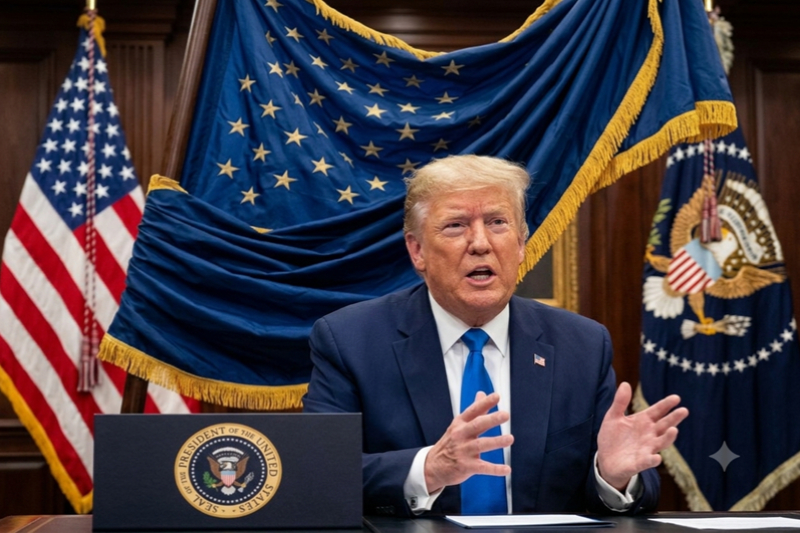
The temporary measure serves as a stopgap after President Donald Trump’s push for a long-term, 18-month extension without amendments collapsed earlier this week.
Despite the President’s significant influence, a faction of civil-liberties-focused Republicans joined Democrats to block the bill, demanding that any reauthorization include a requirement for federal agents to obtain a warrant before searching the data of U.S. citizens.
Senate Majority Leader John Thune acknowledged the impasse following the vote. "We’ve got to pivot and figure out what can pass," Thune told reporters, noting that the Senate is still "figuring out" a path forward that balances national security with constitutional protections.
What is Section 702?
Originally added to FISA in 2008 during the "Global War on Terror," Section 702 grants the National Security Agency (NSA) the authority to intercept the communications of non-U.S. citizens located outside the country. However, this collection often sweeps up "incidental" data—emails, texts, and phone calls—belonging to Americans who are in contact with those foreign targets.
The Controversy:
"Backdoor Searches": Critics label the practice of searching this database for information on Americans without a court-approved warrant as a "backdoor search" that bypasses the Fourth Amendment.
Bipartisan Resistance: Resistance to the law is notably bipartisan. While President Trump argues the tool is vital for protecting troops and preventing "Foreign Terror Attacks," members of his own party, such as Congressman Thomas Massie, have vowed to vote "No" on any bill that lacks a warrant provision.
Trump vs. The "Privacy Hawks"
The debate has created a rare rift between the President and some of his staunchest allies. On Wednesday, Trump took to Truth Social to defend the program, citing consultations with military leaders who claim FISA is a "mechanical necessity" for modern warfare and domestic safety.
However, the "Privacy Hawks" in Congress argue that the history of Section 702 is marred by misuse. These concerns have been amplified by recent news, including the death of former FBI Director Robert Mueller at age 81 and ongoing scrutiny of the intelligence community's role in previous political investigations.
A Crowded Legislative Calendar
The 10-day extension puts immense pressure on Congress to reach a deal by the end of the month. Lawmakers are currently juggling several high-stakes issues that complicate the FISA negotiations:
The Iran Conflict: Lawmakers are monitoring the race for a diplomatic deal before the regional ceasefire deadline.
Tech Regulation: There is a growing push for a moratorium on new AI data centers until federal safeguards are established.
National Security Deaths: The ongoing FBI investigation into the deaths of 11 U.S. scientists has increased the sensitivity surrounding intelligence and "deep state" operations.
If a compromise is not reached by April 30, the U.S. government could face a total "dark period" in its ability to monitor foreign threats, a scenario the White House has warned would be "catastrophic" for national security.