
200 Iranian Sailors Return Home Amid New Naval Threats as Tehran Threatens Shipping in Gulf & Red Sea
WASHINGTON/TEHRAN, April 15, 2026 — In a day of dramatic geopolitical shifts, over 200 Iranian naval personnel have been repatriated from Sri Lanka following a deadly submarine attack, even as Tehran’s military leadership issued a chilling ultimatum to paralyze global maritime trade.
The duality of these events—humanitarian relief on one side and the threat of global economic warfare on the other—highlights the precarious nature of the current U.S.-Iran conflict.
Repatriation After a Month of Limbo
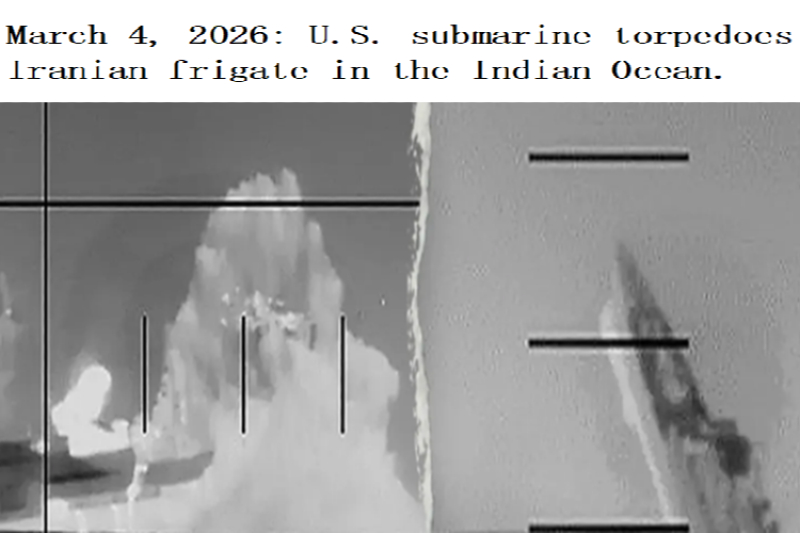
Sri Lanka’s Deputy Defence Minister, Aruna Jayasekara, confirmed today that 238 sailors have finally departed for Tehran. The group includes 32 survivors from the warship IRIS Dena, which was destroyed by a U.S. torpedo on March 4, and 206 crew members from the IRIS Bushehr, which was detained after an engine failure during the height of the hostilities.
The return of these sailors marks the end of a harrowing 40-day ordeal. Following the sinking of the IRIS Dena—which resulted in the tragic deaths of at least 84 personnel—the survivors were granted 30-day emergency entry visas by the Sri Lankan government.
During their stay, the bodies of the fallen were recovered and repatriated via a specially chartered Iranian flight. While the majority of the crew has now returned home, a small skeleton crew remains in Trincomalee to manage the IRIS Bushehr, which remains anchored under Sri Lankan supervision.
Tehran’s "Total Blockade" Warning
The relief surrounding the sailors' return was quickly eclipsed by a massive escalation in rhetoric from Tehran. Major General Ali Abdollahi, commander of Iran’s Khatam al-Anbiya Central Headquarters, countered the U.S.-led naval blockade of Iranian ports with a definitive threat to international commerce.
The commander stated that if Iranian oil and commercial ships continue to face "insecurity" or are prevented from reaching international markets, the Iranian military will exercise its power to shut down all transit through the Persian Gulf, the Sea of Oman, and the Red Sea.
The U.S. Stance: Pressure and Possible Talks
In Washington, President Donald Trump asserted that the U.S. blockade, which began on April 13, is absolute. U.S. Central Command (CENTCOM) reported that no vessels successfully breached the blockade in its first 24 hours, with multiple merchant ships forced to turn back in the Gulf of Oman.
However, in a characteristic shift of tone, Trump also suggested that the war is "very close to over."
As the survivors of the IRIS Dena reunite with their families in Tehran, the world remains on edge. The coming days will determine if the path leads toward the "Pakistan talks" or a total maritime shutdown that could trigger a global economic collapse.
Publishing Details:
SEO Keywords Side-by-Side:
Iranian sailors return 2026 | IRIS Dena torpedo attack | US naval blockade Iran | Ali Abdollahi shipping threat | Red Sea maritime tension | Pakistan US-Iran mediation | Sri Lanka Iranian navy | Global oil price threat