
U.S. Issues 'Combat Restart' Ultimatum to Iran as Blockade Tensions Mount
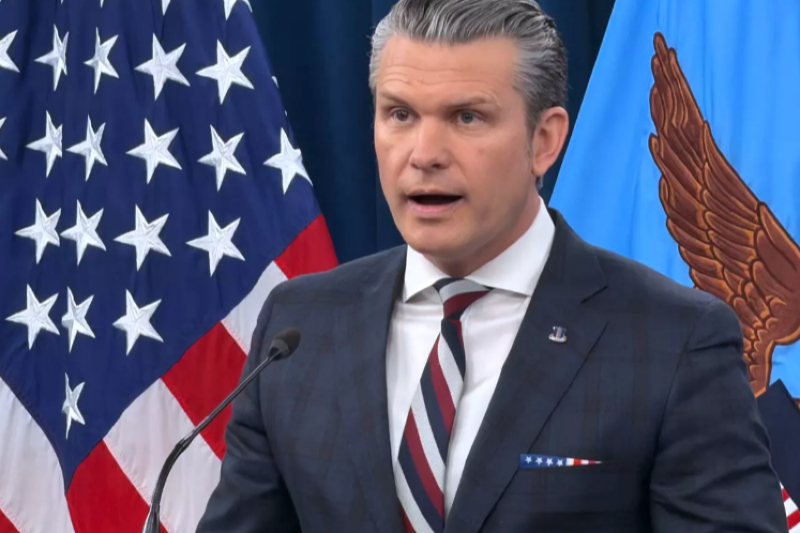
WASHINGTON / TEHRAN – The United States has significantly escalated its rhetoric against Tehran, with Defense Secretary Pete Hegseth warning that American forces are prepared to resume active combat operations if Iran fails to agree to a permanent peace deal. The ultimatum comes as the current Pakistan-brokered ceasefire remains the only buffer between the two nations and a return to full-scale war.
"Operation Economic Fury" and the Battle for Hormuz
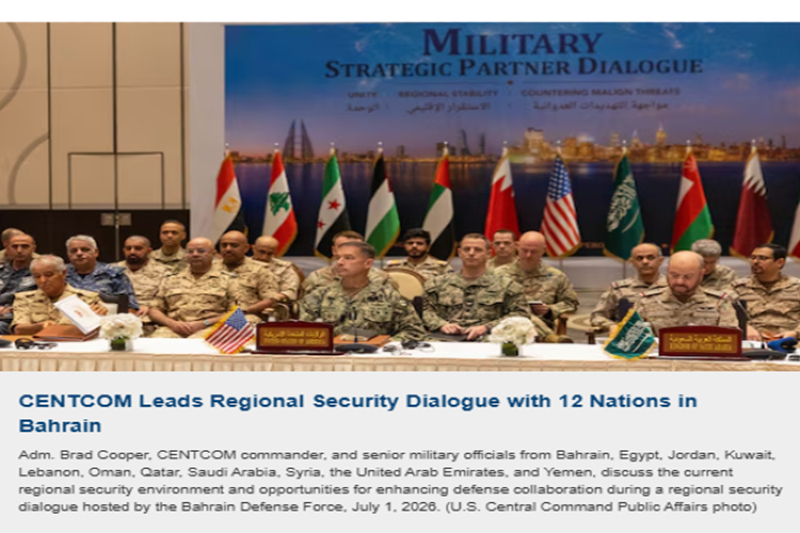
In a major press briefing, U.S. military leaders detailed "Operation Economic Fury," a sustained naval blockade targeting Iranian ports. While U.S. Central Command Admiral Brad Cooper initially claimed that no vessels had breached the blockade in its first 48 hours, independent analysis—including data from Al Jazeera and TankerTrackers—contradicts this.
Reports indicate that at least 31 vessels, including oil and chemical tankers, have crossed the Strait of Hormuz since Monday. Furthermore, Iran has reportedly managed to ship out nine million barrels of crude oil despite the presence of over 10,000 U.S. Marines and sailors. General Dan Caine warned that any future attempts to breach the blockade would be met with force, including warning shots and involuntary boardings.
Lebanon: Ceasefire Hopes Amid Infrastructure Destruction
On the Lebanese front, the situation remains a study in contradictions:
Strategic Bridge Destroyed: The Israeli military has effectively cut Lebanon in half by destroying the Qasmiyeh Bridge in Tyre. The strike killed one person and wounded several others, including a soldier. The UN has warned that this severing of the Litani region will worsen a humanitarian crisis already affecting over one million displaced people.
Talks vs. Attacks: While Israeli media reports suggest the army has been ordered to prepare for a possible ceasefire tonight, hostilities continue. Four paramedics were killed in an Israeli strike in Mayfadoun today, even as high-level talks between Lebanon’s President Aoun and U.S. Secretary of State Marco Rubio take place in Washington.
Hezbollah’s Stance: Internal Lebanese politics remain fractured, with Hezbollah officials labeling the government’s direct negotiations with Israel as a "grave error" and a series of "useless concessions."
Global Diplomatic Maneuvers
The international community is racing to prevent a total regional collapse:
Chinese Intervention: China’s Foreign Minister has urged both Washington and Tehran to return to the negotiating table, citing the "serious impacts" the conflict has had on global energy security. China has also reportedly assured the U.S. that it will not transfer weapons to Iran during the current ceasefire.
World Cup Controversy: FIFA President Gianni Infantino reaffirmed that Iran will participate in the upcoming World Cup in the U.S., despite safety concerns and Iranian requests to move their matches to Mexico.
Senate Vote: In Washington, the U.S. Senate voted down a Democratic resolution that sought to halt the war on Iran until formal Congressional authorization is granted, effectively giving the administration a green light to continue its current military strategy.
As the ceasefire deadline approaches, the focus remains on the "Economic Fury" at sea and whether the diplomatic push by Pakistan and China can soften the rigid stances held by both the White House and Tehran.