
Beijing Issues Stern Warning as Japan Deploys First "Counterstrike" Missiles Near China
BEIJING — The Chinese Foreign Ministry has expressed "serious concern" and issued a sharp rebuke following Japan’s deployment of long-range missiles with offensive "counterstrike" capabilities.
On Wednesday, April 1, 2026, spokesperson Mao Ning warned that Tokyo is veering toward "new militarism," a move she claims threatens the fragile stability of the Indo-Pacific.
The deployment marks a historic departure from Japan’s post-WWII pacifist stance, shifting from a purely defensive posture to one capable of striking targets deep within foreign territories.
New Long-Range Arsenal Becomes Operational
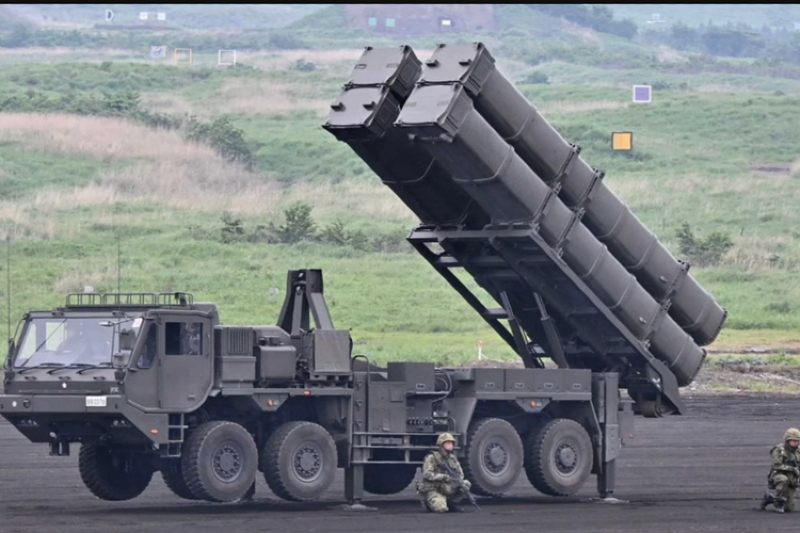
According to defense reports, the Japanese Ground Self-Defense Force (GSDF) has officially brought long-range missile systems into service at two key locations:
Kumamoto Prefecture: Home to the upgraded Type-12 land-to-ship missiles, which now boast a range of approximately 1,000 kilometers (620 miles).
This puts parts of the Chinese mainland and the waters surrounding Taiwan within reach. Shizuoka Prefecture: Deployment of Hyper Velocity Gliding Projectiles (HVGP) at Camp Fuji, designed specifically for high-speed island defense and long-distance deterrence.
Spokesperson Mao Ning argued that these weapons "go far beyond the scope of self-defense," accusing Japan’s right-wing leadership of violating the Cairo Declaration and the Potsdam Proclamation, which defined Japan's post-war boundaries and military limitations.
Embassy Security Breach Strains Ties
The diplomatic friction has been further inflamed by a recent security incident in Tokyo.
"Instead of reflecting on the SDF's mismanagement and loss of control, Japan continues to focus on fomenting external threats to accelerate its military buildup," Mao stated during the press briefing.
Beijing claims that Tokyo is using the narrative of "external threats" to justify an expansionist defense policy that many Japanese citizens and civic groups have publicly opposed.
A Growing "Missile Gap" in the Pacific
Japan’s Defense Ministry, led by Minister Shinjiro Koizumi, has defended the moves as essential to "strengthen deterrence" in the face of a complex security environment.
Beyond the current deployments, Japan reportedly plans to:
Equip Aegis destroyers with U.S.-made Tomahawk cruise missiles later this year.
Expand the range of its domestic gliding projectiles to 2,000 kilometers in future upgrades.
Regional Implications
The international community remains on high alert as the two Asian giants exchange heated rhetoric. China has "sternly urged" Japan to honor its historical commitments and act with prudence, while Tokyo continues to fortify its southwestern islands—a move it views as vital for national survival but Beijing views as a provocative return to 20th-century aggression.
As President Trump prepares for his own address regarding Middle East tensions tonight, the escalating "cold war" in East Asia adds another layer of complexity to the global security landscape in 2026.