
Middle East on Edge: Trump Warns Iran 'Clock is Ticking' as Saudi Arabia and UAE Intercept Drone Attacks

WASHINGTON/ TEHRAN — Geopolitical tensions in the Middle East reached a fever pitch on Monday following a sharp escalation in military activity and severe rhetorical warnings between Washington and Tehran.
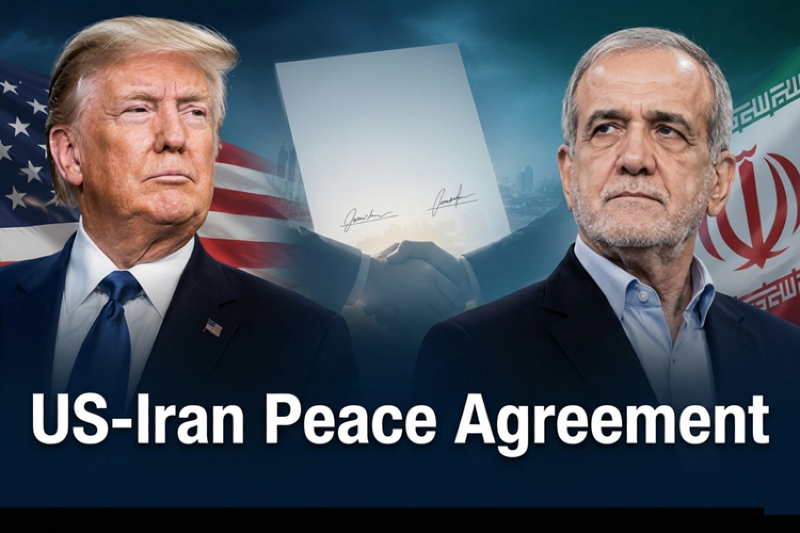
US President Donald Trump issued a blunt ultimatum to Iran via his Truth Social platform, warning that the "clock is ticking" for a comprehensive peace agreement.
Trump explicitly signaled that Tehran needs to move quickly or face devastating consequences, adding, “They better get moving,” or “there won’t be anything left of them”.
In response, Iranian military officials met the threats with open defiance rather than compromise. A spokesperson for Iran’s armed forces stated that any new American aggression would be met with "crushing and severe blows," warning of unexpected offensive maneuvers targeting US assets and military bases across the region.
Observers note that while Tehran is framing its position as a defensive deterrent, the diplomatic window for a peaceful resolution is rapidly closing as both sides harden their stances.
Drone Strikes and Incursions in the Gulf
The war of words coincides with a series of dangerous aerial cross-border attacks impacting key US allies in the Gulf:
Saudi Interceptions: Saudi Arabia announced that its air defense systems successfully intercepted and destroyed three drones. Officials stated the unmanned aircraft were launched from Iraq and warned that the Kingdom reserves the "right to respond at the right time".
UAE Nuclear Plant Target: The United Arab Emirates reported a separate drone attack targeting the vicinity of its Barakah nuclear power plant in the Al Dhafra region. While the facility itself remains safe, the strike ignited a localized fire at an electrical generator outside the inner perimeter.
Regional Fallout and Wider Conflict
The broader regional landscape remains volatile, with heavy casualties reported across multiple fronts:
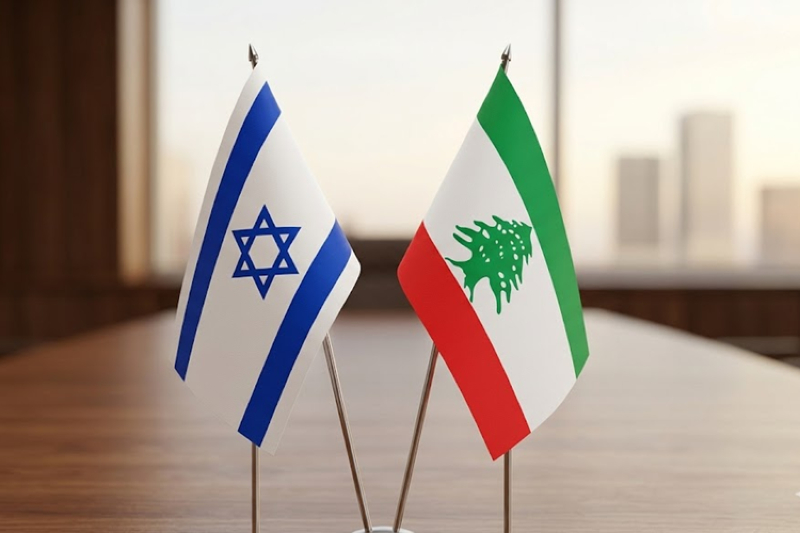
Lebanon Air Strikes: Despite a recent extension of a fragile 45-day ceasefire, Israel continued its aerial bombardment of Lebanon. A targeted strike in the eastern region of Baalbek killed a senior commander of the Palestinian Islamic Jihad alongside his 17-year-old daughter.
Gaza Casualties and Aid Workers: Heavy fighting persists in Gaza, where Israeli forces killed at least eight Palestinians over the past 24 hours. Among the dead are three humanitarian aid workers who were targeted at a charity kitchen in central Deir el-Balah.
West Bank Capital Punishment: In a significant legal shift, the Israeli military has officially issued an order extending a controversial law to the occupied West Bank, allowing the implementation of the death penalty for Palestinians accused of carrying out fatal attacks.
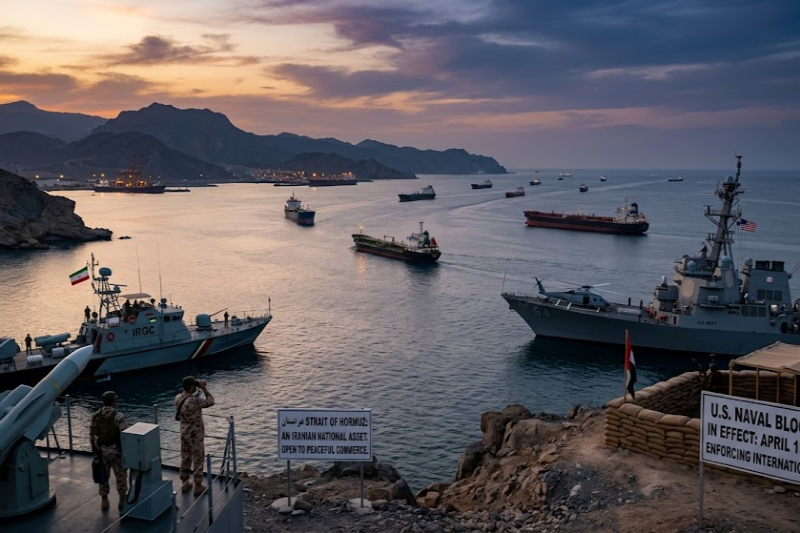
Economic Strains: The fallout is directly impacting local populations. In Bandar Abbas, a vital commercial hub in southern Iran, a tightening maritime blockade in the Strait of Hormuz has severely disrupted trade. Local fishermen and market vendors report soaring costs, broken supply chains, and shrinking consumer demand.
Meanwhile, external players are maneuvering to solidify alliances amid the chaos. Following Tehran's decision to appoint its powerful parliamentary speaker,
Mohammad Bagher Ghalibaf, as a special envoy to China, the Russian ambassador in Vienna publicly urged Iran to appoint a similar high-level special envoy to Moscow to streamline strategic cooperation.