
Andy Burnham Sworn In as MP as Starmer Resignation Triggers Labour Leadership Race
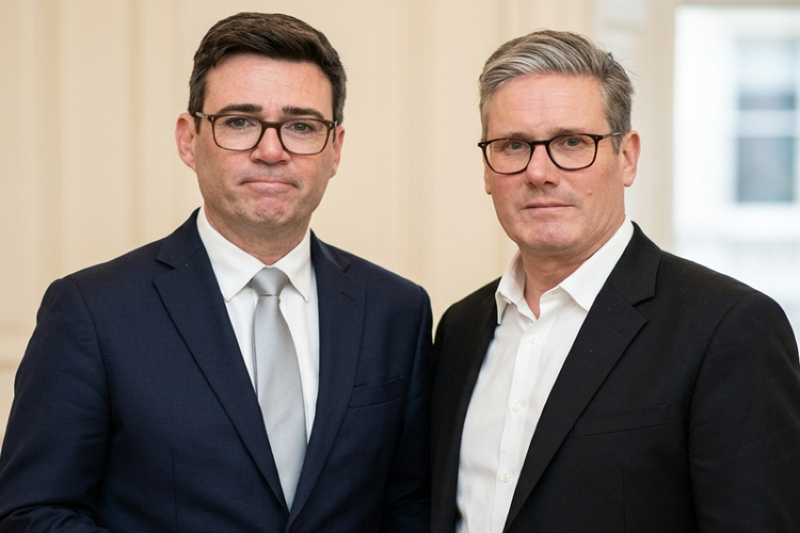
LONDON — In a day of fast-moving political drama, Keir Starmer has announced his resignation as leader of the Labour Party and Prime Minister, clearing the path for former Greater Manchester Mayor Andy Burnham to likely succeed him at Downing Street.
The dramatic shift comes less than two years after Starmer led Labour to a landslide general election victory, following months of intense internal party pressure and a pivotal by-election defeat to Reform UK in May's local elections.
Starmer Steps Down
Speaking outside 10 Downing Street, an emotional Starmer confirmed his departure, stating he accepted "with good grace" that he was no longer the right person to lead the party into the next general election.
Closing his address, Starmer paid a tearful tribute to his family, stating:
"When I leave the biggest job in the country, I shall spend more time on the most important job—being the best husband I can to my fantastic wife, Vic... and being the best dad I can to my beautiful children."
Starmer intends to remain in post until his successor is chosen.
The Rise of Burnham
Hours after the announcement, Andy Burnham was officially sworn in as the new MP for Makerfield—a seat he secured in a high-stakes by-election just last week.
Burnham quickly confirmed his intention to run for the top job, promising to bring "stability, seriousness, and a continued focus" to the country.
A Coronation in the Making?
What was expected to be a fractured, highly contested leadership battle appears to have ended before it even began. Former Health Secretary Wes Streeting—who resigned from Starmer’s government last month and was widely expected to run—shattered expectations by publicly dropping out of the running to endorse Burnham.
Streeting noted that after extensive talks, he was confident Burnham is committed to building an "inclusive party" capable of defeating rising nationalist forces across the UK.
With approximately 200 Labour MPs gathering for a celebratory group photo with Burnham in Westminster Hall shortly after he took his oath, political analysts suggest Burnham could stand entirely unopposed. If no rival candidate emerges, he could bypass a lengthy summer campaign and be securely installed as the UK's next Prime Minister by mid-July.
Immediate Fallout and Reaction
The sudden vacuum at the top of British politics has sent immediate ripples across domestic policy and international diplomacy:
International Delays: A crucial UK-EU summit originally scheduled for July 22 in Brussels has been officially postponed to allow the incoming administration time to prepare.
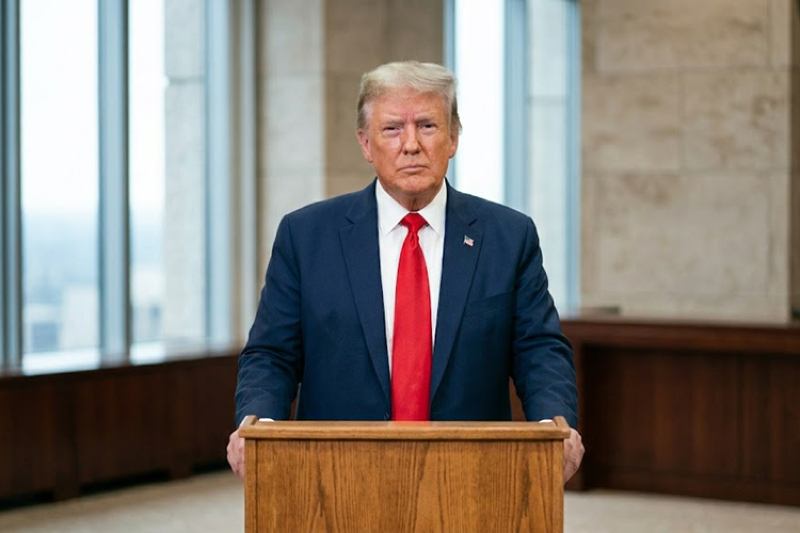
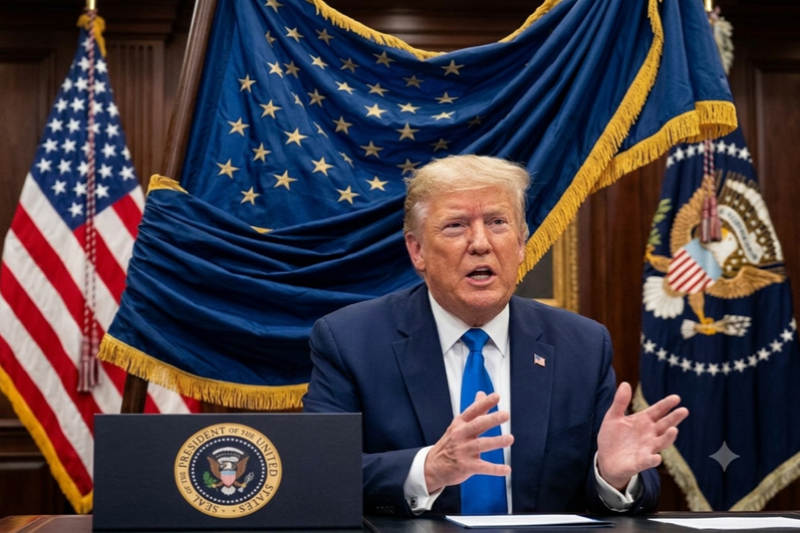
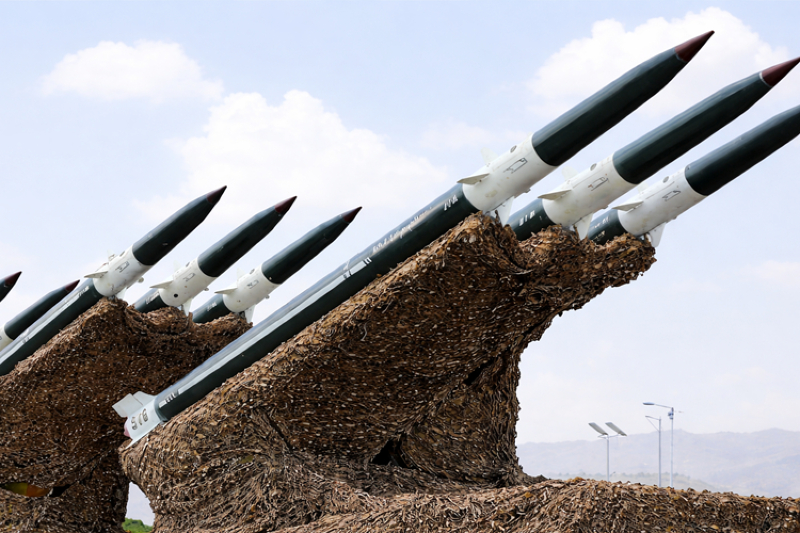
The "Trump Whisperer" Dynamic: Observers are closely watching how a Burnham premiership will impact UK-US relations. Starmer had spent a year carefully managing ties with Donald Trump, though relations soured over military airbase access during recent conflicts in Iran.
Trump noted on social media that Starmer's downfall lay in energy and immigration policies, warning that the next leader must carefully manage the UK’s Defence Investment Plan to keep Washington’s favor.Demands for an Election: Opposition figures, including Conservative leader Kemi Badenoch and Reform UK's Nigel Farage, have criticized the rapid handover.
Critics note that Burnham was elected by a small constituency by-election margin and lacks a direct, nationwide mandate to govern, prompting immediate calls for a fresh general election.
Liberal Democrat leader Ed Davey added that simply "changing the person at the top" would not automatically fix a broken political system.