WASHINGTON / TEHRAN —American forces targeted two Iranian launch sites situated on Larak Island, ending a multi-week pause in direct U.S. strikes within Iranian territory.
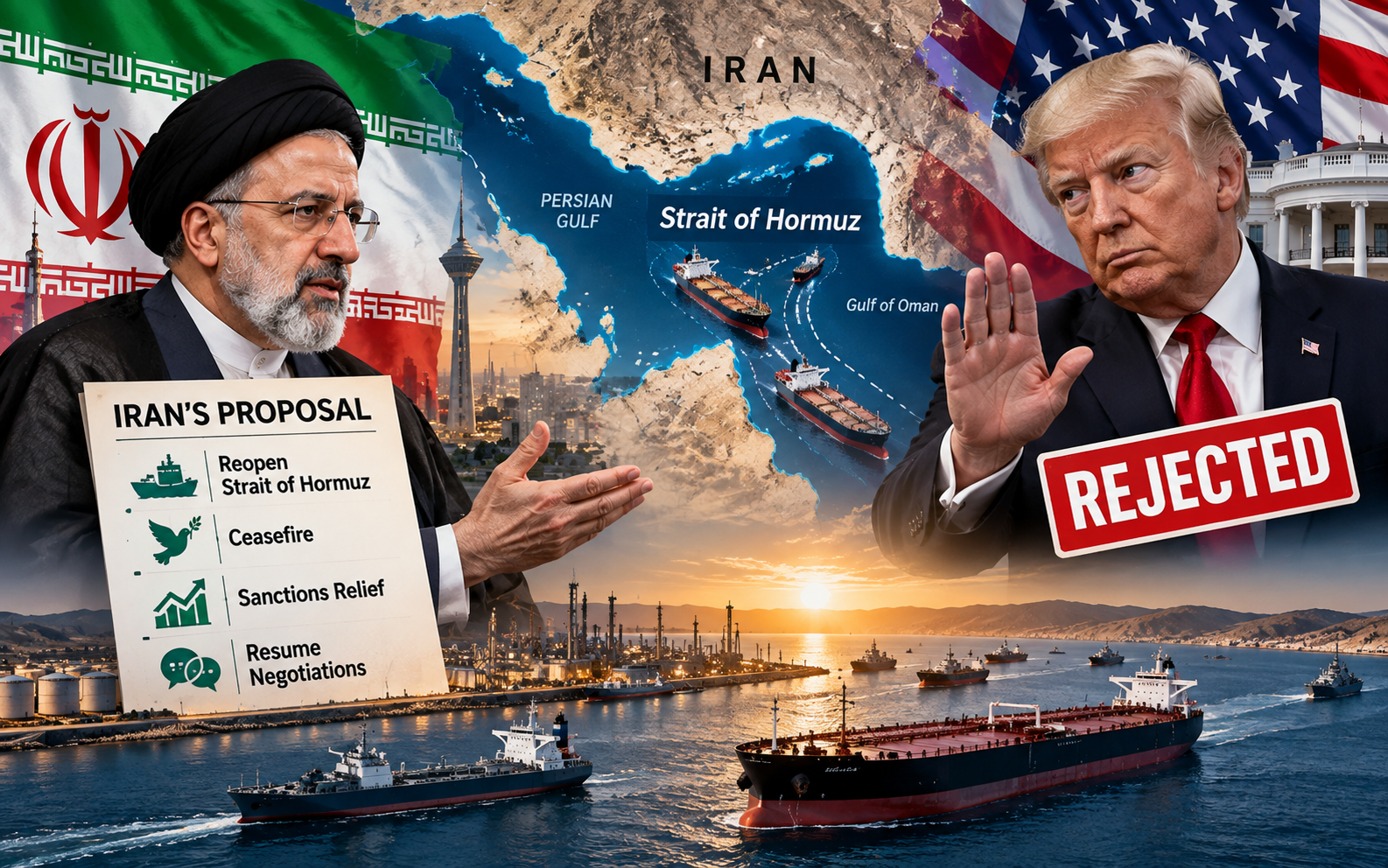
The strategic location lies directly in the Strait of Hormuz—a crucial transit corridor for international maritime energy shipments.
According to statements from U.S. Central Command (CENTCOM), military personnel initiated the precision strike after observing Islamic Revolutionary Guard Corps (IRGC) units making preparations to fire weaponry equipped with naval mines into the shipping lanes. The operation marks the first major direct U.S. military action against Iranian ground assets since late July.
IRGC Vows Retaliation Following Reported Casualties
Iranian state media reported that the strike caused casualties, confirming two deaths and two injuries among personnel on the island. IRGC representatives condemned the operation as a severe miscalculation by Washington, warning that retaliatory measures would follow across both economic and military fronts.
Hours after the incident, regional defense networks detected incoming missile traffic. Iranian armed forces claimed responsibility for launching a salvo of ballistic missiles targeting American operational installations inside Jordan, including King Hussein Air Base and al-Azraq.
Regional Defenses Intercept Counter-Strike
Military officials in Jordan confirmed that air defense systems successfully neutralized eight incoming projectiles that entered the kingdom's airspace early Monday morning. Local defense authorities reported no major critical damage to target infrastructure following the interceptions.
Escalation Risks Along Key Shipping Routes
The strike on Larak Island highlights persistent instability surrounding the Strait of Hormuz, where a significant portion of global liquefied natural gas and crude oil typically transits.
Maritime Control Efforts: Iranian naval units have maintained heightened presence around Larak Island, requiring commercial vessels to undergo inspections to pass through the zone.
Mine Sweeping Operations: The intervention follows recent assertions from Washington that mine-clearing efforts along international lanes were complete, alongside strict warnings against new deployments in the waterway.
Sanctions Pressure: The military exchange coincides with newly expanded economic sanctions designed to further restrict Tehran's financial networks and penalize international trade partners.
Tensions across the region remain high as both nations reinforce defensive postures along critical trade corridors.