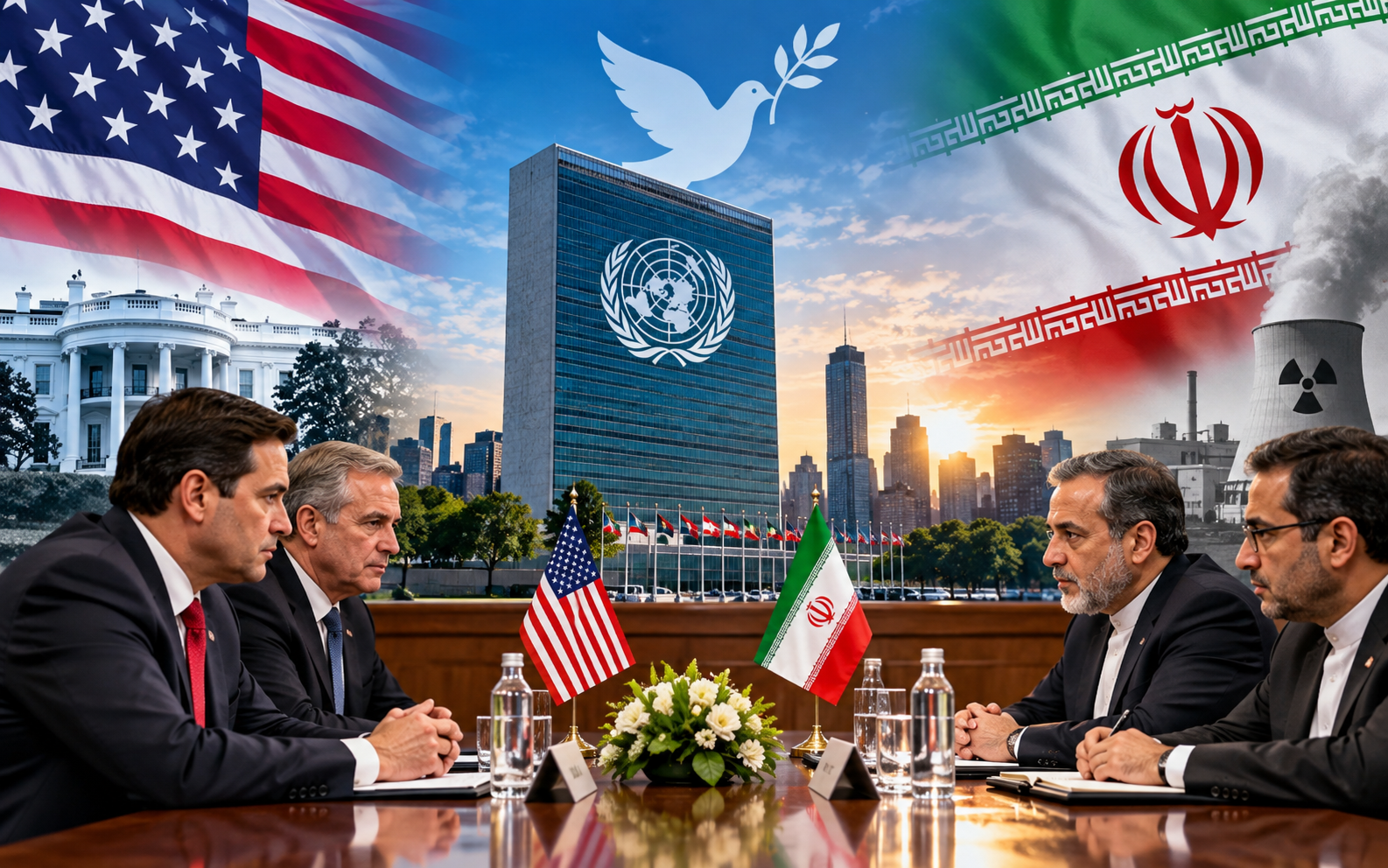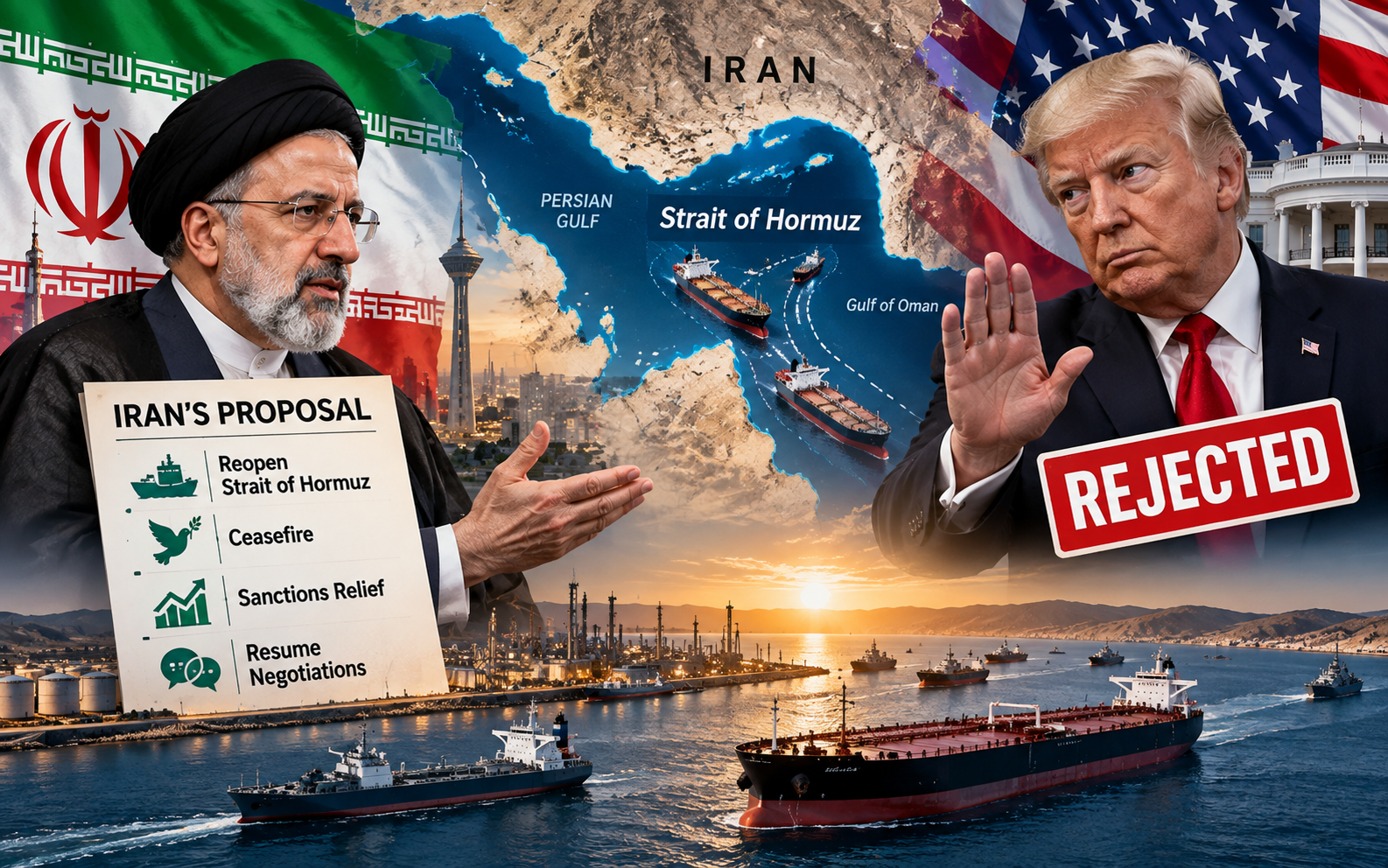
TEHRAN — Iran says it will wait for Washington’s official response through mediators before deciding its next move, despite US President Donald Trump publicly rejecting Tehran’s proposal to reopen the Strait of Hormuz and move towards ending months of regional conflict.
Iranian Foreign Minister Abbas Araghchi said Tehran had taken note of Trump’s public rejection but had yet to receive a definitive US position through the diplomatic channels facilitating negotiations.
He said Iran would make its decision once mediators formally communicated Washington’s response.
Trump confirmed at the White House that he had rejected Iran’s proposal, describing the terms as unacceptable. He argued that Tehran was seeking an agreement because of the economic and military pressure it was facing and wanted the strategic waterway reopened quickly.
Iran presented its latest diplomatic initiative during the United Nations General Assembly in New York.
The proposal was transmitted to Washington through mediators and set out a seven-day process designed to reopen the Strait of Hormuz, halt regional hostilities and restart broader negotiations between Tehran and Washington.
Under the plan, the United States would be required to take several steps, including lifting its naval blockade of Iranian ports, providing sanctions relief for Iranian oil exports and observing a wider ceasefire.
Iran, in return, would reopen the Strait of Hormuz and resume negotiations with Washington.
Araghchi said the preliminary measures could be completed within four to five days after US acceptance.
The strait could then reopen on the sixth day, followed on the seventh day by negotiations on a final agreement covering mutually agreed issues.
The Iranian foreign minister maintained that Tehran would not abandon the conditions it has attached to reopening the waterway.
He said a negotiated settlement remained the only viable way out of the current confrontation.
The Strait of Hormuz is one of the world’s most important energy corridors.
Roughly one-fifth of global oil and gas supplies normally pass through the waterway, but shipping has been severely disrupted since the outbreak of the conflict earlier this year, contributing to pressure on international energy markets and the wider global economy.
Oman, which has been involved in mediation efforts between Washington and Tehran, has urged the parties to maintain dialogue.
Omani Foreign Minister Sayyid Badr bin Hamad bin Hamood Albusaidi called for cooperation to safeguard navigation through the strategic waterway.
Iran has also discussed the situation surrounding the strait with Saudi Arabia, reflecting the broader regional stakes of any agreement restoring normal commercial shipping.
Meanwhile, Iranian President Masoud Pezeshkian has said Tehran remains prepared for negotiations over its nuclear programme and other disputes but would not accept coercion.
He maintained that Iran was not seeking war while insisting that the country would defend itself against attacks and pressure.
The dispute comes after Trump used his address to the UN General Assembly to call on Iran to fully reopen the Strait of Hormuz and return to negotiations, while also warning of further military action if diplomacy failed.
Despite Trump's rejection, Tehran has not formally declared its seven-day initiative dead.
With Iran awaiting Washington’s official position through mediators, diplomatic efforts remain active even as major differences persist over sanctions, the Strait of Hormuz, regional hostilities and Iran’s nuclear programme.