
Trump Postpones Iran Strike Following Diplomatic Pressure During Hajj
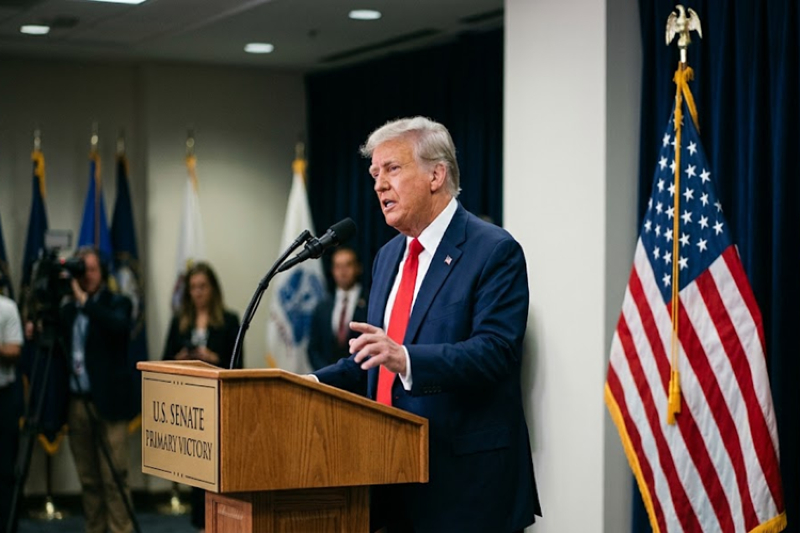
WASHINGTON- President Donald Trump has reportedly delayed a planned military strike on Iran this week after receiving urgent warnings from regional allies and members of his own administration.
The decision follows intense diplomatic pressure aimed at avoiding conflict during the sacred Hajj pilgrimage.
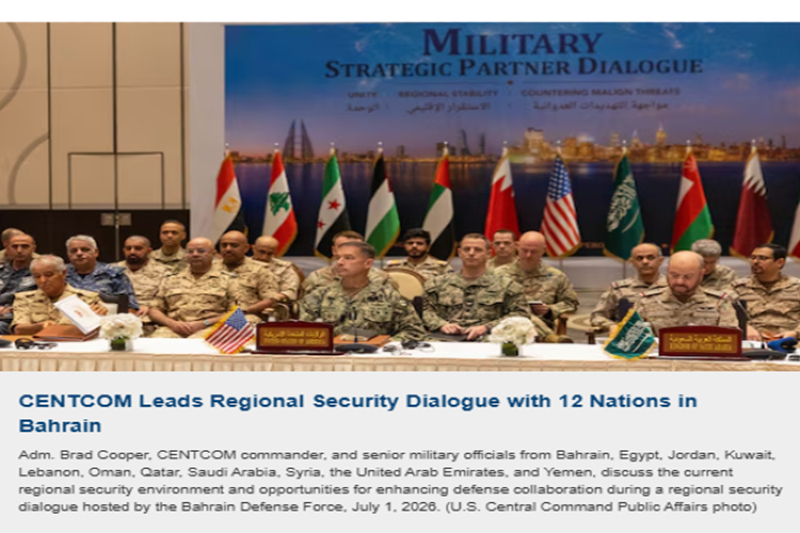
According to reporting by Middle East Eye, senior Gulf officials cautioned the U.S. president that resuming combat operations during the Hajj season would trigger a significant geopolitical crisis.
The warnings highlighted that such an attack would not only jeopardize the safety of hundreds of thousands of pilgrims currently in Saudi Arabia but also cause immense logistical disruption to air travel hubs across the region, including the UAE and Qatar.
Concerns Over Reputational Damage
Beyond the immediate logistical risks, the White House was reportedly advised that launching military action during the holy period—which precedes the festival of Eid al-Adha—would inflict severe "reputational damage" on the United States' standing within the Muslim world.
A senior U.S. official familiar with the internal administration discussions confirmed that these concerns were a central factor in the decision to stand down.
Diplomatic Interventions
President Trump acknowledged the pressure on his Truth Social platform, noting that he had been requested to hold off on military action by a coalition of regional leaders, including the Emir of Qatar, the Crown Prince of Saudi Arabia, and the President of the United Arab Emirates.
While Trump noted that his military assets in the region were "loaded to the brim" and fully prepared for a strike, he signaled that he would provide a window for diplomacy to succeed.
Prospects for a Resumption of Conflict
Despite the temporary reprieve, the path to a lasting peace remains uncertain.
Analysts and regional officials suggest that while the current Hajj window has forced a pause, the resumption of hostilities is widely anticipated once the pilgrimage concludes in late May.
Meanwhile, Tehran continues to harden its stance under the new leadership, and Pakistan-mediated negotiations have yet to produce a breakthrough that would satisfy both Washington’s demands for security in the Strait of Hormuz and Iran’s requirements for sanctions relief and regional stability.