Geneva Talks Stall Over Donbas Control as Russia-Ukraine Divide Remains Deep
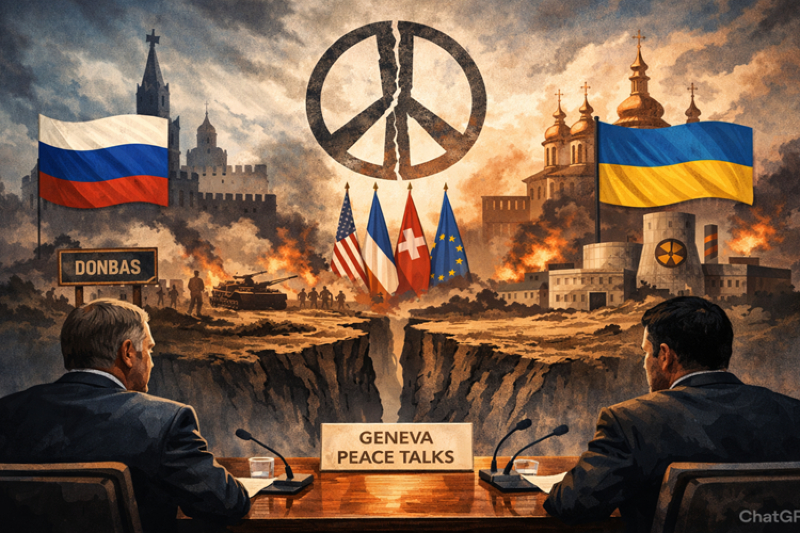
Peace negotiations between Russia and Ukraine ended in Geneva without a breakthrough, with the central sticking point remaining Moscow’s demand for full control of the eastern Donbas region — a condition Kyiv firmly rejects.
The two-day talks, involving Russian, Ukrainian and US representatives, explored several technical and military issues, including ceasefire monitoring and front-line stabilization.
However, despite what officials described as “substantive” discussions, no agreement was reached on the political core of the conflict: territory.
Ukrainian President Volodymyr Zelensky acknowledged that the negotiations were difficult due to the significant gap between the two sides. Kyiv has consistently ruled out surrendering sovereign land in Donetsk and Luhansk, arguing that doing so would weaken national defenses and risk future aggression.
Russia’s delegation maintained its position on territorial control but indicated that further discussions could take place soon. While both sides signaled limited progress on military-related matters, neither announced a framework for a ceasefire.
The United States, which has been leading mediation efforts, has shown increasing impatience with the stalemate. US President Donald Trump recently urged quicker movement toward a resolution, though Zelensky rejected suggestions that Ukraine should rush into concessions.
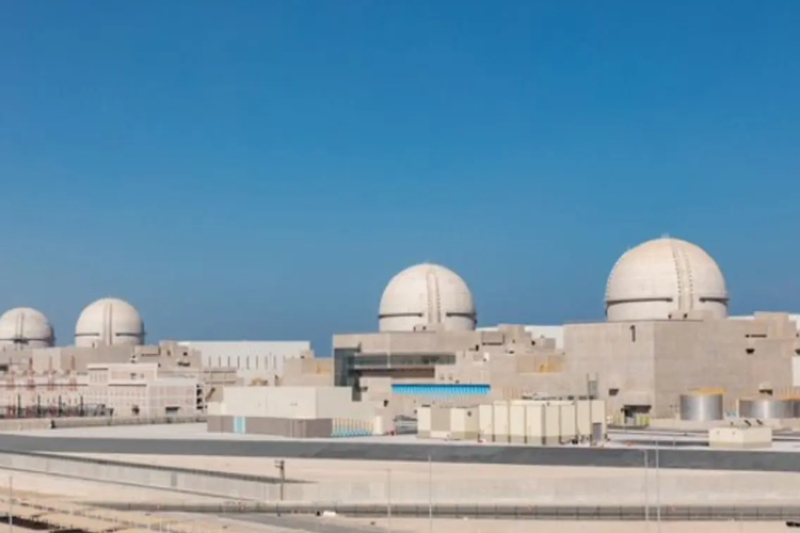
Another unresolved issue is the Zaporizhzhia Nuclear Power Plant, currently under Russian control. Ukraine wants the facility returned and is seeking broader security guarantees from Western allies to prevent renewed hostilities.
As the war nears its fourth year, the Geneva talks underscored a persistent reality: without compromise on territory, a comprehensive ceasefire remains unlikely.
Sources confirmed that high-level talks between Russia, Ukraine and the United States ended in Geneva this week without a breakthrough, highlighting persistent divisions that continue to obstruct a ceasefire nearly four years after Moscow launched its full-scale invasion.
The talks, held over two days in Switzerland, were described by participants as serious but challenging. While there were discussions on military-related matters such as front-line positions and potential mechanisms for monitoring a ceasefire, core political disputes — especially over territory — remain unresolved.
Territory Remains the Central Obstacle
At the heart of the deadlock is Russia’s demand for full control of the Donbas region in eastern Ukraine, which includes Donetsk and Luhansk.
Kyiv has repeatedly rejected any proposal that would formalize the loss of sovereign territory, arguing that such concessions would undermine national security and leave the country exposed to future aggression.
Ukrainian President Volodymyr Zelensky described the negotiations as “not easy,” pointing to the wide gap between the two sides’ positions.
He warned that any agreement perceived as surrendering territory would be unacceptable to the Ukrainian public and suggested that a referendum on such a matter would fail.
For many Ukrainians, territorial compromise is not merely a diplomatic issue but a question of long-term survival. Kyiv fears that relinquishing heavily fortified areas in the east would weaken defensive lines and embolden Moscow.
Limited Progress on Military Issues
Despite the stalemate on territory, Ukrainian negotiators indicated that the discussions were substantive. Areas explored reportedly included technical aspects of a potential ceasefire, such as verification procedures and front-line stabilization.
Russia’s chief negotiator characterized the discussions as “businesslike,” hinting that further meetings could follow soon. However, no concrete timetable or framework for a ceasefire agreement was announced.
The last round of direct engagement between Russian and Ukrainian representatives took place earlier this year in Abu Dhabi, resulting in a prisoner exchange. Ukrainian officials have suggested another swap may be under consideration.
US Pressure and Growing Frustration
The United States, which has been actively mediating, appears increasingly impatient with the lack of visible progress.
US President Donald Trump has publicly urged faster movement toward an agreement, signaling frustration with the prolonged deadlock.
Zelensky pushed back against suggestions that Ukraine should be the party expected to compromise more quickly, calling such expectations “not fair.”
He has consistently emphasized that any peace must be durable and just, not a temporary pause that benefits Russia.
Nuclear Plant and Security Guarantees in Focus
Another major point of contention is the future of the Zaporizhzhia Nuclear Power Plant, Europe’s largest, which has been under Russian control since 2022. Kyiv wants the facility returned and has floated the possibility of shared oversight with international partners — a proposal unlikely to gain Moscow’s approval.
Beyond territory and infrastructure, Ukraine is seeking strong security guarantees from Western allies to deter renewed aggression.
European countries including Britain, France, Germany and Italy were present in Geneva and held parallel consultations with Ukrainian officials. Zelensky has insisted that European participation is essential to any lasting settlement.
War Enters Fourth Year
As the conflict approaches its fourth anniversary, the humanitarian and military toll remains severe. Tens of thousands have been killed, millions displaced, and daily attacks continue across Ukrainian cities and infrastructure.
While the Geneva talks kept diplomatic channels open, they highlighted the enduring gap between Moscow’s strategic objectives and Kyiv’s vision of a just peace. For now, negotiations continue — but a comprehensive settlement remains out of reach.
Here are the key points of difference between Russia and Ukraine in the current peace negotiations:
1. Control of Donbas (Core Dispute)
Russia’s position: Full control and international recognition of the Donetsk and Luhansk regions.
Ukraine’s position: No surrender of sovereign territory; rejects any formal loss of Donbas.
2. Territorial Recognition
Russia: Wants occupied territories legally recognized as Russian.
Ukraine: Demands restoration of internationally recognized borders.
3. Ceasefire Terms
Russia: Seeks terms that reflect current battlefield realities.
Ukraine: Wants a ceasefire tied to territorial integrity and security guarantees.
4. Security Guarantees
Ukraine: Demands strong, binding security guarantees from Western allies to prevent future invasion.
Russia: Opposes expanded Western military involvement near its borders.
5. Zaporizhzhia Nuclear Power Plant
Ukraine: Wants the plant returned and possibly placed under international or joint supervision.
Russia: Maintains control and has shown no indication of transferring authority.
6. Pace and Structure of Negotiations
United States (Mediator): Pushing for faster progress toward a deal.
Ukraine: Insists peace must be “just and durable,” not rushed.
Russia: Signals willingness to continue talks but without altering core demands.
7. Long-Term Political Settlement
Ukraine: Seeks a peace deal that deters future aggression.
Russia: Aims to secure strategic and territorial gains achieved during the war.