
Navalny Poisoning Findings Confirm Murder, Says Mother
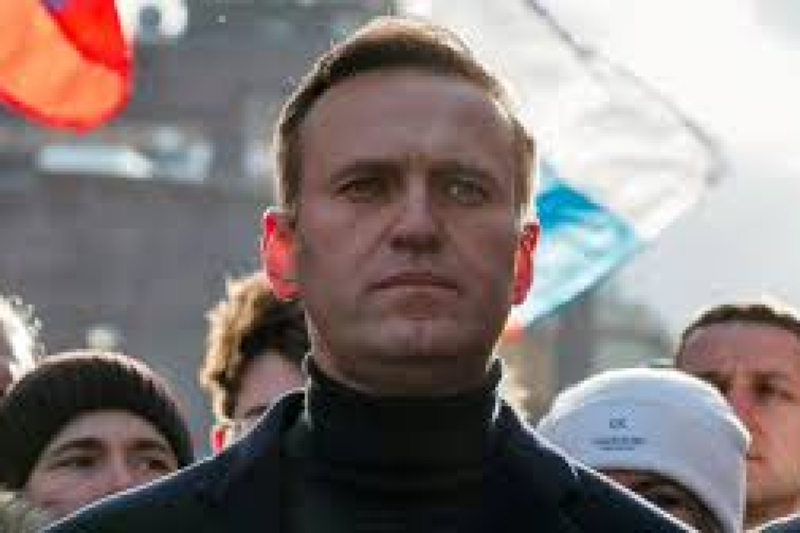
Lyudmila Navalnaya, mother of the late Russian opposition leader Alexei Navalny, said Monday that the recent confirmation of her son’s death by poisoning has validated what she believed all along: that he was murdered.
Speaking at his grave in Borisovskoye Cemetery in Moscow on the second anniversary of his death, Lyudmila said, “We knew from the very beginning that our son did not simply die in prison — he was murdered.”
The statement came after a joint assessment by the United Kingdom and European allies concluded that Navalny was killed using a rare poison derived from dart frog toxin, emphasizing that “only the Russian state had the means, motive and opportunity” to carry out the act.
Navalny, 47 at the time of his death, had been serving a 19-year sentence in the Polar Wolf penal colony in Siberia for charges of “extremism.” Known internationally as Russia’s most prominent opposition figure, he had survived a previous poisoning in 2020 with the Novichok nerve agent, which required hospitalization in Germany.
Family and Supporters Seek Justice
Navalny’s widow, Yulia Navalnaya, marked the anniversary on social media, writing, “We have achieved truth and we will achieve justice one day too.” She had previously revealed that biological samples smuggled out of Russia and analyzed in foreign laboratories confirmed her husband’s murder.
Dozens of Muscovites and foreign diplomats visited Navalny’s grave, laying flowers and leaving notes such as “Alexei, we remember you every day.” The scene reflected both mourning and defiance, as public gatherings in Russia increasingly face government repression.
Kremlin Rejects Allegations
The Russian government continues to deny any wrongdoing. Kremlin spokesperson Dmitry Peskov said Monday, “We do not accept such accusations. We consider them biased, unfounded, and we resolutely reject them.”
Despite Kremlin statements, Navalny’s legacy continues to resonate inside Russia and abroad. His courageous campaigns exposing government corruption had drawn hundreds of thousands of supporters to the streets and earned him recognition as a symbol of opposition to President Vladimir Putin’s administration.
The Human Cost of Opposition
Following Navalny’s death, repression of dissent in Russia has intensified. Many of his colleagues have been jailed or forced into exile, and anti-government expression — from protests to social media commentary — is met with long prison sentences. Navalny’s widow now leads the Anti-Corruption Foundation from abroad alongside their two children, continuing his mission in challenging conditions.
Experts say that Navalny’s death, confirmed as murder by Western analysis, underscores the perilous state of political opposition in Russia and the growing divide between the Kremlin and international human rights standards.