

Adulterated Food Alarms Push Indian Consumers Toward Organic and Homemade Options
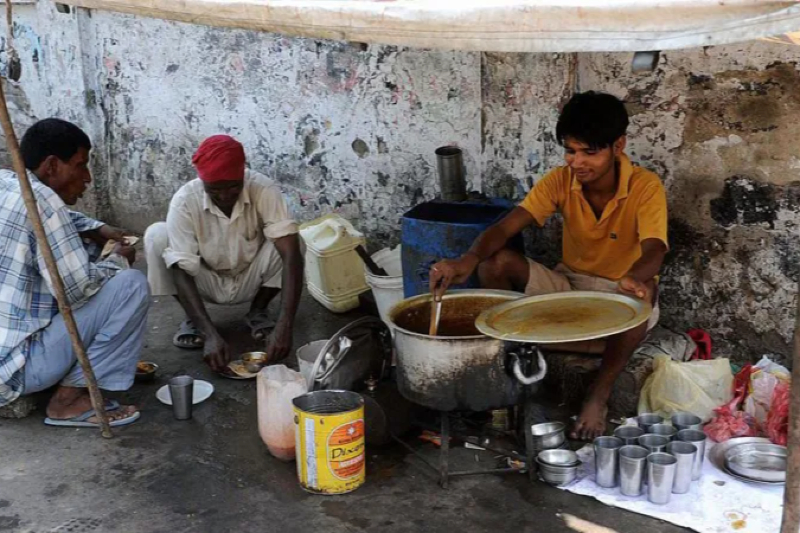
India’s food safety regulations are among the most comprehensive in the world, yet growing fears over adulterated and low-quality food products are forcing many families to rethink what ends up on their dining tables.
In cities like Delhi, Mumbai and Hyderabad, middle-class households are increasingly turning to homemade spices, dairy products and directly sourced grains as trust in packaged and loose market food declines. Consumers say the shift is no longer about traditional cooking habits or lifestyle choices — it is about safety.
In a small kitchen in Delhi, 55-year-old Nirmal Rao now spends part of her evenings drying turmeric and grinding spices by hand. Like many urban consumers, she believes store-bought ingredients can no longer be trusted completely.
Her concerns reflect a larger national issue. Government testing records from recent years show that a significant number of food samples collected across India failed to meet official safety standards. Authorities have also cancelled the licences of hundreds of food businesses during this period due to violations linked to hygiene, adulteration and labelling problems.
Food safety raids conducted in different states continue to uncover disturbing practices. In one recent operation in Hyderabad, officials reportedly seized thousands of kilograms of adulterated tea powder allegedly mixed with synthetic colouring agents and expired ingredients to increase profits.
The Hidden Risks Inside India’s Food Chain
Experts say food adulteration in India is not a new problem, but the scale and complexity have changed. Earlier, contamination cases mostly involved diluted milk or impurities in grains. Today, investigations often reveal chemicals, detergents and industrial dyes being used in everyday food items.
India’s Food Safety and Standards Authority (FSSAI), established under the Food Safety and Standards Act of 2006, oversees food production, storage and sales. While the law requires food businesses to maintain standards and undergo inspections, experts argue that enforcement remains inconsistent, especially in the vast informal market.
A major challenge lies in tracking unpackaged food products sold in loose quantities, including spices, oil and flour. These goods often pass through multiple small vendors and unregistered suppliers, making it difficult for regulators to identify the source once contamination is detected.
Food safety specialists also warn that routine testing systems are vulnerable to manipulation. Since many businesses are required to submit samples only once or twice a year, some allegedly ensure only the inspected batch meets quality standards.
Why Consumers Are Paying More for “Safe Food”
As public anxiety grows, premium food brands and organic suppliers are witnessing increased demand. Many consumers now prefer expensive branded products or farm-to-home delivery services, believing they offer better quality control and transparency.
Mumbai resident Tiash De says she intentionally buys costlier products despite the financial pressure because it gives her greater confidence about food quality. Similar trends are visible across India’s urban centres, where the organic food market is expanding rapidly.
Doctors caution that the long-term impact of consuming adulterated food can be serious. Unlike food poisoning, repeated exposure to contaminated ingredients may silently contribute to liver damage, kidney complications, hormonal imbalance and chronic diseases over time.
Experts believe social media has amplified public awareness of food safety issues, spreading reports of raids and contamination faster than ever before. However, they also argue that lasting improvement will depend not only on regulation but also on consumer pressure and ethical business practices.
For many families, the safest option now seems to be bringing parts of food production back into their own kitchens — even if it demands extra time, effort and expense.