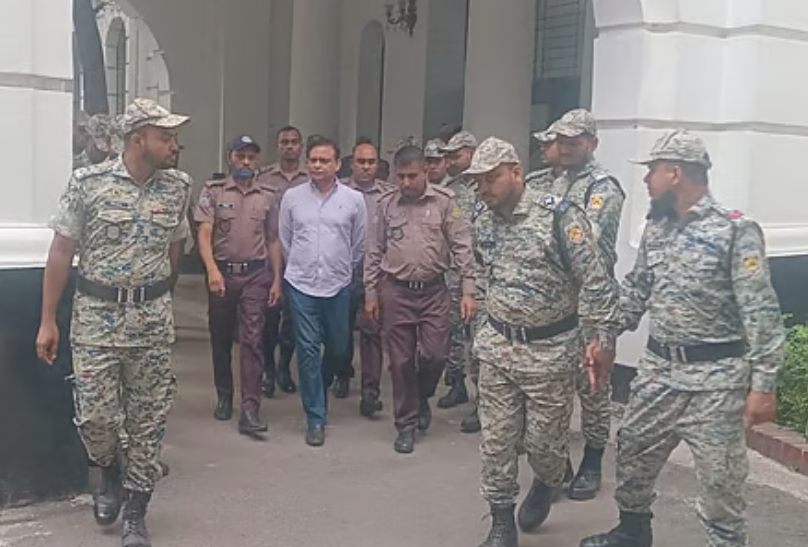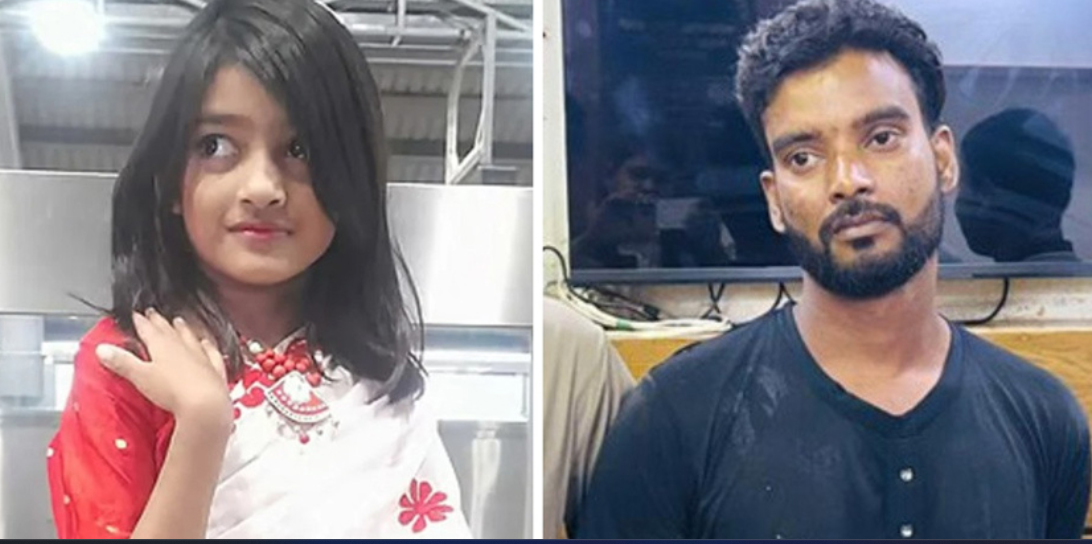
DHAKA, November 17, 2026: The High Court on Tuesday upheld the death sentence of Sohel Rana for the rape and brutal murder of an eight-year-old girl in the capital's Pallabi area, while acquitting his wife, Swapna Akter, who had also been sentenced to death by a trial court.
A High Court bench comprising Justice Bhishmadev Chakraborty and Justice KM Rashedulzzaman Raja delivered the verdict after hearing the death reference and appeals filed by the two convicts.
The ruling confirms the capital punishment awarded to Sohel Rana by the lower court but overturns the conviction and death sentence previously imposed on Swapna Akter.
The case arose from the rape and murder of an eight-year-old girl in Pallabi, Mirpur, on May 19, 2026. The incident drew widespread public attention and prompted demands for swift justice.
Trial Court Sentenced Both Accused to Death
On June 7, 2026, the Dhaka Metropolitan Children Violence Prevention Tribunal sentenced both Sohel Rana and his wife Swapna Akter to death in connection with the child's rape and murder.
The tribunal also imposed financial penalties of Tk 500,000 on Sohel and Tk 200,000 on Swapna.
The judgment was delivered just 19 days after the crime, marking a notably rapid conclusion to the trial proceedings.
However, the death sentences required mandatory examination and confirmation by the High Court before they could be carried out.
Following the trial court's judgment, the case records were forwarded to the High Court for the necessary legal proceedings.
High Court Reviews Death Reference and Appeals
Under Bangladesh's criminal justice system, a death sentence imposed by a trial court cannot be executed without confirmation from the High Court.
This mandatory judicial review is known as a death reference.
The process allows the higher court to examine the evidence, legal arguments and findings of the trial court before deciding whether the capital punishment should be confirmed, modified or overturned.
In the Pallabi case, the trial court's judgment and relevant documents reached the High Court's death reference section on June 9.
The matter was subsequently registered for judicial consideration.
Meanwhile, Sohel Rana and Swapna Akter separately challenged their convictions by filing jail appeals through the prison authorities on June 11.
On June 14, a two-member High Court bench heard arguments concerning the admissibility of the appeals and accepted both for hearing.
State-Appointed Lawyers Represented Convicts
As part of the preparations for the High Court proceedings, a paper book containing the case records and relevant documents was prepared.
State-appointed defence lawyers were also assigned to represent Sohel Rana and Swapna Akter during the judicial review.
The High Court subsequently examined the death reference alongside the appeals filed by the two accused.
After completing the hearings, the bench delivered its judgment on Tuesday.
The court upheld the death penalty imposed on Sohel Rana but acquitted Swapna Akter of the charges in the case.
The reported judgment did not immediately provide detailed reasoning explaining the distinction between the court's findings concerning the two accused.
Eight-Year-Old Girl Killed in May
The case concerns the rape and murder of an eight-year-old girl in the Pallabi area of Dhaka on May 19, 2026.
Following the incident, the victim's father filed a criminal case with Pallabi Police Station.
The crime generated widespread concern over violence against children and the need to ensure accountability for serious offences.
Prime Minister Tarique Rahman visited the victim's family residence on May 21, two days after the incident.
The case subsequently proceeded through the trial court, resulting in death sentences against both accused on June 7.
High Court Verdict Changes Legal Position of Two Accused
Tuesday's judgment represents a significant development in the case, confirming the trial court's capital punishment against Sohel Rana while setting aside the conviction of Swapna Akter.
The ruling also illustrates the importance of the mandatory death reference process, through which the High Court independently reviews death sentences awarded by lower courts.
Although Sohel's death sentence has been confirmed by the High Court, further legal remedies may remain available under Bangladesh's judicial system.
The verdict brings the High Court stage of the proceedings to a close, subject to any further appeals or legal challenges.