
Who is Mohammad Bagher Ghalibaf? The "Pragmatic Hardliner" Leading Iran’s High-Stakes Talks with the U.S.
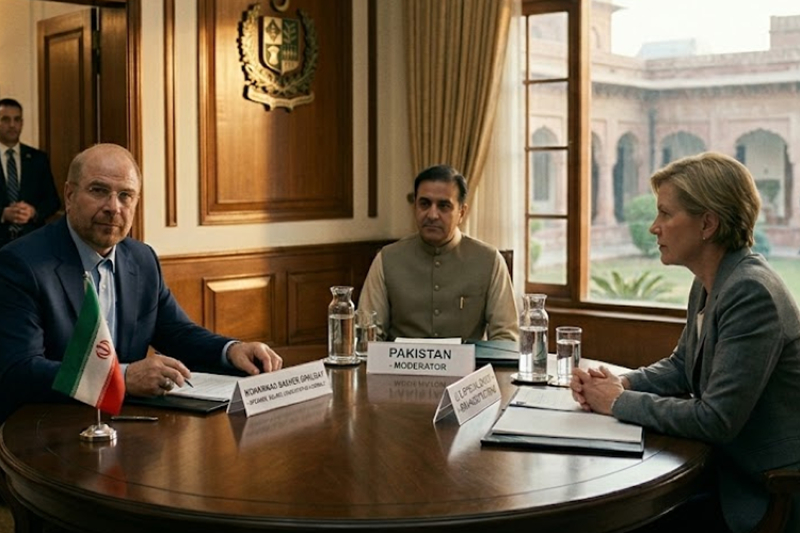
As the shadow of war looms over the Middle East, a familiar yet formidable figure has emerged at the center of Iran’s survival strategy.
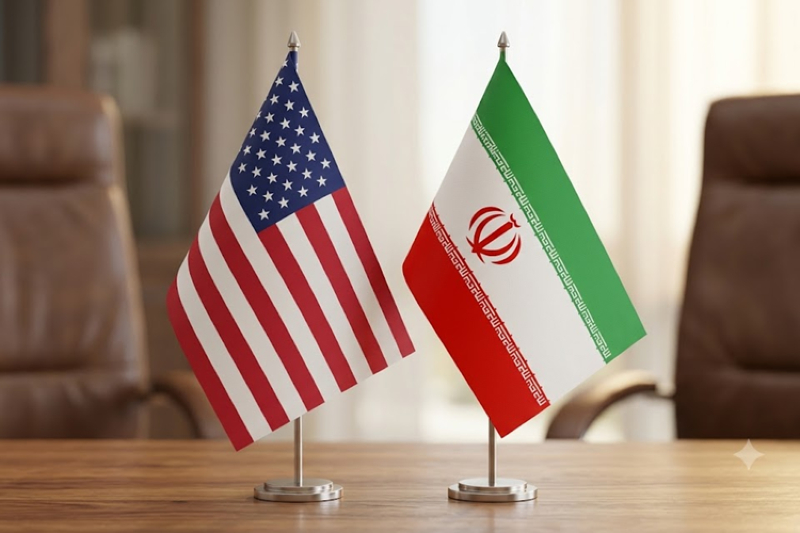
Mohammad Bagher Ghalibaf, the 64-year-old Speaker of the Iranian Parliament, has reportedly been entrusted with the critical task of managing indirect negotiations with the United States.
This development, first highlighted in a detailed profile by BBC Bangla, suggests a significant shift in Tehran’s internal power dynamics following the loss of several high-ranking officials in recent Israeli and U.S. strikes.
Ghalibaf is now viewed as the "man who can be worked with"—a rare bridge between Iran’s revolutionary elite and the pragmatic requirements of international diplomacy.
The "Survivor" of the Hit List
According to diplomatic sources in Pakistan—a key mediator between Washington and Tehran—Ghalibaf, along with Foreign Minister Abbas Araghchi, was specifically omitted from recent Israeli "target lists."
The rationale provided to the U.S. was simple: if the pragmatic negotiators are eliminated, there will be no one left to talk to. Consequently, Washington reportedly pressured Israel to stand down regarding Ghalibaf, preserving a channel for a potential de-escalation of the month-long conflict.
From Revolutionary Soldier to "Stick-Wielding" Commander
Ghalibaf’s journey is deeply rooted in the 1979 Islamic Revolution. Born into a working-class religious family near Mashhad, he joined the Islamic Revolutionary Guard Corps (IRGC) at just 20 years old during the Iraq-Iran war.
Military Pedigree: By 22, he was a combat division commander. By 1997, he led the IRGC Air Force.
The 1999 Crackdown: Ghalibaf is famously (and infamously) known for his role in suppressing the 1999 student protests. In leaked audio, he once boasted about personally taking to the streets on a 1,000cc motorbike with a stick to "pridefully" crush dissent.
The Political General: He was one of the two commanders who drafted the 1999 letter to then-President Mohammad Khatami, threatening a military coup if the government did not end the civil unrest.
The Architect of Modern Tehran: Success and Scandal
At age 39, Ghalibaf became Iran's Police Chief, modernizing the force with foreign vehicles and a national emergency hotline. However, his longest-lasting legacy remains his 12-year tenure as the Mayor of Tehran (2005–2017).
| Achievement | Controversy |
|---|---|
| Massive expansion of the Tehran Metro system. | Accusations of selling government property at 50% discounts. |
| Modernization of the 'Sadr Expressway'. | The 2017 Plasko Building collapse, killing 20 firefighters. |
| Reputation as a "Jihadi Organizer" (efficient worker). | The 2022 "Babygate" scandal involving luxury shopping in Turkey. |
Despite numerous corruption allegations and four failed presidential bids (2005, 2013, 2017, and 2024), Ghalibaf has remained "untouchable" in Iranian politics, currently serving as the Speaker of Parliament since 2020.
Why Ghalibaf Matters Now
U.S. officials, according to reports by Politico, view Ghalibaf as a "functional partner." Unlike the more ideological hardliners, Ghalibaf is seen as a technocrat who understands the language of power and infrastructure.
His deep ties to the IRGC ensure he has the "muscle" to back up any diplomatic promises, while his academic background (a PhD in Political Geography) and his experience as a pilot give him a worldly perspective that many in the Iranian clergy lack.
Conclusion: The Last Man Standing?
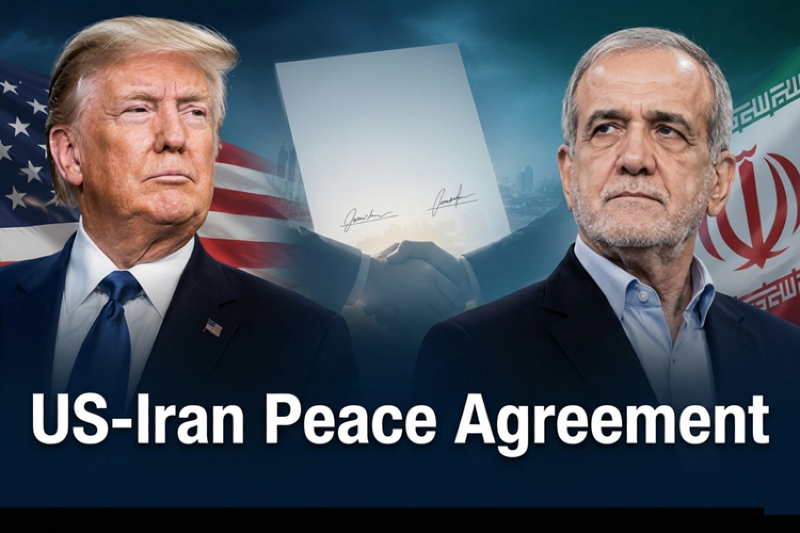
As Donald Trump threatens Iran’s energy hubs and Pakistan mediates the "Islamabad Initiative," Ghalibaf’s ability to coordinate between the military, the Parliament, and international mediators makes him the most pivotal figure in Tehran today. Whether he can secure a peace deal while maintaining his "hardliner" credentials remains the biggest gamble of his 45-year career.
The Strategic Drift from Hardline Circles
In recent years, Ghalibaf has navigated a complex path within Iran's internal politics, often distancing himself from the most extreme factions of the conservative camp. While he remains a pillar of the revolutionary establishment, his 2024 presidential bid faced significant pushback from fellow hardliners who urged him to withdraw. This internal friction highlights his shift toward a "results-oriented" ideology. By branding himself as a "Jihadi Organizer," Ghalibaf prioritizes bureaucratic efficiency and military pragmatism over pure theological rhetoric, a trait that makes him a more legible partner for Western negotiators.
The Resilience Against Scandal and "Babygate"
Despite a career marked by administrative success, Ghalibaf has not been immune to controversy. His reputation took a significant hit in 2022 during the "Babygate" scandal, when photos of his family returning from a luxury shopping trip in Turkey with a massive haul of designer baby goods went viral. At a time when the Iranian public was struggling under crushing economic sanctions, the images sparked nationwide outrage and accusations of hypocrisy. However, Ghalibaf’s political survival skills are notable; despite these scandals and accusations of property mismanagement during his time as Mayor, he has consistently avoided impeachment or legal ousting, reclaiming the Speaker’s chair in 2024.
The IRGC Connection: A Military-Civilian Conduit
Ghalibaf’s most potent asset is his unbreakable bond with the Islamic Revolutionary Guard Corps (IRGC). His transition from a battlefield commander in the 1980s to the head of the Air Force has earned him the absolute trust of the military elite. In the current climate of escalating tensions with Israel, Ghalibaf serves as the essential marrow between Iran’s armed forces and its civilian government. His ability to speak the language of the barracks while sitting in the halls of Parliament ensures that any diplomatic concessions made at the table have the necessary military backing to be enforced.
A Pilot’s Perspective on Global Geopolitics
What sets Ghalibaf apart from his contemporaries is his academic and professional versatility. As a certified pilot and a PhD holder in Political Geography, he possesses a technical understanding of logistics and international borders that few in the Iranian clergy can claim. U.S. policymakers view this background as a sign of a technocrat who understands the material costs of war and the logistical benefits of trade. His role in the Pakistan-mediated "Islamabad Initiative" suggests that Tehran is looking for an "honorable exit"—a way to preserve its regional influence while stabilizing an economy pushed to the brink.
Fast Facts: Mohammad Bagher Ghalibaf
Age: 64
Current Role: Speaker of the Iranian Parliament
Key Strength: Trusted by the Supreme Leader and the IRGC; viewed as a "pragmatist" by the West.
Key Weakness: History of corruption scandals and association with violent crackdowns on protesters.