

US Antitrust Chief Resigns Amid Growing Tensions with Trump Administration
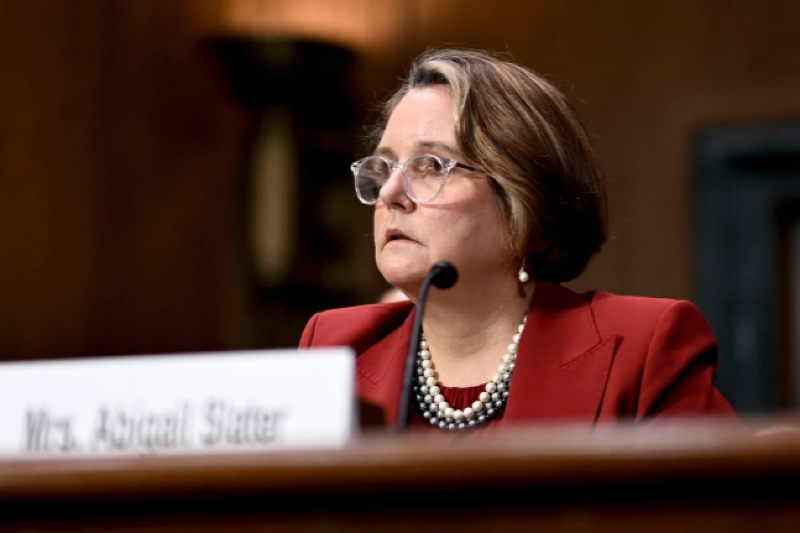
Feb 13, 2026: Gail Slater, the top official in charge of antitrust enforcement at the US Department of Justice (DOJ), has announced her resignation, raising concerns about the future of high-profile cases against major corporations.
Slater, appointed last year by US President Donald Trump to lead the DOJ’s antitrust division, shared the news on social media Thursday, saying, “It is with great sadness and abiding hope that I leave my role.”
The DOJ confirmed her departure but declined to comment on the reasons behind it. Attorney General Pam Bondi praised Slater’s work, saying, “We thank Gail Slater for her service to the Antitrust Division, which works to protect consumers, promote affordability, and expand economic opportunity.”
Slater had received bipartisan support during her Senate confirmation last year and played a key role in enforcing laws aimed at promoting competition and curbing illegal monopolies. The division is currently pursuing lawsuits against major companies including Live Nation, Visa, and Apple.
However, her resignation highlights ongoing tensions within the DOJ. Critics say senior Trump administration officials have overruled antitrust leaders on enforcement decisions, favoring a softer approach to corporate mergers.
Concerns over interference became public last summer when the DOJ dropped a lawsuit challenging Hewlett-Packard Enterprise’s $14 billion acquisition of Juniper Networks, reportedly after appeals to top officials. Following that decision, several antitrust leaders, including Slater’s deputy Roger Alford, were removed from their posts. Alford later described the situation as a “battle being fought within the Department of Justice.”
Democratic Senator Elizabeth Warren criticized Slater’s departure, calling it “looks like corruption” and urging Congress to investigate the administration’s actions.
Legal experts warn that the uncertainty surrounding the DOJ’s antitrust enforcement could create challenges for businesses.
John Newman, a law professor at the University of Memphis, said companies that aim to follow the law could face confusion, while others less concerned with compliance might benefit. “If you’re an honest business trying to comply with the laws, this kind of uncertainty is the worst-case scenario,” he said.
Slater’s resignation marks the latest in a series of leadership changes at the DOJ’s antitrust division, raising questions about the administration’s commitment to regulating corporate power.