
Middle East Crisis: Diplomatic Push in Beijing as Conflict Escalates in Tel Aviv and Baghdad
BEIJING/TEL AVIV — A high-stakes diplomatic effort to end the five-week-old war involving the United States, Israel, and Iran intensified today as Pakistan’s top diplomat arrived in China to broker a peace framework. The diplomatic mission comes amid a surge in regional violence, including fresh strikes on Tel Aviv and the kidnapping of a foreign journalist in Iraq.
China and Pakistan Propose 5-Point Peace Plan
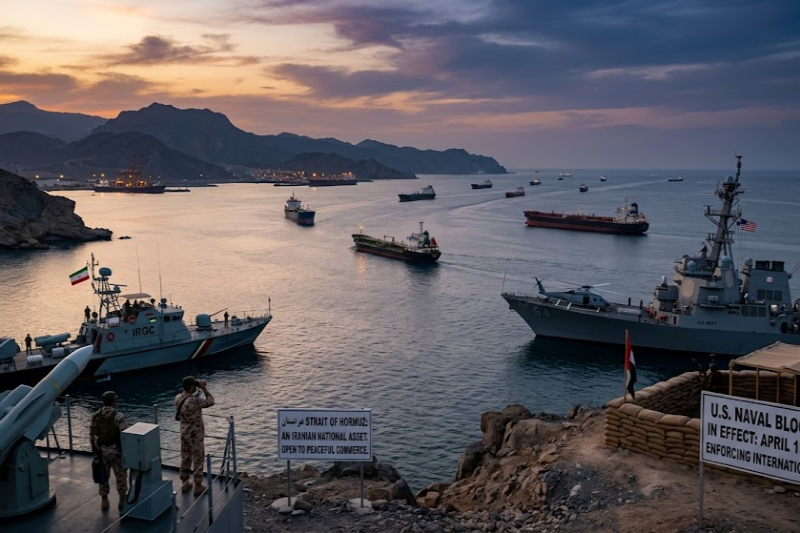
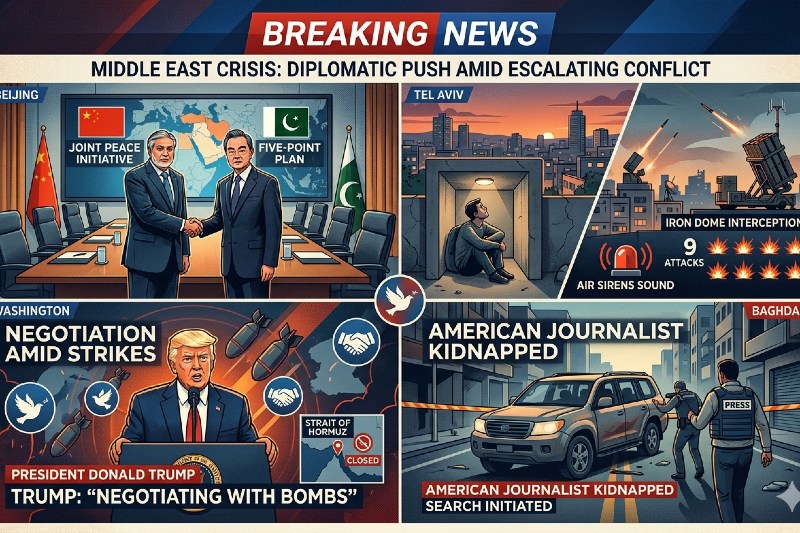
In Beijing, Pakistani Foreign Minister Ishaq Dar met with Chinese Foreign Minister Wang Yi to unveil a joint "Five-Point Initiative" aimed at de-escalating the "Epic Fury" conflict. The proposal calls for an immediate cessation of hostilities, the protection of civilian infrastructure—including energy and nuclear sites—and the urgent reopening of the Strait of Hormuz to restore global energy markets.
Foreign Minister Dar, acting as a key intermediary due to Islamabad's ties with both Washington and Tehran, signaled that Pakistan is prepared to host direct negotiations between U.S. and Iranian officials in the coming days.
Trump Signals Negotiation Amid Ongoing Strikes
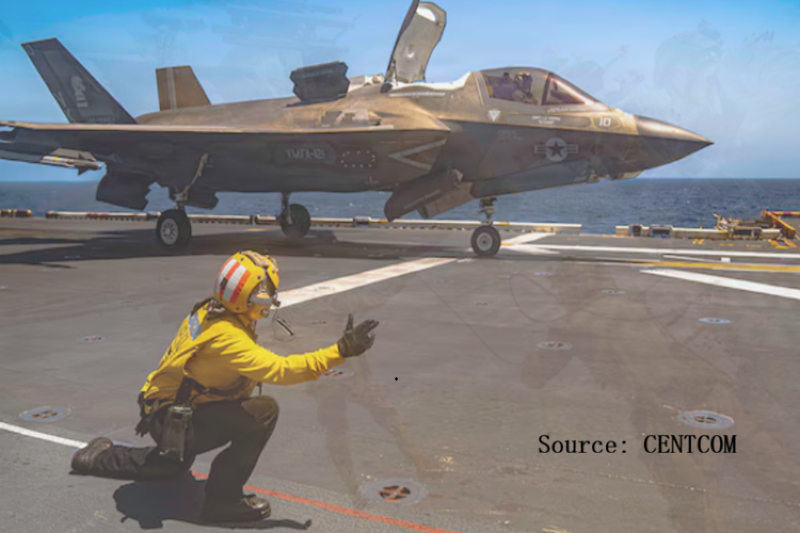
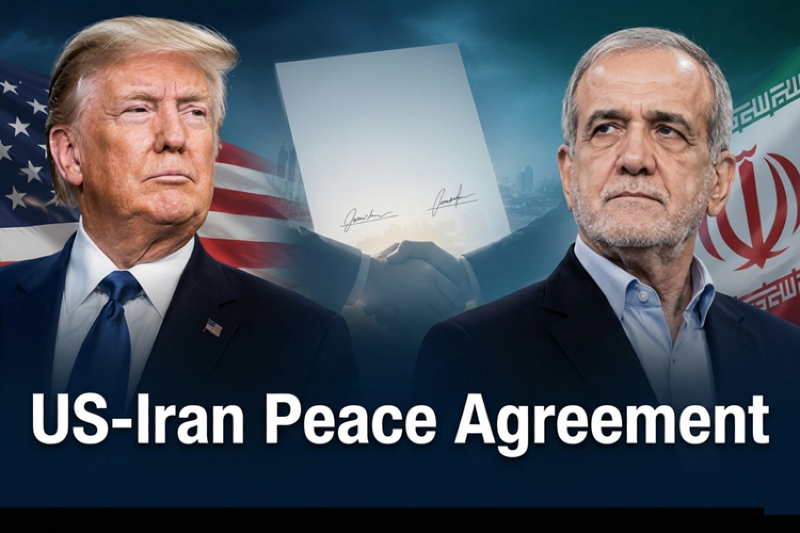
In Washington, President Donald Trump addressed the media, stating that the U.S. is "negotiating with the right people" to bring a swift conclusion to the war. However, his rhetoric remained dual-tracked; while mentioning a 15-point peace plan allegedly sent to Tehran, he emphasized that military pressure would continue until a "total deal" is reached. "We are negotiating with the bombs as well," the President remarked, referring to the continued aerial campaign designed to degrade Iran's military capabilities.
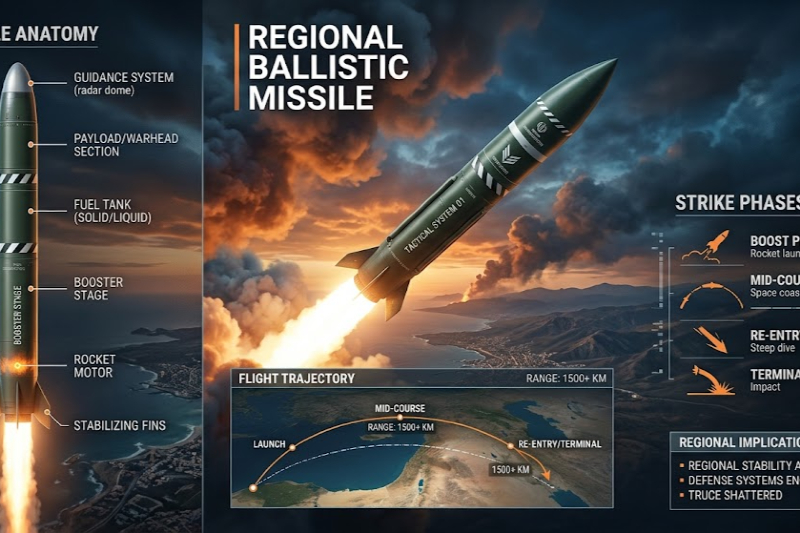
The urgency of these talks was underscored by events on the ground. In Israel, air sirens sounded nine times across Tel Aviv today as the Iron Dome intercepted a barrage of long-range missiles launched by the Islamic Revolutionary Guard Corps (IRGC). Similar attacks were reported in Kiryat Shmona, keeping much of the Israeli population in shelters.
American Journalist Abducted in Baghdad
The conflict’s reach into neighboring Iraq turned critical Tuesday evening when the Iraqi Interior Ministry confirmed the kidnapping of a foreign journalist. The victim, identified as American freelance reporter Shelly Kittleson, was forcibly taken from her vehicle by unidentified gunmen near the Baghdad Hotel on al-Saadoun Street.
Iraqi security forces engaged in a high-speed pursuit of the kidnappers, resulting in the suspect vehicle overturning. While one individual was taken into custody, Kittleson’s whereabouts remain unknown. The kidnapping has sparked a massive search operation in the capital, further complicating the security landscape for international observers.
Humanitarian and Economic Toll
As the war enters its second month, the humanitarian situation in Lebanon and Iran continues to deteriorate. Al Jazeera reports that over 1,000 people have been killed in the 2026 Lebanon War alone, while BBC and Fox News correspondents highlight the global economic shockwaves caused by the closure of the Strait of Hormuz. Oil prices remain at historic highs, and major shipping lanes in the Gulf remain paralyzed despite U.S. Navy escort efforts.
With the assassination of Iran's former Supreme Leader earlier in the conflict, the new leadership under Mojtaba Khamenei has thus far dismissed reports of a deal as "fake news," insisting that Iran will continue to defend its sovereignty against “U.S.-Israeli aggression.”