
Bangladesh Supreme Court Shifts to Hybrid Virtual Model Amid Energy Crisis
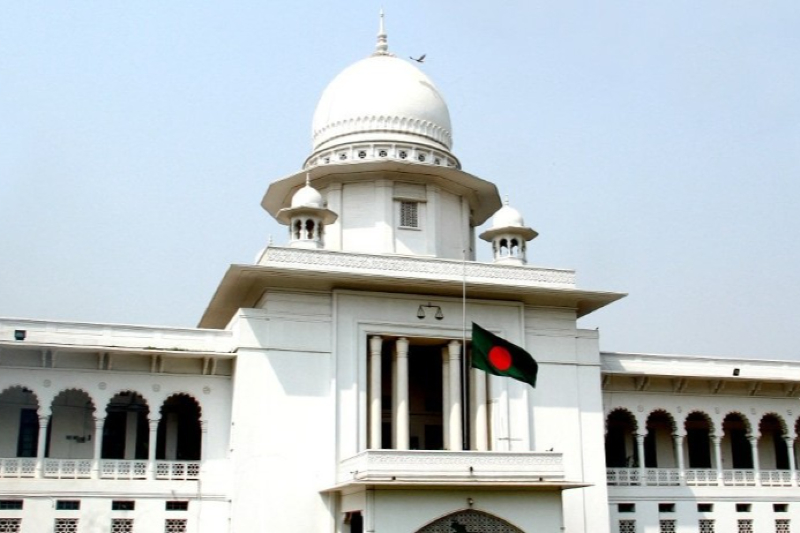
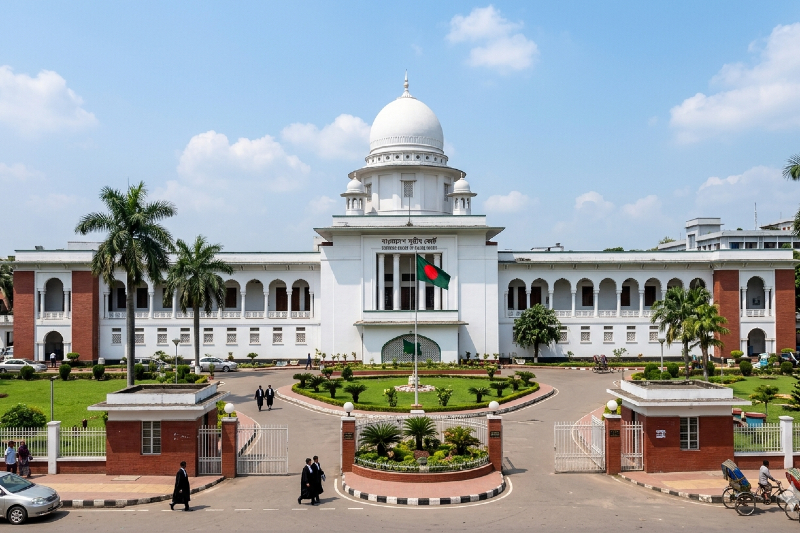
DHAKA — In a major move to combat the ongoing global energy crisis and reduce government expenditure, the Bangladesh Supreme Court has implemented a new operating schedule and transitioned to a hybrid virtual court system.
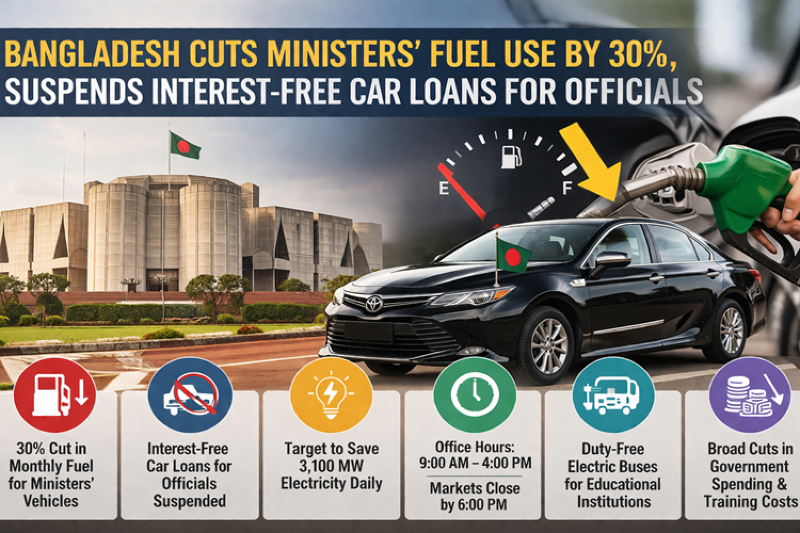
The decision follows a broader government directive aimed at slashing fuel, electricity, and gas consumption by 30% across all public offices.
New Operational Hours
Effective immediately, the Supreme Court has revised the working hours for both of its divisions to align with national energy-saving goals:
High Court Division: Office hours are now set from 9:00 AM to 4:00 PM.
Appellate Division: Office hours will run from 8:00 AM to 3:00 PM.
In addition to the time changes, the court has ordered a 30% reduction in monthly fuel allocations for all official vehicles used by the judiciary. This move mirrors an 11-point directive issued by the Cabinet Division in March 2026 to optimize resource usage during the current economic climate.
Transition to Virtual Courts
To further minimize the physical footprint and energy use within court premises, the Supreme Court has announced that both divisions, including the Chamber Judge’s Court, will conduct proceedings virtually every Wednesday and Thursday.
These virtual sessions are being conducted under the "Use of Information Technology by Court Act, 2020" and specific practice guidelines issued by the Supreme Court. Daily cause lists and virtual meeting IDs are being made available on the court’s official website for transparency and accessibility.
Early Success of the Hybrid Model
The transition appears to be gaining immediate momentum. On Wednesday, April 22, 2026, the judiciary reported significant disposal rates through its digital platforms:
Appellate Division: 95 cases were heard, with 21 cases successfully resolved.
High Court Division: 612 cases were heard, resulting in 156 disposals.
In total, 707 cases were addressed via virtual presence in a single day, with 177 cases reaching a final verdict.
According to Md. Shafiqul Islam, Public Relations Officer of the Supreme Court of Bangladesh, these measures will remain in effect until further notice as the country navigates the challenges posed by the global energy shortage.