
Bangladesh: Ex-Advisor Asif Reveals "Deep State" Offer to Extend Interim Government Until 2029

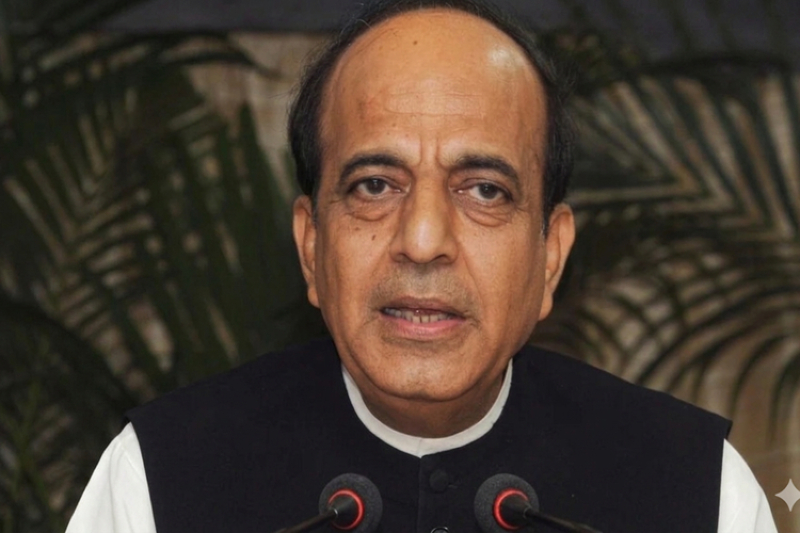
Asif Mahmud Shojib Bhuyain, a former advisor to the recently dissolved interim government, has sparked intense political curiosity by claiming that a "Deep State" entity offered to keep the administration in power until 2029.
Asif, a former coordinator of the Anti-Discrimination Student Movement and current spokesperson for the National Citizen Party (NCP), revealed the alleged proposal during a discussion at the NCP central office on Thursday.
The 2029 Proposal and Specific Conditions
According to Asif, during the first few months of the interim government’s tenure, "powerful institutions"—which he referred to as the Deep State—approached the administration.
The offer suggested that the interim government complete the remaining term of the ousted Sheikh Hasina government, which was set to end in 2029.
“They offered to cooperate with us to stay in power until 2029,” Asif told reporters on Friday. However, he noted that the offer came with "certain conditions" aimed at facilitating the interests of these influential groups.
Strategizing to Sideliner Competitors
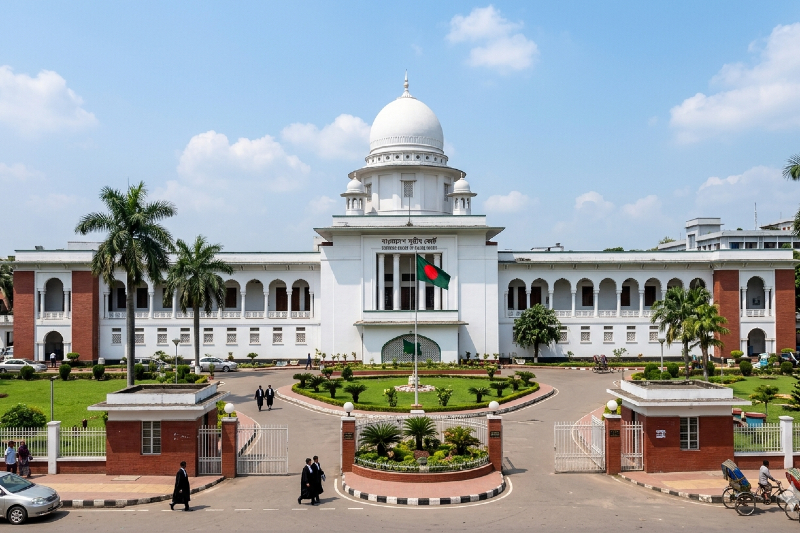
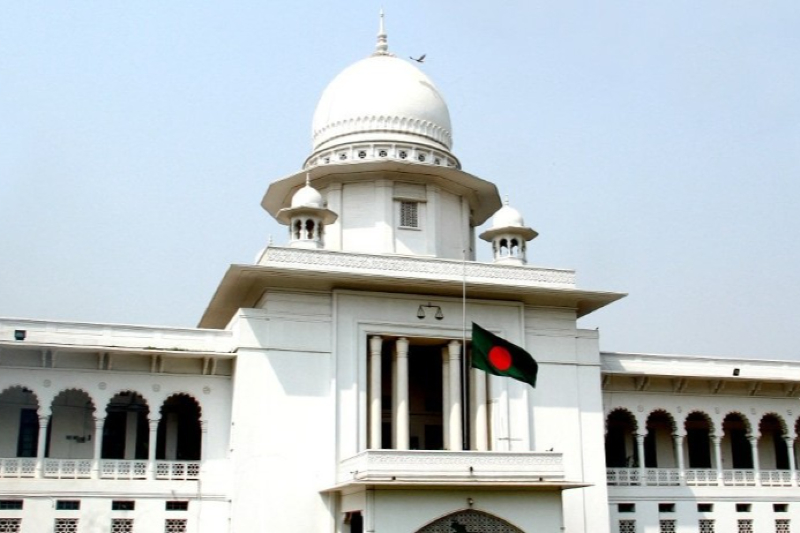
Asif detailed a roadmap allegedly presented by the Deep State to ensure the interim government's longevity. This strategy reportedly involved using the judiciary to prolong the legal cases and convictions of top opposition leaders, including BNP's Tarique Rahman.
“The plan was to keep the convictions active through court delays. If they remained convicted, they would be ineligible to participate in elections even if polls were held,” Asif explained.
He emphasized that the interim government rejected these overtures, remaining committed to a democratic transition.
Who is the "Deep State"?
When pressed to identify the specific entities involved, Asif remained cautious. “The Deep State included many parties, including foreign interests. I do not want to mention anyone by name specifically,” he said.
In political science, a "Deep State" typically refers to a clandestine network of military, intelligence, or bureaucratic officials who operate independently of a country's political leadership to pursue their own agendas.
This isn't the first time the term has surfaced recently. On March 10, Nahid Islam, another former advisor and NCP convener, blamed a "Deep State" for a high-profile murder case in Rajshahi, though he also declined to provide specifics.
Commitment to Democracy
Asif maintained that the interim government’s refusal to negotiate with these "hidden powers" is what eventually led to the recent elections. He stated that the advisors chose to resign voluntarily to ensure the electoral process remained beyond question.
While other former advisors have yet to comment on these specific allegations, Asif’s remarks have reignited a national debate over the invisible forces that influence Bangladesh's political landscape.
Summary Highlights: The "Deep State" Proposal to Extend the Interim Government
In a revealing address on March 26, 2026, Asif Mahmud Shojib Bhuyain, former advisor to the interim government and spokesperson for the National Citizen Party (NCP), detailed a clandestine attempt by "powerful institutions" to subvert the democratic process in Bangladesh.
Core Highlights of the Reveal
The Offer: Shortly after the interim government took office following the July uprising, they were approached with a proposal to remain in power until 2029, effectively completing the full term originally held by the ousted Sheikh Hasina.
The Actors: Asif referred to these entities as the "Deep State," noting it included a complex mix of powerful domestic institutions and various foreign interests.
The Motive: The actors assured the interim government of "full cooperation and support" if they agreed to protect and facilitate specific institutional interests.
The Rejection: Asif emphasized that the interim government refused the offer, choosing instead to uphold their commitment to democracy, which led to the national elections and their subsequent voluntary resignations to maintain transparency.
The "Deep State" Roadmap: Specific Offers & Conditions
Asif disclosed that the group did not just make a vague offer but presented a detailed roadmap to consolidate power and sideline political opposition:
Judicial Manipulation: The Deep State proposed using the judiciary to prolong the existing convictions of BNP leaders.
Targeting Tarique Rahman: A specific strategy was discussed to ensure that Tarique Rahman remained ineligible for elections.
The plan suggested repeatedly "rotating" or delaying court hearing dates to keep his legal status in limbo indefinitely. Legalizing Fascist Frameworks: The conditions included a demand to validate or "legalize" certain administrative and fascist actions taken by the previous regime to protect the interests of the established power structure.
Facilitation of Interests: The administration was asked to "facilitate" the Deep State in several strategic areas, ensuring their influence remained untouched during the extended five-year tenure.
"They even prepared a full roadmap on how we could stay in power by reaching an understanding with them.
But we did not agree to it; we prioritized the people's mandate." — Asif Mahmud