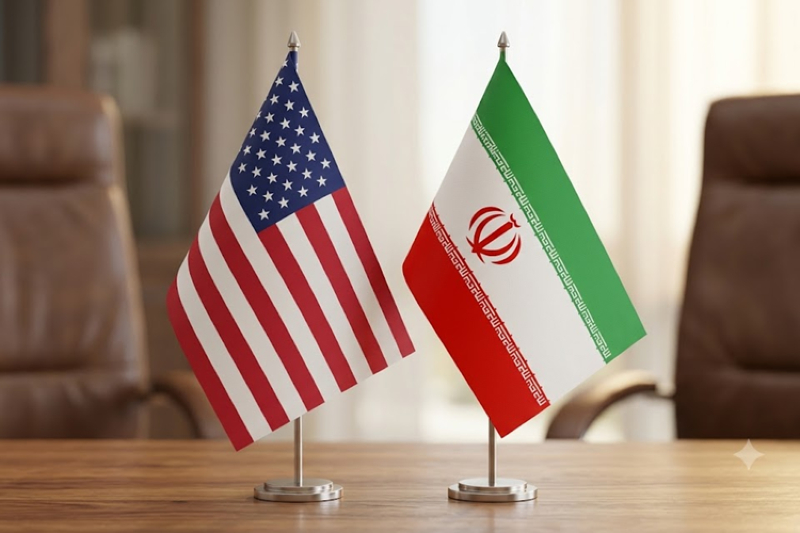

$115 Oil Shock: Markets Crash as Iran War Escalates
Asian stock markets opened the week under heavy pressure as escalating tensions in the Middle East rattled investor confidence. Japan’s Nikkei 225 plunged around 4–5%, while South Korea’s Kospi also dropped sharply, reflecting growing fears of a prolonged conflict and economic fallout.
Investors are shifting toward safer assets as uncertainty deepens, with energy prices becoming the key driver of market sentiment.
Oil Prices Hit Crisis Levels
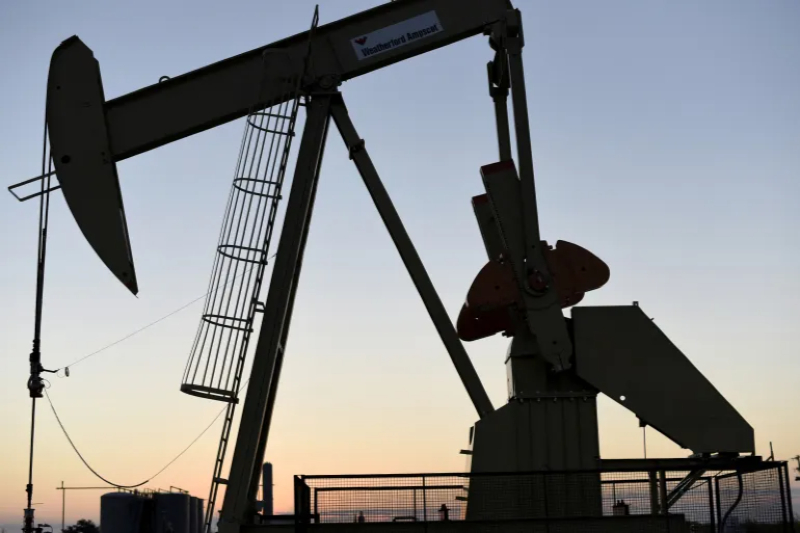
Global oil markets surged dramatically, with Brent crude climbing above $115 per barrel and U.S. crude crossing $103. This marks one of the strongest monthly rallies on record, fueled by supply fears and geopolitical risks.
Since late February—when the conflict began—oil prices have skyrocketed, highlighting how sensitive global energy markets are to disruptions in the Middle East.
Conflict Expands Beyond Borders
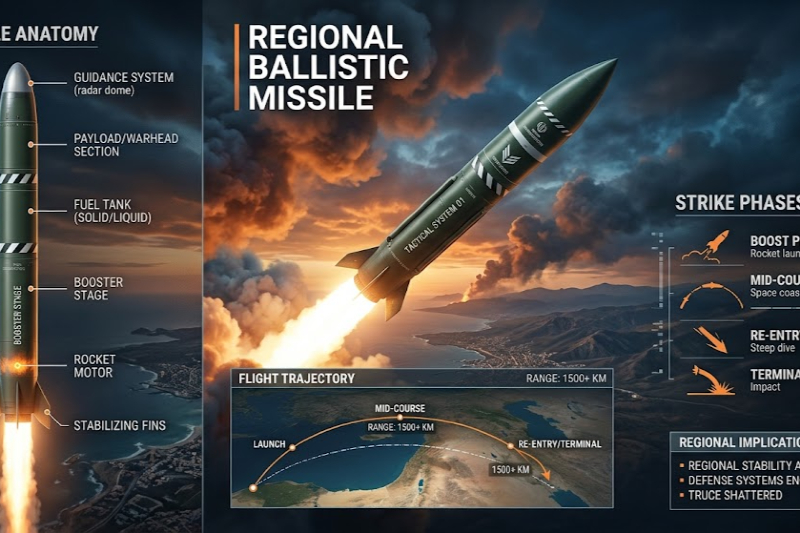
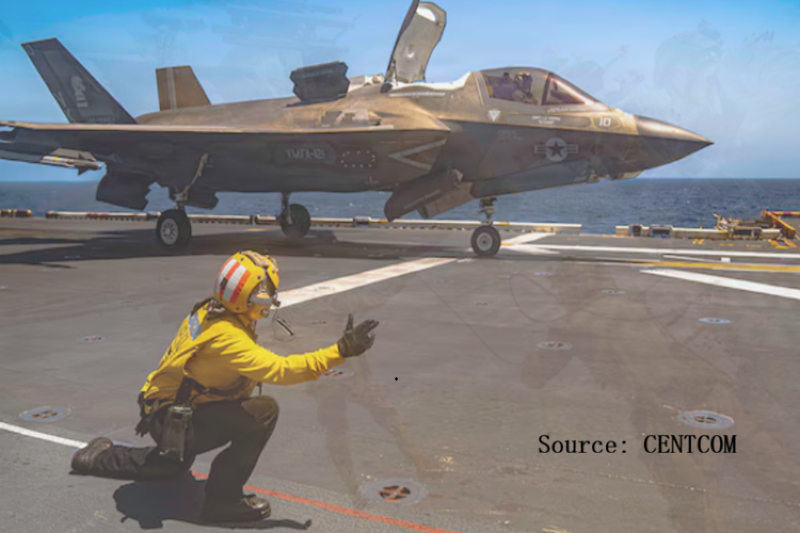
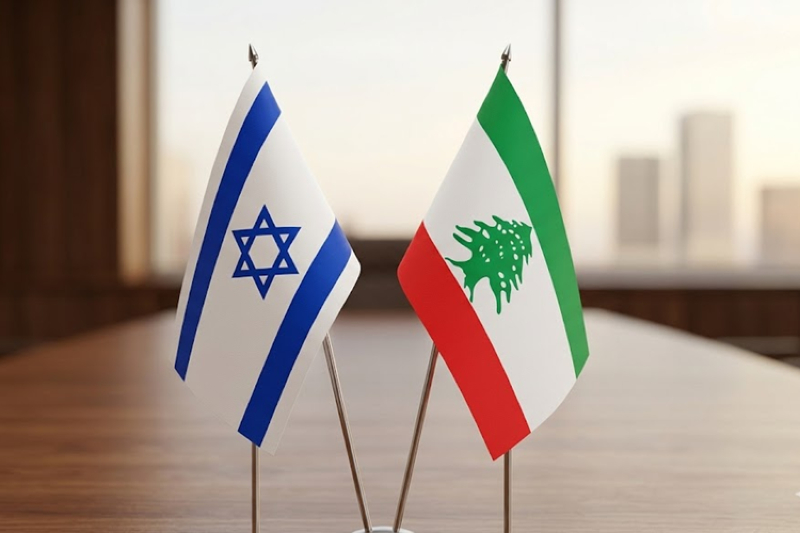
The situation escalated further after Iran-backed Houthi forces launched attacks on Israel, widening the war’s regional scope. Meanwhile, the U.S. has increased its military presence, deploying thousands of additional troops.
Tensions intensified after threats to target key infrastructure and strategic locations, raising concerns that the conflict could spiral into a broader regional war.
Strait of Hormuz Disruption Sparks Supply Fears
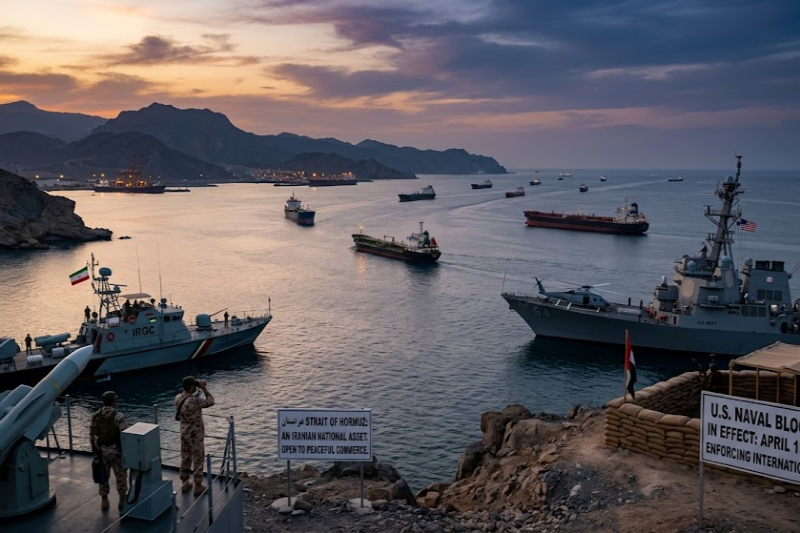
One of the biggest concerns is the disruption of shipping through the Strait of Hormuz—a vital route that carries a significant share of the world’s oil and gas.
With tanker traffic slowing and security risks rising, global supply chains are under strain, pushing prices higher and increasing fears of shortages.
Global Economic Impact Deepens
The ripple effects are already visible worldwide. Rising oil prices are expected to increase inflation, strain import-dependent economies, and slow global growth.
Countries across Asia—heavily reliant on imported energy—are particularly vulnerable, with analysts warning that prolonged instability could trigger broader financial disruptions.