The 26th Knesset formally convened on Tuesday afternoon as all 120 newly elected members of parliament took their oaths of office during an opening ceremony marked by political turbulence, sharp rhetoric, and a clear shift in legislative dynamics.
The session opened with Israel entering a delicate political era, as a 67-seat majority of lawmakers opposed to caretaker Prime Minister Benjamin Netanyahu assembled in the plenum.
The inaugural day highlighted deep divisions, featuring a call for moderation by President Isaac Herzog, a fiery speech from Netanyahu attacking Arab lawmakers, and immediate parliamentary maneuvers by the anti-Netanyahu bloc to strip Likud of its legislative leverage.
Herzog Urges Unity and Oct. 7 Accountability
Addressing the plenum amidst cheers, heckling, and walkouts, President Isaac Herzog delivered an opening address focused on calming national tensions and averting a potential cycle of repeat elections.
"You must do everything to avoid a repeat election," Herzog urged, emphasizing that nearly 80 percent of the electorate had cast their ballots expecting functional governance.
Herzog tackled critical ongoing national debates, explicitly calling for a thorough investigation into the security and political failures surrounding the October 7, 2023, Hamas attack—a move Netanyahu has repeatedly resisted in favor of a politically appointed panel.
Herzog also highlighted the pressing issue of ultra-Orthodox military conscription, demanding "joint responsibility for the duty of service" while preserving Jewish heritage and Torah study.
On international policy, he urged the fortification of the alliance with the United States and the expansion of diplomatic ties across the Middle East, while warning of the persistent threat posed by Iran.
Netanyahu Demands Unity, Launches Attack on Arab MKs
Taking the podium in Chagall State Hall following the swearing-in, caretaker Prime Minister Benjamin Netanyahu delivered an aggressive address, demanding the formation of a "national emergency government" while vehemently condemning his opponents' negotiation efforts.
Netanyahu warned against the creation of any government reliant on Arab-led parties—Ra'am and the Joint List—claiming their lawmakers seek Israel's destruction and support terrorism. His remarks were repeatedly interrupted by opposition lawmakers pressing him on his refusal to establish a state commission of inquiry into October 7 and pointing to recent allegations regarding his aides' ties to Qatar.
Outside the parliament, hundreds of right-wing protesters echoed Netanyahu's sentiment, demonstrating against a potential coalition backed by Arab parties, which expanded their parliamentary footprint to a record 19 seats in the recent election.
Eisenkot Condemns PM as Opposition Moves to Seize Control
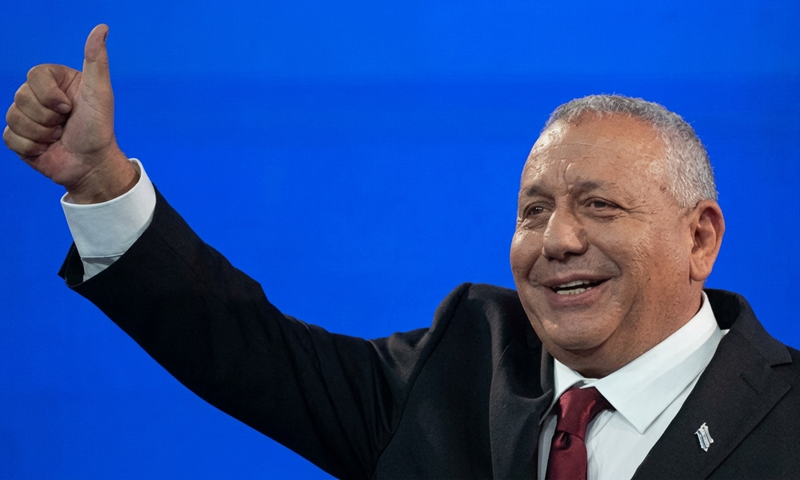
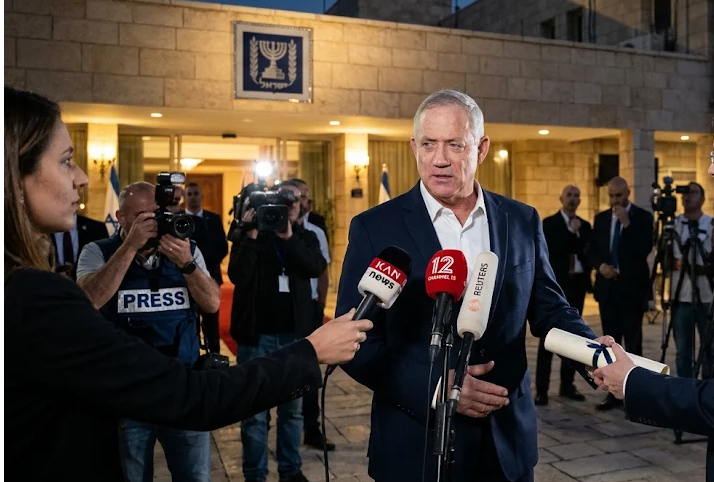
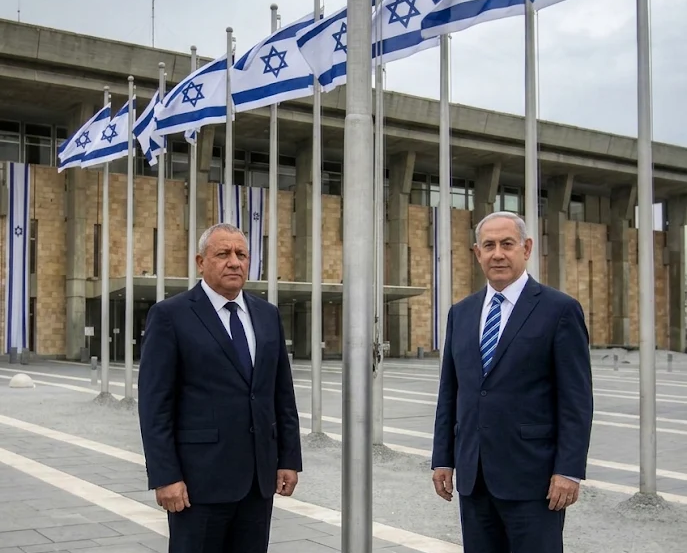
Yashar party chairman Gadi Eisenkot—who received the official presidential mandate from Herzog to attempt to form a government—quickly fired back at Netanyahu, describing his address as a "hate-filled speech" that further demonstrated he is unfit to lead. In response to the Prime Minister’s remarks, Yashar canceled planned coalition talks with Likud representatives scheduled for Wednesday.
Eisenkot, currently heading a core bloc of 48 anti-Netanyahu Zionist MKs, faces an arduous process to construct a stable 61-seat majority. However, his coalition moved aggressively on its first day to assert control over the parliamentary agenda.
Shortly before the session, Eisenkot submitted a petition signed by 67 lawmakers demanding the removal of Knesset Speaker Amir Ohana (Likud) and proposing Yashar MK Matan Kahana as his replacement. Ohana acknowledged the petition and announced he will convene the plenum next week to vote on a successor. Concurrently, opposition MKs walked out during a speech by Ohana, who used his farewell address as Speaker to rail against Arab parties for refusing to label Hamas a terrorist organization, even as reports surfaced that Ra'am leader Mansour Abbas had conditionally agreed to do so as part of coalition talks.
With a month-long mandate now ticking for Eisenkot, the 26th Knesset opens under intense pressure as lawmakers navigate complex coalition math to avoid sending the country back to the polls.