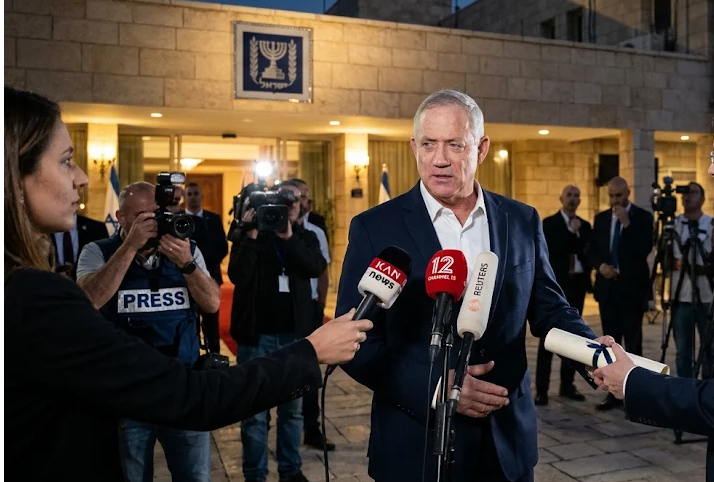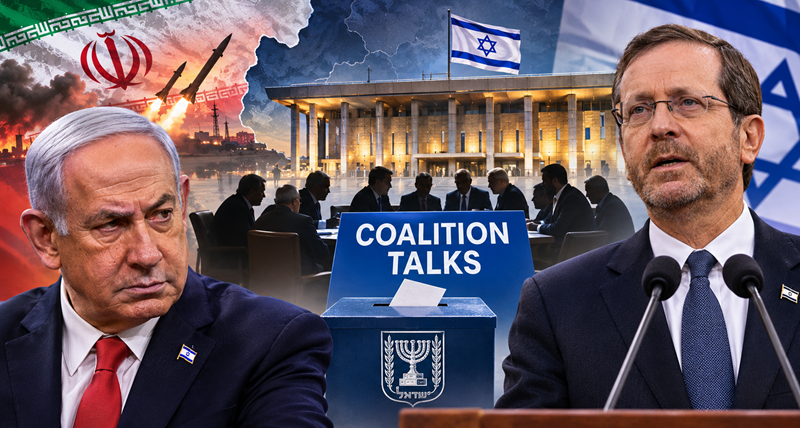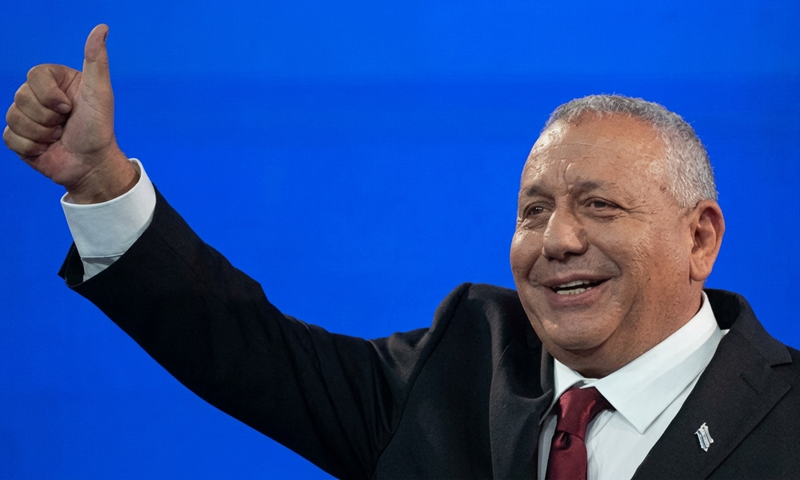
November 9, 2026 — Israeli President Isaac Herzog officially tasked former military chief and Yashar party leader Gadi Eisenkot with forming a new government, setting the stage for a high-stakes transition effort following an inconclusive general election.
During a formal ceremony at the presidential residence in Jerusalem on Sunday, Herzog announced his decision after wrapping up consultations with all political factions elected to the 120-seat Knesset.
According to the president's office, factions representing 67 members of parliament recommended Eisenkot, while 46 lawmakers backed incumbent Prime Minister Benjamin Netanyahu.
"These conversations were conducted with openness, candor, and transparency, and they represented the essential nature of the democratic process," Herzog stated during the ceremony.
Pointing to the complex political landscape, he added, "The State of Israel needs a stable government that can meet them over time. This is the time to reach out a hand, to do everything for the unity of our people."
The Road Ahead: 28 Days to Build a Coalition
Under Israeli law, Eisenkot now has 28 days to piece together a governing coalition capable of winning a parliamentary vote of confidence, with a potential 14-day extension available if necessary.
Neither Eisenkot’s opposition bloc nor Netanyahu’s right-wing alliance secured an outright majority of 61 seats during the October 27 parliamentary elections, resulting in a severe political deadlock.
However, Eisenkot ultimately gathered broader parliamentary backing during the president's consultations, clearing the procedural threshold for appointment.
Shortly after the announcement, Eisenkot shared an image on social media of his handshake with Herzog, accompanied by the statement: "Now is the time to form a national emergency government. I will do everything to ensure we prove ourselves worthy."
Meanwhile, Prime Minister Netanyahu released a video prior to the president's declaration, similarly calling for the establishment of a national unity government.
Key Challenges Facing the Incoming Administration
The recent electoral campaign was dominated by urgent national security concerns, regional escalations involving Iran, and sharp domestic debates over the handling of the ongoing conflict in Gaza.
Eisenkot faces the delicate task of bridging deep ideological divides among the disparate parties that backed his candidacy—including major Zionist opposition factions and Arab-led parties—to construct a stable administration capable of navigating Israel's mounting geopolitical and domestic pressures.