
Why Andrew Was Released — and Why His Legal Troubles Are Far From Over
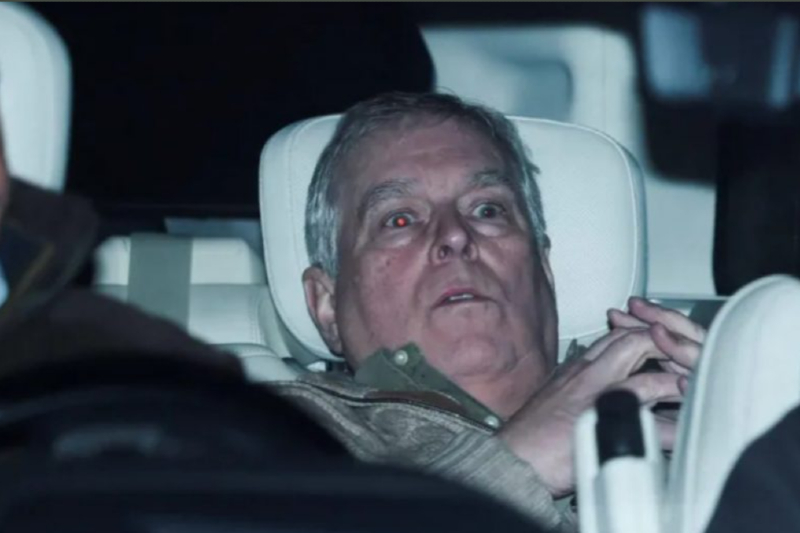
Andrew Mountbatten-Windsor has been released under investigation after being arrested on suspicion of misconduct in public office, but the case surrounding him is far from over.
The 66-year-old was detained on Thursday morning at the Sandringham Estate as part of an investigation led by Thames Valley Police. He was questioned for approximately 11 hours before being released without charge. Authorities confirmed that while he is no longer in custody, the investigation remains active.
Why Was He Released?
Police clarified that Andrew was released “under investigation,” a legal status meaning officers require more time to examine evidence before deciding whether to bring charges. This can include reviewing digital communications, financial documents, and materials seized during property searches.
Law enforcement officers concluded searches at his Sandringham residence in Norfolk but continue to examine his former home, Royal Lodge in Berkshire. Investigators are reportedly analysing correspondence linked to his time as the UK’s trade envoy, particularly communications that surfaced following the release of US government files related to Jeffrey Epstein.
Importantly, police stated that the arrest is not connected to allegations of sexual offences. Instead, the focus concerns whether confidential government information may have been improperly shared during his period as a public office holder.
What Triggered the Investigation?
The investigation gained momentum after newly released US documents appeared to show Andrew forwarding official government reports and investment briefings to Epstein in 2010. Under UK guidelines, trade envoys are bound by confidentiality obligations regarding sensitive political or commercial information gathered during official visits.
Authorities are also assessing whether further evidence from recently disclosed files warrants additional legal scrutiny.
Andrew has consistently denied wrongdoing and has not publicly commented on the specific allegations currently under review.
What Happens Next?
Being released under investigation means several possible outcomes remain open:
Police may decide there is insufficient evidence and close the case.
Further questioning could take place if new material emerges.
Prosecutors could eventually consider formal charges if the evidence meets legal thresholds.
Legal experts note that complex cases involving historical communications and international documents can take months to resolve.
Royal Family Response
King Charles III stated that “the law must take its course” and confirmed that the police have the Royal Family’s “full and wholehearted support and co-operation.” Buckingham Palace reportedly had no advance notice of the arrest.
Despite the dramatic developments, senior royals continued with scheduled public engagements. The Prince and Princess of Wales are understood to support the King’s statement.
Political and Public Impact
Andrew’s arrest marks an unprecedented moment for a senior royal in modern British history. While he stepped back from official duties in 2019 and later lost military titles and patronages, the investigation renews scrutiny over his past associations.
Public reaction has been divided. Some see the arrest as a sign that legal accountability applies equally regardless of status, while others argue that the investigation is still in its early stages and caution against conclusions before charges are filed.
For now, Andrew remains under investigation, and the coming months will determine whether the case results in prosecution or closure.