
US-Iran Peace Talks Advance: Ceasefire Proposed, Nuclear Standoff Persists
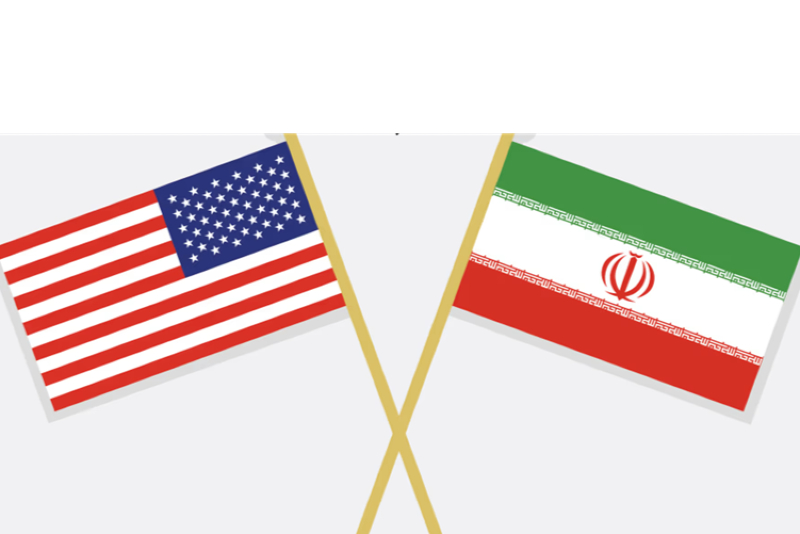
WASHINGTON D.C. / TEHRAN — Diplomatic efforts to resolve the ongoing conflict between the United States and Iran have reached a critical juncture, with leaders from both nations signaling that a preliminary agreement is nearing completion.
"Significant Progress" Reported
U.S. Secretary of State Marco Rubio confirmed "significant progress" in negotiations over the past 48 hours, though he emphasized that technical hurdles remain. President Donald Trump indicated on Saturday that a deal is "largely negotiated," with a formal announcement expected shortly.
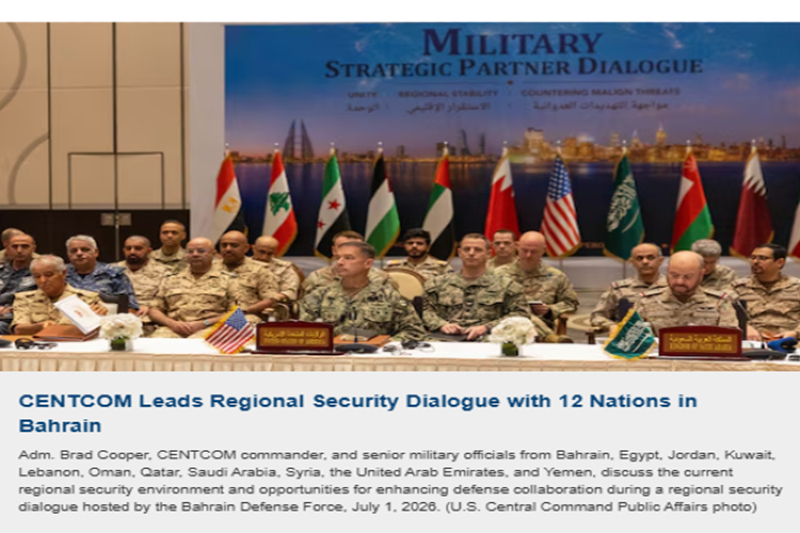
The framework, facilitated by Pakistan, reportedly focuses on immediate de-escalation. Key components of the potential agreement include:
Ceasefire Extension: A proposed 60-day extension of the existing ceasefire.
Strait of Hormuz: Reopening the vital shipping lane to international traffic, with commitments from Tehran to clear mines and waive tolls.
Sanctions Relief: Potential U.S. movement on lifting port blockades and issuing specific sanction waivers related to Iranian oil.
Conflicting Reports on Nuclear Commitments
While the ceasefire and shipping lanes remain the primary focus, the status of Iran’s nuclear program is a major point of contention.
Reports from Western outlets suggest the draft includes commitments from Tehran to curb its nuclear enrichment and surrender stockpiles of highly enriched uranium. However, Iranian state-aligned agencies, including Tasnim, have denied these claims, asserting that nuclear discussions have been postponed until after the formal end of hostilities.
Regional Reactions and Concerns
The potential deal has drawn mixed reactions from the international community and regional stakeholders:
European Union: EU Commission President Ursula von der Leyen welcomed the progress, stressing that a final agreement must prevent Iran from developing nuclear weapons and guarantee free navigation in the Gulf.
Israeli Stance: Reports indicate significant skepticism within Israeli leadership. Officials expressed concern that the draft fails to adequately address Israel’s security interests or the long-term status of Iran’s nuclear infrastructure. Prime Minister Benjamin Netanyahu has reportedly urged his staff to remain cautious in public statements to preserve the U.S.-Israel diplomatic relationship.
Internal Iranian Politics: President Masoud Pezeshkian has stated that any final decision is subject to the approval of Supreme Leader Mojtaba Khamenei, who succeeded his father following the first wave of strikes earlier this year.
Path Forward
As both nations move toward finalization, the role of mediator Pakistan remains central. Pakistani officials have indicated that a new round of high-level talks is expected to take place "very soon."
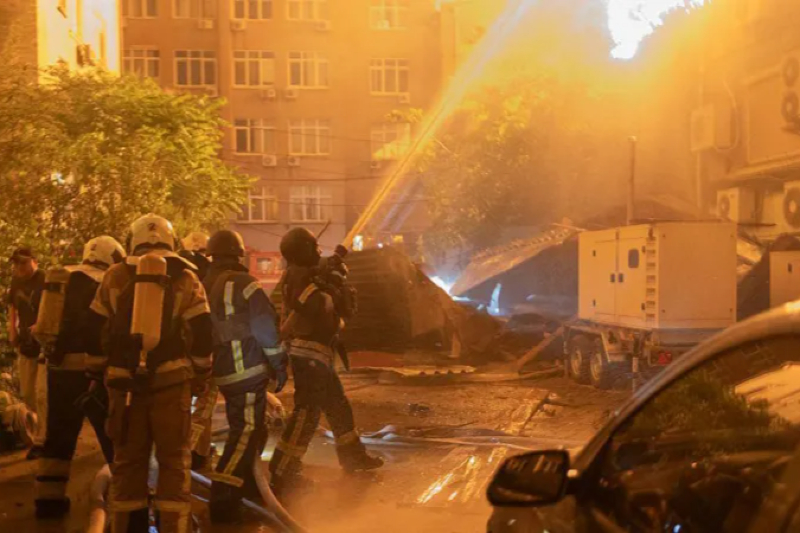
While the military situation remains volatile—particularly with ongoing air raids in southern Lebanon—diplomats are hopeful that this agreement will mark the end of the large-scale military confrontation that began in late February.