
Trump Administration Warns News Outlets on Iran War Reporting
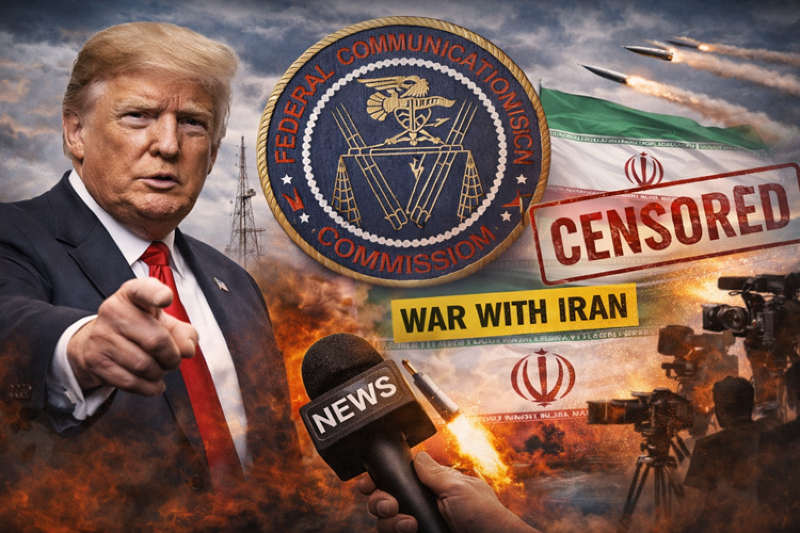
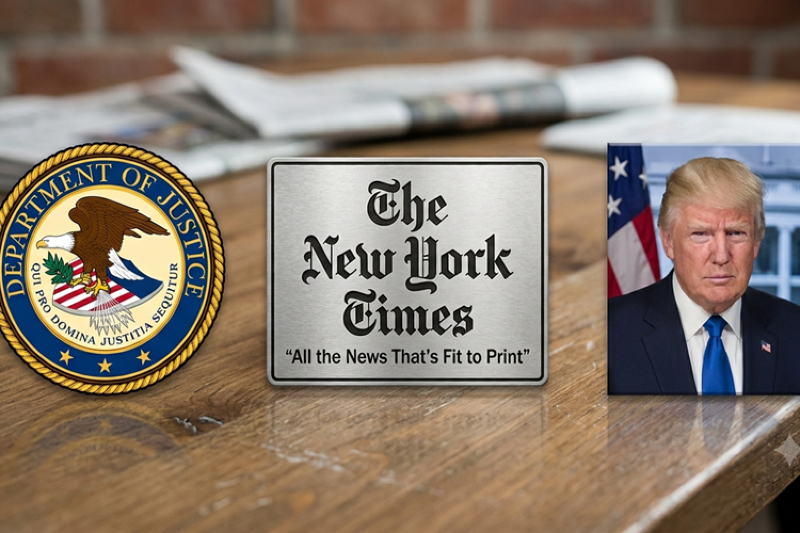
The administration of Donald Trump has sparked controversy after warning that American news outlets could face consequences for what it described as misleading coverage of the ongoing war with Iran.
The warning came from Brendan Carr, chairman of the Federal Communications Commission (FCC), who said broadcasters that spread “news distortions” about the conflict risk losing their broadcasting licences if they fail to act in the public interest.
In a statement posted on social media, Carr suggested that media organisations accused of spreading inaccurate reports should correct their coverage before their licence renewals are reviewed.
Criticism From Politicians and Free Speech Advocates
Carr’s remarks quickly drew strong criticism from lawmakers and advocates of press freedom, who warned that such statements could threaten independent journalism.
US Senator Brian Schatz argued that the comments appeared to pressure media outlets to portray the war more positively or risk losing their ability to broadcast.
Free speech organisations also voiced concern. Aaron Terr of the Foundation for Individual Rights and Expression (FIRE) said the government does not have the authority to restrict reporting on a conflict it is actively involved in.
He emphasised that the First Amendment to the United States Constitution protects the media’s right to report freely, including criticism of government actions during wartime.
Trump Blames Media for ‘Distorted’ War Reports
The controversy intensified after Trump accused major news outlets of publishing inaccurate reports about an Iranian attack on US military aircraft in Saudi Arabia.
Posting on his social platform Truth Social, the president said media reports suggesting US refuelling planes were damaged were exaggerated. He stated that while a military base had been targeted earlier, the aircraft themselves suffered little or no damage and had already returned to service.
Trump also accused sections of the press of attempting to undermine the war effort by spreading negative narratives.
Defense Secretary Calls for ‘Patriotic’ Coverage
During a separate briefing, US Defense Secretary Pete Hegseth criticised some television networks for portraying the conflict in a negative light.
Hegseth suggested that headlines emphasising escalation in the Middle East painted an inaccurate picture of the situation. Instead, he argued that reporting should highlight what he described as Iran’s growing difficulties in the conflict.
He also singled out CNN for its reporting on the possibility that Iran could disrupt global oil shipments through the Strait of Hormuz, a vital maritime route for global energy supplies.
Public Opinion Divided Over the War
The conflict, which began on February 28 with joint US and Israeli strikes against Iran, has faced mixed reactions inside the United States.
A recent survey by Quinnipiac University found that more than half of American voters oppose the military campaign. The poll showed particularly strong opposition among Democratic voters and a majority of independent voters.
Legal experts have also questioned the legitimacy of the military action, arguing that launching attacks without clear provocation may violate international law.
Despite the criticism, Trump has continued to defend the operation, saying the campaign against Iran has been successful and necessary for US security.