
Starmer to Address Hormuz Crisis as Trump Urges NATO Allies to Secure Vital Oil Route
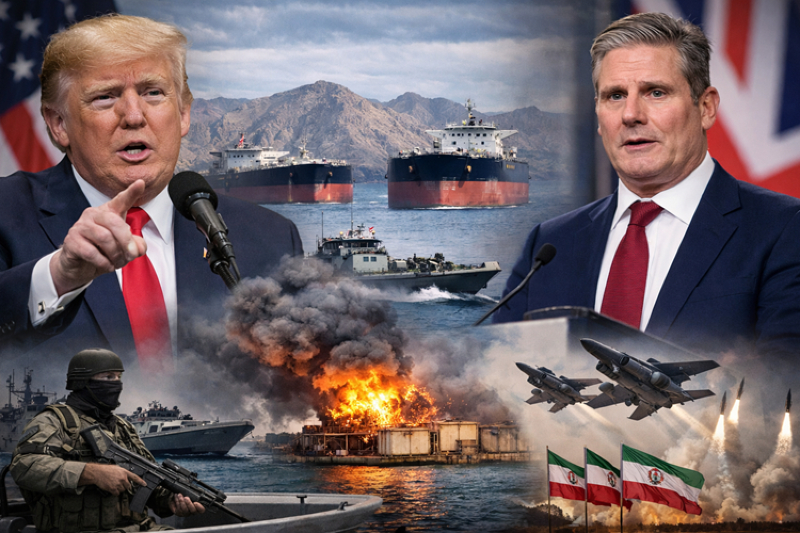
Global tensions surrounding the strategic Strait of Hormuz continue to escalate as Keir Starmer is expected to deliver a statement on the conflict and its economic consequences.
The British prime minister is set to outline support measures for households affected by rising heating oil costs, which have surged amid the ongoing war involving Iran, Israel, and the United States.
The situation intensified after Donald Trump called on members of the North Atlantic Treaty Organization to help protect the crucial maritime corridor. In remarks to the Financial Times, the US president warned that it would be “very bad for the future of NATO” if allies declined to participate in securing the narrow waterway, which carries a significant portion of the world’s oil shipments.
Trump said Washington is currently discussing possible cooperation with several countries to “police” the strait and ensure safe passage for commercial vessels. He also indicated that Xi Jinping and China could play an important role in reopening the route, suggesting a planned summit with the Chinese leader might be postponed if Beijing does not assist.
Rising Military Activity Across the Region
Meanwhile, the Israel Defense Forces reported launching a large wave of air strikes targeting military infrastructure in several Iranian cities, including Tehran, Shiraz, and Tabriz. Israeli officials said the attacks were aimed at weakening Iran’s missile capabilities and other strategic assets.
In addition, Israeli troops have begun what officials describe as “limited and targeted” ground operations against positions linked to Hezbollah in southern Lebanon. The latest escalation has contributed to a growing humanitarian crisis, with hundreds of thousands of civilians reportedly displaced.
Attacks and Disruptions in the Gulf
Countries across the Gulf region have also experienced the fallout from the conflict. Authorities in the United Arab Emirates said a drone-related incident near Dubai International Airport sparked a fire at a fuel storage facility, temporarily suspending some flights before operations gradually resumed. Officials reported no casualties.
Elsewhere in the UAE, a missile reportedly landed in a civilian area in Abu Dhabi, killing a Palestinian resident. Officials have urged the public to rely only on verified information as tensions remain high.
Regional energy infrastructure has also been affected. Authorities said a drone strike triggered a fire at an oil facility in Fujairah, an important export hub located near the Strait of Hormuz.
Global Economic Concerns
The conflict has disrupted shipping routes and raised fears of a prolonged energy crisis. Roughly one-fifth of global oil supplies normally pass through the Strait of Hormuz, making it one of the world’s most important energy chokepoints.
Oil prices have climbed again despite a record release of strategic reserves by member states of the International Energy Agency. Analysts say the move may provide only short-term relief if hostilities continue.
Meanwhile, the European Union is expected to discuss potential measures to keep the shipping corridor open during an upcoming foreign affairs meeting.
As the conflict enters its third week, world leaders are increasingly concerned that the situation could disrupt global trade, energy markets, and regional stability if diplomatic solutions are not found soon.