
Son of Former Libyan Ruler Muammar Gaddafi Killed in Zintan Attack
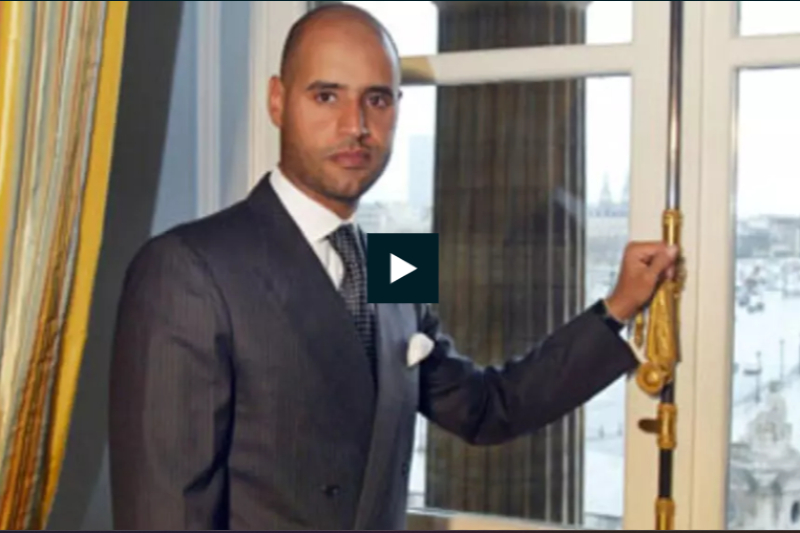
Seif al-Islam Gaddafi, son of Libya’s late longtime leader Muammar Gaddafi, was killed on Tuesday after armed assailants broke into his residence in the western Libyan town of Zintan, according to his legal representatives and local media reports.
French lawyer Marcel Ceccaldi said Seif al-Islam was shot at his home in the afternoon by a small group of attackers. The incident took place around 2:00 pm local time, though the identities and motives of those involved remain unknown.
Seif al-Islam, 53, was widely viewed as a potential political heir to his father before the 2011 uprising. In recent years, he had attempted to re-enter public life and announced plans to contest Libya’s postponed presidential elections in 2021, despite facing an arrest warrant from the International Criminal Court over allegations of crimes against humanity.
Security Concerns Raised Earlier
Ceccaldi said associates of Seif al-Islam had expressed concerns about his personal safety in recent days. According to the lawyer, tribal leaders had reportedly offered additional security arrangements, which Seif al-Islam declined.
Libyan media cited adviser Abdullah Othman Abdurrahim as saying the attackers entered the house after disabling security systems before killing him. Authorities have yet to confirm details of the operation.
Political Legacy and Legal History
Although Seif al-Islam never held an official government post during his father’s rule, he was long regarded as an influential figure within the regime and was often portrayed internationally as a reform-minded politician before the Arab Spring protests.
That image changed sharply during the 2011 revolt, when he delivered speeches threatening severe retaliation against demonstrators.
Following the fall of the Gaddafi government, Seif al-Islam was captured in southern Libya in November 2011 under an International Criminal Court warrant. A court in Tripoli sentenced him to death in 2015, but he was later released under an amnesty law. His movements and residence had remained largely undisclosed in recent years.
Impact on Libya’s Political Landscape
Libya analyst Emadeddin Badi said Seif al-Islam’s death could reshape the country’s political environment, potentially influencing future election dynamics by removing a controversial figure from the scene.
Others close to the former regime expressed shock over the killing. Moussa Ibrahim, a former spokesman for Muammar Gaddafi, said Seif al-Islam had recently spoken about reconciliation and stability in Libya.
Country Still Divided
Libya has faced prolonged instability since the NATO-backed uprising in 2011 that ended Muammar Gaddafi’s four-decade rule. The country remains split between a United Nations-recognised government based in Tripoli and a rival administration in the east supported by military commander Khalifa Haftar.
Investigations into the killing are ongoing, and no group has so far claimed responsibility.