
Royal Turmoil Deepens: Why Andrew Mountbatten-Windsor was Released Under Investigation After Shock Arrest at Sandringham
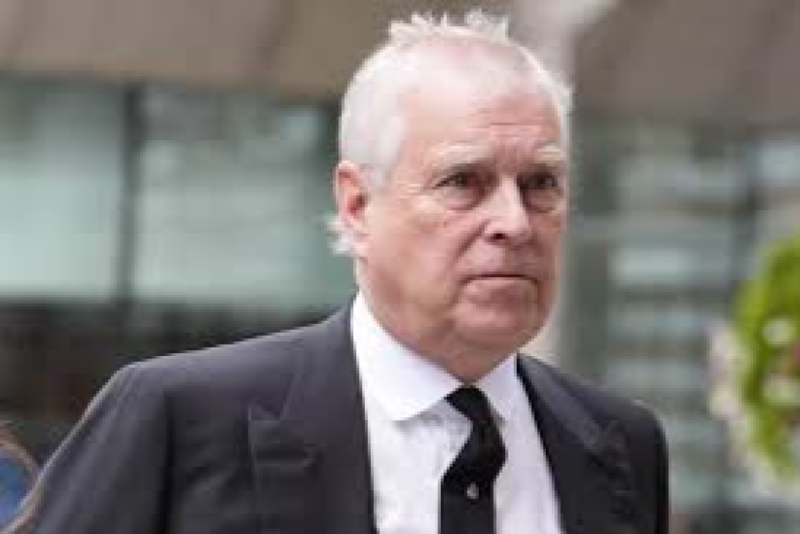
London, UK — Britain’s royal household has been thrust into fresh controversy after Andrew Mountbatten-Windsor was arrested and later released under investigation on suspicion of misconduct in public office — a dramatic development that has intensified scrutiny over his past associations and official conduct.
According to Thames Valley Police, officers detained a man in his 60s at Sandringham at approximately 08:00 GMT on Thursday. Simultaneous searches were conducted at properties in Berkshire and Norfolk, including Royal Lodge, the Duke’s former home.
By Thursday evening, authorities confirmed he had been “released under investigation,” meaning he has not been charged but remains subject to ongoing inquiries.
Why Was He Released?
Under UK law, suspects can be released under investigation while police continue gathering evidence. Legal analysts speaking to CNN explain that such a move often indicates investigators require additional time to assess complex documentary or digital material before determining whether charges are warranted.
In this case, the arrest is reportedly linked to allegations Andrew may have shared confidential government information during his tenure as the UK’s trade envoy between 2001 and 2011. Official guidance requires envoys to protect sensitive political and commercial intelligence.
Police have clarified that the arrest is not related to sexual offence allegations, but rather to suspected misconduct in public office — a serious charge that applies when a public official is accused of abusing their position.
The Epstein Connection and Confidential File
The investigation follows renewed public attention after US authorities released additional documents connected to the late financier Jeffrey Epstein. Communications between Epstein and Andrew were among files disclosed earlier this year.
Documents reportedly suggest Andrew forwarded summaries of official overseas visits — including trips to Asia — and discussed potential investment opportunities in sectors such as gold and uranium. While no charges have been filed, investigators are examining whether any material shared breached confidentiality obligations.
Andrew has consistently denied wrongdoing in relation to Epstein and has not publicly commented on the latest arrest.
Palace Reaction: “The Law Must Take Its Course”
In a measured statement, King Charles III expressed “deepest concern” and emphasized that the legal process must proceed independently.
“The law must take its course,” the King said, pledging full cooperation with authorities.
Sources indicate Buckingham Palace received no prior notice of the arrest. The BBC News reported that senior royals, including the Prince and Princess of Wales, support the King’s stance. Meanwhile, Queen Camilla declined to comment when approached by reporters following an engagement at Sinfonia Smith Square Hall.
A Rare Royal Arrest
This marks the first time Andrew has been arrested. The development represents one of the most significant legal challenges faced by a senior royal in modern British history.
Assistant Chief Constable Oliver Wright said police recognize the “significant public interest” and will provide updates as appropriate. Norfolk Constabulary confirmed it is assisting with the inquiry.
What Happens Next?
Being released under investigation does not imply innocence or guilt. Authorities will now review seized materials, digital communications, and witness evidence before deciding whether to:
- Bring formal charges
- Close the case with no further action
- Request additional interviews
For the monarchy, the situation presents both legal and reputational implications. While Andrew stepped back from public duties in recent years, the renewed scrutiny once again tests the institution’s commitment to transparency and accountability.
As investigators continue their work, the key question remains: Will evidence support prosecution, or will this case conclude without charges?