
Pakistan Declares ‘Open War’ with Afghanistan After Cross-Border Strikes Escalate
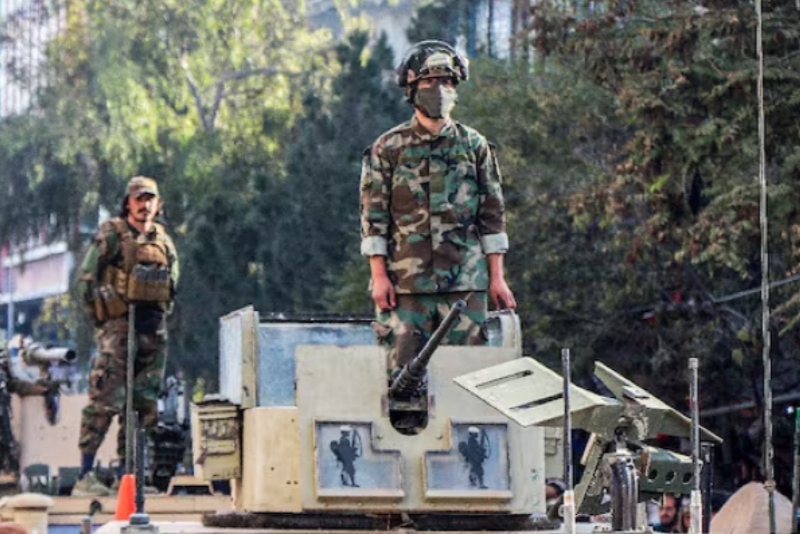
Tensions between Pakistan and Afghanistan surged dramatically overnight, with Islamabad declaring a state of “open war” following a fresh wave of cross-border strikes between the two neighboring countries.
Pakistan’s Defence Minister Khawaja Muhammad Asif said on Friday that Islamabad’s “patience has run out,” describing the situation as an open conflict after Afghan forces reportedly targeted Pakistani military positions along the border late Thursday.
Operation ‘Ghazab lil-Haq’ and Retaliatory Strikes
Pakistan confirmed launching what it called “Operation Ghazab lil-Haq” in response to what officials described as unprovoked attacks from across the frontier. According to Pakistan’s military spokesperson, Lt. Gen. Ahmed Sharif Chaudhry, air and ground operations targeted multiple military installations in Kabul, Kandahar and Paktika.
Afghanistan’s Taliban-led government acknowledged that strikes occurred but disputed Pakistan’s claims regarding the scale of damage and casualties. Taliban spokesperson Zabihullah Mujahid said Afghan forces had launched what he described as a “retaliatory operation” and accused Pakistan of escalating the crisis.
Both sides have issued sharply differing casualty figures, which could not be independently verified. Pakistan claimed that hundreds of Afghan fighters were killed or wounded, while Afghan authorities reported significantly lower losses and alleged that dozens of Pakistani soldiers were killed or captured. Officials on both sides also confirmed military casualties within their own ranks.
Fighting Along the Border
Clashes were reported near key border crossings, including Torkham, with exchanges of artillery fire and drone activity. Pakistani authorities said their air defense systems intercepted several drones over northwestern cities including Abbottabad, Swabi and Nowshera. There were no confirmed civilian casualties in those incidents.
Afghan officials in eastern provinces reported mortar fire in civilian areas near the border, including locations hosting displaced families. Independent confirmation of those reports was not immediately available.
The mountainous border between the two countries stretches approximately 2,600 kilometers and has long been a flashpoint for tensions, with both sides accusing each other of harboring armed groups.
Diplomatic Fallout and Global Reaction
The escalation follows months of strain despite a fragile ceasefire reached in October. Previous rounds of talks failed to secure a lasting settlement, with each side blaming the other for undermining negotiations.
International actors have urged restraint. The United Nations called for protection of civilians and a diplomatic solution. Regional powers including Turkey, Saudi Arabia and Iran engaged in urgent diplomatic outreach, while China and the United Kingdom called for de-escalation.
Pakistan has repeatedly accused the Afghan Taliban government of supporting the Tehrik-i-Taliban Pakistan (TTP) and other militant groups operating inside Pakistani territory — an allegation Kabul denies. Afghan officials maintain that Pakistan’s internal security challenges are domestic matters.
Refugee Concerns
The latest violence has raised concerns about the safety of civilians and refugees living along the border. Pakistani authorities said some Afghan nationals in sensitive areas had been relocated as a precautionary measure. The conflict also comes amid ongoing repatriation efforts that have seen millions of Afghans return from Pakistan in recent years.
Political Backing at Home
Pakistan’s political leadership, including President Asif Ali Zardari and Prime Minister Shehbaz Sharif, expressed support for the country’s armed forces, emphasizing national security and territorial integrity.
In Kabul, Taliban officials reiterated their willingness to pursue dialogue but insisted that Afghanistan would respond to what they described as aggression.
Situation Remains Fluid
As of Friday evening, both militaries remained on high alert. With conflicting claims and ongoing military activity, the situation remains volatile, raising fears of broader instability in the region unless diplomatic efforts succeed in calming tensions.
Further developments are expected as both governments assess the fallout from the latest exchanges.
🔗 Read more
https://theimpartial24.blogspot.com/2026/02/pakafghan-open-war-more-than-330.html