
Oil Prices Surge Past $100 as Iran Tensions Shake Global Energy Markets
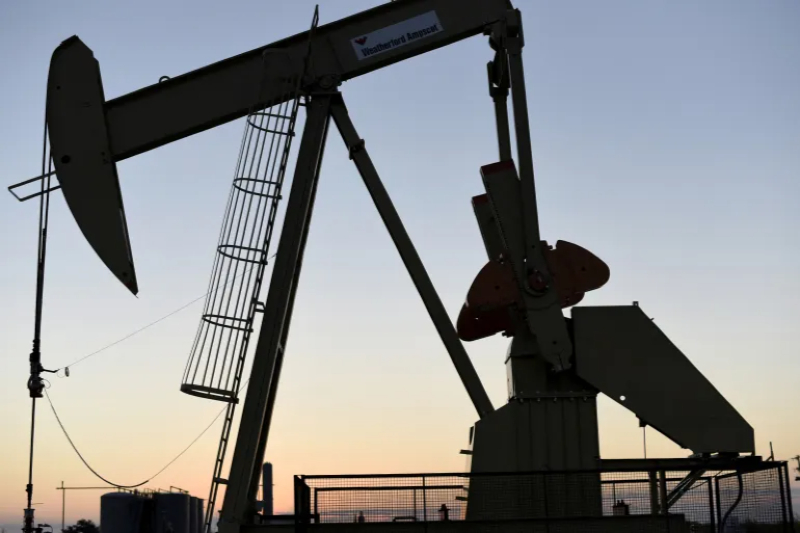
Global oil prices jumped above $100 per barrel on Thursday as investors remained concerned about supply disruptions linked to escalating tensions involving Iran. The benchmark Brent crude oil climbed sharply during Asian trading despite a coordinated move by members of the International Energy Agency (IEA) to release a record amount of oil from emergency reserves.
All 32 IEA member countries agreed to release about 400 million barrels in an attempt to stabilize the market and ease fears of shortages. The decision marks the largest coordinated release of strategic reserves in the agency’s history.
Strait of Hormuz Threat Raises Supply Concerns
The surge in prices comes amid warnings from officials linked to Islamic Revolutionary Guard Corps (IRGC), who said vessels associated with the United States, Israel, or their allies could become targets in the Strait of Hormuz. The narrow waterway is one of the most critical energy routes in the world, carrying roughly one-fifth of global oil shipments.
Iranian officials suggested that attempts to lower prices artificially would not succeed and warned that oil could climb as high as $200 per barrel if regional security deteriorates further.
Countries Brace for Economic Impact
The volatility in energy markets began after airstrikes by United States and Israel on Iranian targets in late February, triggering fears of a prolonged conflict. Oil prices briefly approached $120 per barrel earlier this week.
Rising crude prices have already begun affecting consumers worldwide. In the U.S., average gasoline prices moved above $3.50 per gallon, while several Asian economies that rely heavily on Middle Eastern oil are experiencing fuel shortages and panic buying.
Asian Governments Introduce Energy-Saving Measures
Countries across Asia are responding with emergency measures to reduce fuel consumption. Authorities in Thailand have encouraged government staff to work remotely and limit non-essential travel. Meanwhile, Philippines officials have introduced a four-day workweek for public employees to reduce transportation and energy use.
Energy analysts say the IEA’s reserve release may provide only temporary relief. Market confidence will likely remain fragile as long as shipping through the Strait of Hormuz faces potential threats.