
Middle East Conflict Escalates as Israel and Hezbollah Exchange Fire Following Strikes on Iran
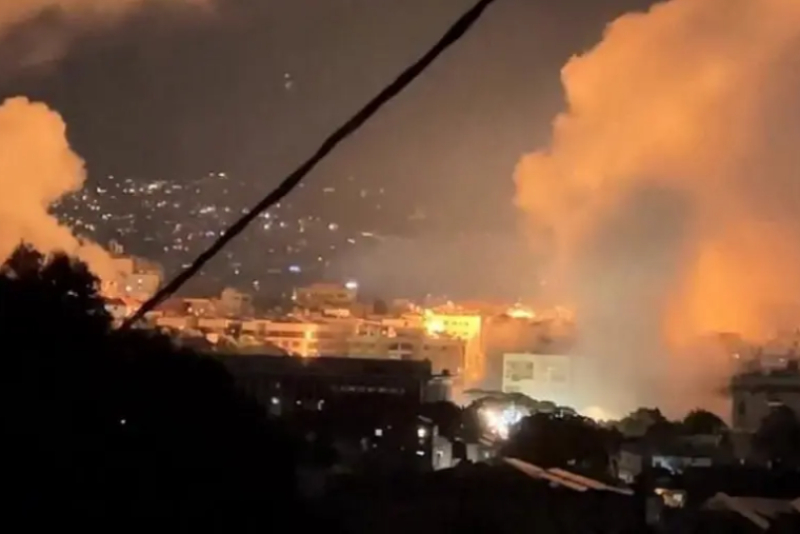
The conflict in the Middle East has intensified significantly as Israel and the Iran-backed militant group Hezbollah launched a series of cross-border strikes, marking a dangerous expansion of the ongoing military campaign against Iran.
Early Monday morning, the Israel Defense Forces (IDF) initiated a heavy wave of airstrikes targeting Hezbollah infrastructure across Lebanon, including weapons storage facilities.
The escalation follows rocket fire from southern Lebanon into Israeli territory.
Rising American Casualties
The human cost of the conflict is mounting. U.S. Central Command confirmed on Monday that three American service members have been killed and five others seriously wounded in action.
From Mar-a-Lago, President Donald Trump addressed the nation via video, acknowledging the losses but warning that "there will likely be more" casualties as the campaign, dubbed Operation Epic Fury, continues.
Regional Contagion
The violence is no longer contained to the primary combatants, with reports of explosions and strikes spreading across the Gulf and Mediterranean:
Cyprus: The British Ministry of Defence is investigating a "suspected drone strike" against the RAF Akrotiri airbase.
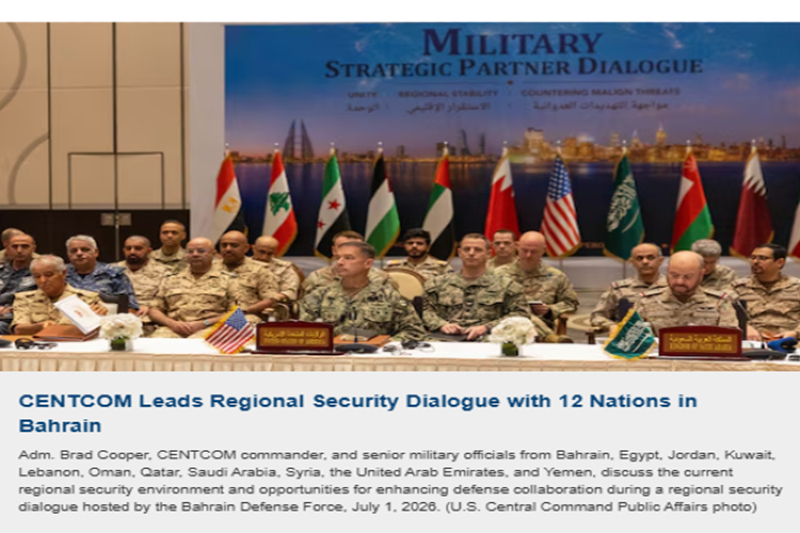
While no casualties were reported, non-essential personnel are being temporarily dispersed as a precaution. The Gulf: Unconfirmed reports of explosions have emerged from Doha, Dubai, and Bahrain, as airspace across the region remains largely closed to civilian traffic.
Israel & Iran: At least nine people were killed in the Israeli city of Beit Shemesh following Iranian missile strikes.
Meanwhile, Tehran reported that 153 people died after a strike hit a girls' school, an event Iranian President Masoud Pezeshkian labeled a "barbaric act."
Diplomatic and Economic Fallout
The geopolitical ripples are being felt globally. On the diplomatic front, Iran’s security chief, Ali Larijani, dismissed rumors of back-channel communications, explicitly stating that Tehran "will not negotiate with the United States" at this time.
In London, Prime Minister Sir Keir Starmer clarified the UK's position, stating that while the U.S. is permitted to use British bases for defensive maneuvers, the UK will not participate in offensive operations for the time being.
As markets opened in Asia on Monday, global oil prices surged, reflecting investor anxiety over the stability of the world's primary energy-exporting corridor.