Israel and Lebanon Launch Historic Direct Negotiations in Washington
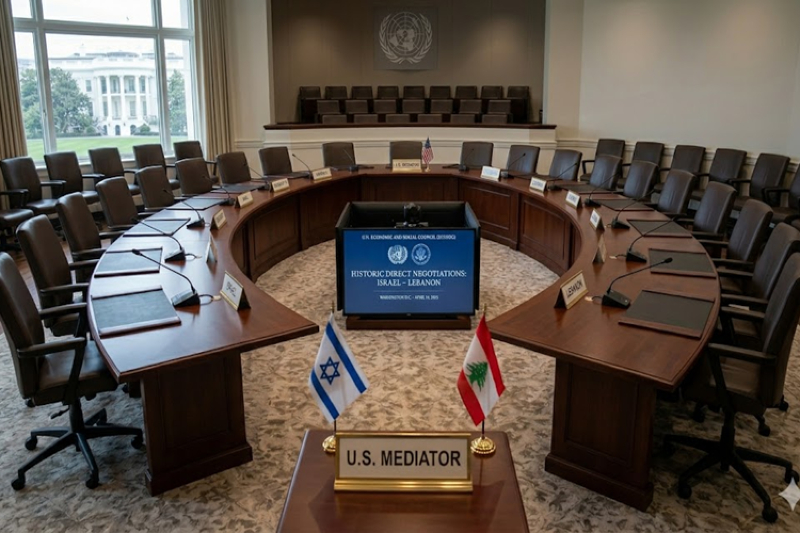
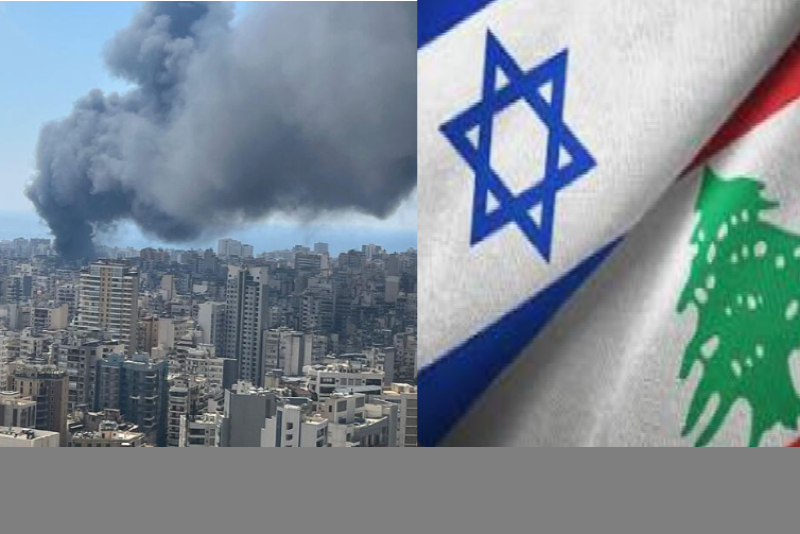
WASHINGTON, D.C. — In a landmark diplomatic breakthrough, representatives from Israel and Lebanon held their first direct high-level talks in over 30 years on Tuesday. Mediated by the United States, the encounter marks a significant attempt to decouple the Lebanese state from the influence of the Iran-backed militant group, Hezbollah.
The meeting, held at the U.S. State Department, is the first of its kind since 1993. U.S. Secretary of State Marco Rubio described the gathering as a "historic opportunity" to reshape the security landscape of the Middle East and diminish the sway of non-state actors in the region.
A Quest for Sovereignty and Security
According to a statement released by the State Department, both nations have agreed to establish a framework for ongoing direct negotiations. The primary objectives of the two parties, however, highlight the complexity of the conflict:
The Israeli Position: Jerusalem insisted that any lasting peace must include the complete disarmament of all non-state "terror groups"—a direct reference to Hezbollah.
The Lebanese Position: Lebanese President Joseph Aoun expressed hope that the talks would alleviate the humanitarian crisis in Southern Lebanon. He asserted that the "only solution" is for the Lebanese Armed Forces (LAF) to take sole responsibility for national security.
Escalating Conflict on the Ground
The diplomatic progress in Washington stands in stark contrast to the violence in the region. Since Israeli military operations in Lebanon intensified on March 2, more than 2,000 people have been killed and approximately one million have been displaced.
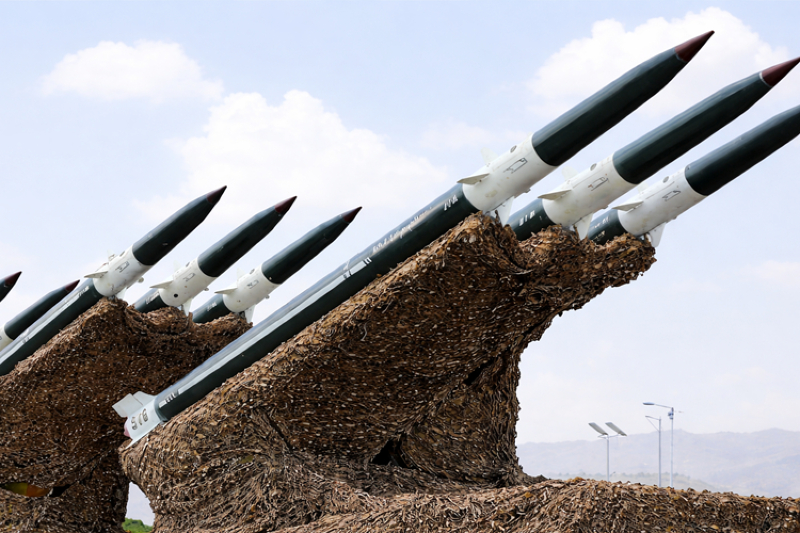
Even as the delegations met, Hezbollah claimed responsibility for at least 24 attacks targeting Israeli troops and northern communities. Drone and rocket sirens remained active throughout much of Northern Israel on Tuesday, underscoring the group's continued capability to strike despite weeks of heavy Israeli bombardment.
The "Iran Factor" and Internal Strains
The talks follow the recent collapse of high-level U.S.-Iran negotiations in Islamabad. While Tehran has demanded that Lebanon be included in any general ceasefire agreement, both the U.S. and Israel have rejected that linkage, choosing instead to treat the Lebanon border as a separate theater of conflict.
Hezbollah officials have already signaled their defiance. Wafiq Safa, a senior member of the group’s political council, told the AP that the organization would not be bound by any agreements reached in Washington.
What’s Next for the Peace Process?
Secretary Rubio cautioned that the path to peace is a "process" that will require time. While the Lebanese government faces significant internal pressure and limited capacity to confront Hezbollah directly, the agreement to continue talks represents a rare moment of diplomatic alignment between the two neighbors.
As the April 21 regional ceasefire deadline approaches, the international community is watching closely to see if Lebanon can successfully reassert its sovereignty or if the influence of its "fifth-string" proxies will continue to dictate the terms of engagement.