
IRGC Seizes Two Vessels in Strait of Hormuz Amid Crumbling Ceasefire
TEHRAN — Tensions in the Middle East reached a fever pitch on Wednesday as Iran’s Islamic Revolutionary Guard Corps (IRGC) attacked three commercial vessels in the Strait of Hormuz, successfully seizing two. The escalation comes despite an announcement from U.S. President Donald Trump that he would extend a fragile ceasefire.
Maritime Hostilities
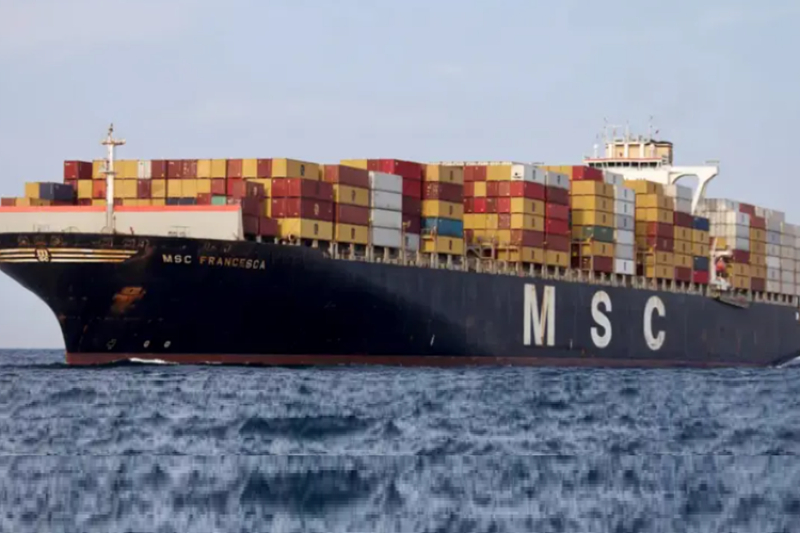
The IRGC Navy confirmed it has taken control of the MSC Francesca and the Epaminondas, escorting both to the Iranian coast for what it termed "inspection of cargo and documents."
Iranian state media accused the ships of "operating without authorization" and attempting to transit the strategic waterway in secret while tampering with their navigation systems.
The attacks unfolded in rapid succession on Wednesday morning:
The Epaminondas: An IRGC gunboat reportedly opened fire on this Greek-owned container ship 15 nautical miles northeast of Oman, causing "heavy damage" to the vessel's bridge.
The MSC Francesca: This Panama-flagged ship was intercepted six nautical miles off the Iranian coast. Reports indicate damage to the hull and crew accommodation areas.
The Euphoria: A UAE-owned vessel was also targeted by gunfire but did not suffer major damage. Iranian sources claim the ship has since run aground.
A "Ploy to Buy Time"
The maritime strikes follow a confusing 24 hours of diplomacy. Late Tuesday, President Trump announced he would extend the current ceasefire at the request of Pakistan. However, he emphasized that a U.S. naval blockade of Iranian ports—which reportedly costs Tehran $500 million daily—would remain in place until a "unified proposal" for peace is presented.
The gesture has been flatly rejected by officials in Tehran. Mahdi Mohammadi, an adviser to Iran’s parliamentary speaker, dismissed the ceasefire extension as "nothing" and a "ploy to buy time for a surprise strike." He argued that the ongoing U.S. blockade is equivalent to a military bombardment and urged a "military response."
Peace Talks in Jeopardy
The prospects for a diplomatic resolution in Islamabad appear to be dimming. The White House confirmed that Vice President JD Vance’s scheduled trip to Pakistan for a second round of negotiations has been canceled.
Iranian Foreign Ministry spokesman Esmail Baghaei told the BBC that Tehran has yet to decide if it will attend further talks, citing a "lack of seriousness" and "threats of war crimes" from the U.S. administration.
Global Economic Fallout
The instability in the world's most vital oil transit point is already being felt globally. In the United Kingdom, Chancellor Rachel Reeves noted that rising fuel prices contributed to an inflation jump to 3.3% in March.
Security analysts warn that the Strait of Hormuz is now "too dangerous for all but a trickle of traffic," marking the most severe crisis in the Persian Gulf since the 1990 invasion of Kuwait. With both sides dug in, the risk of the current "limbo" igniting into a full-scale regional conflict remains at an all-time high.