
Iran Threatens Gulf Energy Sites as Trump Sets 48-Hour Hormuz Deadline
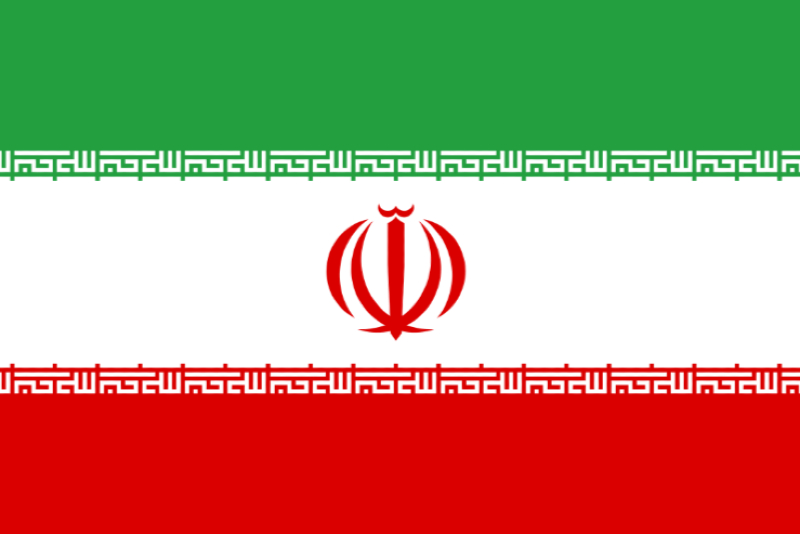
Tensions in the Middle East have escalated sharply after Iran warned it could target energy infrastructure linked to the United States across the Gulf region.
The threat follows a stern ultimatum from Donald Trump, who said American forces would strike Iranian power plants if the Strait of Hormuz is not fully reopened within 48 hours.
Iran’s parliamentary speaker, Mohammad-Bagher Ghalibaf, stated that any attack on Iran’s energy facilities would trigger an “irreversible” response. He warned that oil and energy installations throughout the Middle East could become legitimate targets, raising fears of a prolonged disruption to global energy markets.
The Strait of Hormuz, a critical passage for nearly one-fifth of the world’s oil supply, has become a central flashpoint. Iran has indicated that only vessels not linked to its adversaries may pass safely, effectively tightening control over the strategic waterway.
Missile Strikes and Rising Casualties
The conflict intensified overnight as Israeli forces launched fresh strikes on Tehran, prompting Iran to retaliate with missile attacks on southern Israel. More than 160 people were reported injured in the towns of Arad and Dimona, areas located near a sensitive nuclear facility. Emergency responders described significant destruction to residential buildings, with several narrowly avoiding direct hits.
Officials said the intended target of the Iranian strike appeared to be a nuclear site roughly 13 kilometers from Dimona. However, international monitors reported no signs of radiation leakage following the attack.
Regional Spillover and Interceptions
The crisis is increasingly spilling across the Gulf. Both Saudi Arabia and United Arab Emirates confirmed they had intercepted incoming missiles, while maritime authorities reported an explosion near a cargo vessel off the UAE coast.
Iran has also reportedly targeted a joint US-UK military base on Diego Garcia, though the missiles were either intercepted or failed to reach their destination.
Civilian Anxiety and Infrastructure Fears
Inside Iran, civilians are expressing growing alarm over the possibility of strikes on critical infrastructure. Residents told international media that damage to electricity systems could have devastating consequences for daily life and the country’s stability.
The situation is further complicated by a prolonged nationwide internet blackout, now stretching beyond three weeks, making communication within the country increasingly difficult.
Global Stakes and Uncertain Path Ahead
The standoff highlights the high stakes for global energy security and regional stability. Gulf nations, heavily reliant on oil exports, now face the dual challenge of protecting infrastructure while avoiding deeper involvement in the conflict.
With both sides exchanging threats and military actions continuing, the next 48 hours could prove निर्णتive in determining whether the crisis moves toward escalation or a fragile de-escalation through diplomacy.