
Defiant First Message: Iran’s New Supreme Leader Mojtaba Khamenei Warns US to Close Regional Bases or Face Attack
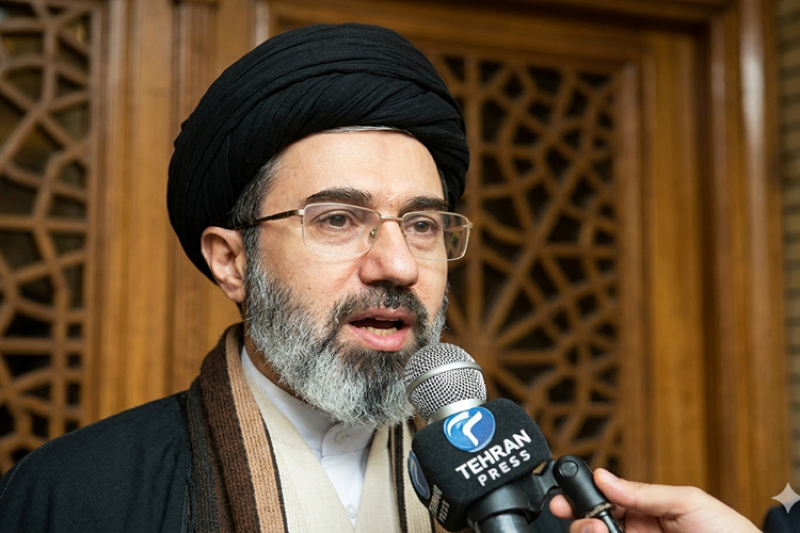
Iran’s newly appointed Supreme Leader, Mojtaba Khamenei, has delivered his first public message since assuming the country’s highest authority, issuing a strong warning to the United States and its regional allies while pledging that Iran will continue its resistance amid the expanding Middle East conflict.
The statement, broadcast by Iranian state media on Thursday, came shortly after the death of his father, Ali Khamenei, who had ruled the Islamic Republic for nearly four decades before being killed during the early phase of the ongoing war involving the United States and Israel.
Leadership Transition After Assassination
The succession marks a historic and controversial moment in Iran’s political system. The country’s powerful clerical body, the Assembly of Experts, reportedly reached a consensus earlier this week to appoint Mojtaba Khamenei as the new Supreme Leader following his father’s assassination in Tehran on February 28.
Ali Khamenei had led Iran for 37 years, shaping the country’s political ideology, foreign policy and military posture since succeeding revolutionary leader Ruhollah Khomeini in 1989. His sudden death created a leadership vacuum during one of the most volatile periods in the region’s recent history.
Warning Over Strait of Hormuz and US Bases
In his statement, Mojtaba Khamenei called for national unity while making it clear that Iran would continue using strategic pressure against its adversaries. He said the vital maritime route of the Strait of Hormuz would remain closed as part of Iran’s strategy to counter Western pressure.
The strait, through which a significant share of the world’s oil shipments passes, has become a focal point of the ongoing crisis. Any disruption there could have serious consequences for global energy markets and international trade.
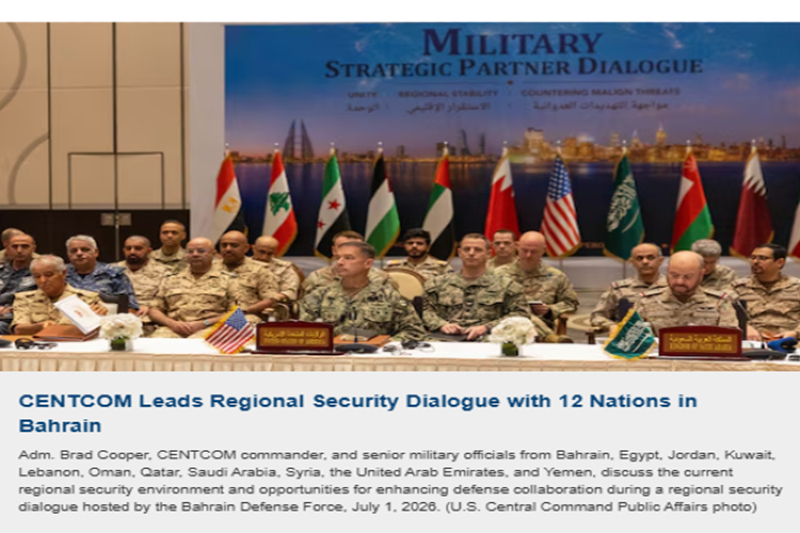
Khamenei also warned that US military installations across the region must shut down immediately or face attacks. He stated that Iranian operations targeting American facilities would continue despite Tehran’s claim that it still seeks peaceful relations with neighbouring countries.
Support From Regional Armed Groups
The new leader indicated that Iran’s regional allies and affiliated armed groups would remain active in the confrontation. He suggested that forces in Yemen were prepared to intensify operations and that armed factions in Iraq were also willing to support what he described as the “Islamic revolution.”
Iran has long maintained relationships with regional groups that operate across the Middle East, forming a network often described by analysts as Tehran’s strategic deterrence against Western and Israeli influence.
Praise for Iranian Military
Khamenei praised Iran’s armed forces for maintaining national cohesion during the ongoing conflict.
He thanked what he described as “brave fighters” defending the country during a time of pressure and external attacks, emphasizing that Iran had not been divided or subdued despite the military strikes it has faced.
The remarks reinforced Tehran’s long-standing narrative of resistance against foreign intervention.
Domestic Divisions Over New Leadership
Despite calls for unity, political observers say Iranian society remains divided over Mojtaba Khamenei’s leadership.
Analysts note that economic hardship, sanctions and recent waves of protests have deepened dissatisfaction among many citizens. Critics argue that the leadership transition may intensify debates about governance, economic reforms and the direction of the Islamic Republic.
Middle East analyst Zeidon Alkinani said the emphasis on military resistance appeared to sidestep pressing domestic issues affecting ordinary Iranians, including economic instability and governance reforms.
Contrasting Signals From Iranian Government
The tone of the new leader’s statement also appeared to differ from comments made by Iran’s president, Masoud Pezeshkian, who earlier suggested that Tehran might consider ending the conflict if certain conditions were met.
This contrast highlights possible differences within Iran’s leadership over how to handle the escalating war with the United States and Israel.
Questions Over Khamenei’s Condition
Adding to the uncertainty, the statement was read on television rather than delivered personally by Mojtaba Khamenei. That has fuelled speculation among analysts and observers that the new leader may have been injured during recent attacks.
Some commentators say the absence of a direct appearance could raise questions about his authority and ability to lead during a period of intense regional conflict.
US Reaction Likely to Be Negative
Experts say the statement is unlikely to satisfy Washington. US President Donald Trump has repeatedly indicated that the United States expects significant political changes inside Iran.
International security scholar Rob Geist Pinfold of King’s College London noted that Khamenei’s remarks signal continuity rather than change in Iran’s strategic approach.
According to Pinfold, the new leader appears to be reinforcing the policies and rhetoric long associated with Iran’s leadership rather than signalling a shift toward reconciliation.
A Region on Edge
Mojtaba Khamenei’s first message as Supreme Leader underscores the intensity of the ongoing confrontation involving Iran, the United States and Israel.
With the strategic Strait of Hormuz under threat and regional armed groups potentially expanding their involvement, analysts warn that the conflict could further destabilize the Middle East in the coming weeks.
The coming days are expected to reveal whether the new leadership in Tehran will escalate the confrontation or seek diplomatic pathways to ease tensions.